Practical anxiety coaching

Anxiety help for people therapy and medication haven’t helped.

I help people who’ve felt stuck for years change the “game of life” their brain is playing, so anxiety stops running the show.

Book a free 25-minute coaching sessionNot ready to talk yet? Understand the method first.

Why doing all the “right” things hasn’t fixed your anxiety

For most people I talk to, the story looks something like this:

  • You did what you were “supposed” to do. You went to therapy. You tried medication. You worked on coping skills and self-care.
  • Maybe some of it helped… a little. But the anxiety, intrusive thoughts, or heaviness kept coming back.
  • At some point, someone hinted it was probably genetic, or “in the family,” or just “how your brain is wired,” and that you’d probably always have it.
  • The best you could hope for was to “manage it” and learn to live around it.

That’s what I call the mental-health glass ceiling:

  1. You’re given a label.
  2. You’re told it’s probably permanent.
  3. You’re told you’ll need support indefinitely.

Labels can feel comforting in the short term (“It’s not my fault. Now I understand.”), but they quietly take away something critical: the belief that you can actually change.

And if you look at the research, it’s normal that therapy and medication haven’t been a complete solution for you:

  • The biology behind mental health is more complicated than a simple “chemical imbalance” explanation. A systematic umbrella review led by researchers at University College London found no consistent evidence that depression is associated with lower serotonin concentration or activity.1
  • Medication can help with anxiety, but expectations and context may also influence how strongly people respond. In one randomized study of people with social anxiety disorder, participants who were correctly told that they were receiving an effective SSRI improved substantially more than participants who received the same medication but were told it was an “active placebo.” Both groups received the same medication.2
  • According to NHS England's June 2026 data, 48.1% of referrals completing a course of NHS Talking Therapies met the service's criteria for reliable recovery.3

I’m not anti-therapy or anti-medication. For some people these methods are exactly what’s needed, and I’m grateful those options exist. But for a lot of people, they simply don’t get down to the source of the problem.

In my own life, I had severe anxiety and depression in my teens. I was suicidal. I was hospitalized. I did the meds, the ink-blot tests, the traditional therapy… and none of it worked for me.

Years later, after a lot of trial and error and obsessing over this problem, I found a way of working with my own mind that actually got rid of the chronic anxiety and depression. And it has stayed gone for nearly two decades.

I don’t pretend I have everything figured out, but after 9 years and over 12,000 coaching hours of helping people dramatically reduce and in many cases fully overcome anxiety, I’ve seen the same patterns repeat in hundreds of people I’ve worked with since. What I eventually saw is that the problem isn’t having a “broken brain.” The problem is always the invisible “game of life” the brain is trying to win. Let me explain.

The Game of Life and the Formula for Happiness

In simple terms, you feel at peace when your current life matches your subconscious rule book—your beliefs about how life “should” be.

It looks something like this:

When your life matches your expectations, you feel okay.
When your life cannot possibly match your expectations, your mind never stops trying to fix it. That ongoing mismatch is what most people experience as anxiety, rumination, or depression.

One way to picture this is to think about a board game like Monopoly. Every game has:

  1. A goal (how you win), and
  2. A set of rules (what you’re allowed and not allowed to do).

If the goal is clear and the rules are fair, you might not win every time, but the game is at least winnable.

Now imagine a version of Monopoly where the rules are written in such a way that you cannot possibly win.

If the rules were written in such a way that the game was truly unwinnable, you would start feeling stressed and anxious.

Sooner or later, you'd want to flip the board and walk away.

Emotionally, that’s what it feels like when you’re living inside an unwinnable game of life: your mind is doing its best to win a game that literally cannot be won by the rules (beliefs) you’ve unintentionally created through your life.

From childhood on, we all build an internal “game of life”:

  1. What we think we have to do or be to be happy—our goals.
  2. What we think we absolutely cannot do or be—our rules.

A lot of this gets shaped by whose love we craved growing up, who we thought we had to be to get that love, and the roles we fell into in our family and culture.

If your game of life is winnable, your mind can rest.
If your game of life is unwinnable, your mind never gets to rest. It's always trying to reach an unreachable goal and abide by impossible rules. Let's look at some examples.

Six patterns that quietly create anxiety

A big part of the “game of life” you play as an adult gets formed in childhood. Two questions I often ask clients are:

  1. Whose love did you crave more growing up—your mother’s or your father’s? (Hint: It's almost always the parent whose love was less available.)
  2. Who did you feel you had to be to earn their love?

Think about what your own answers to those questions would be for a moment, especially if you've had anxiety since childhood.

Here's why those are so important to dealing with the root cause of your anxiety:

As kids, our survival depends on getting love and attention from our caregivers.

Because of that dependence, children become incredibly sensitive to the signals they receive about what brings connection, approval, safety, or disapproval.

Therefore, editing ourselves in order to keep our parents pleased can make sense as a protective strategy in childhood, even when those same patterns make happiness much harder later in life.

In short, we pick up nuanced signals as children that convince us that we must follow a certain rule book and fulfill a particular role in order to receive love and feel safe.

We become incredibly good at picking up the signals about who we’re “allowed” to be and who we’re not allowed to be in order to be safe and accepted.

Over time, that turns into roles we live inside as adults, often without realizing it.

Over the years I’ve noticed the same roles show up again and again in people who struggle with anxiety.
Most people find that the source of their anxiety is described in one of these, or in some combination of a few:
01

The Perfectionist

You might have had a parent who seemed to find a flaw in just about everything you did. So, in an attempt to keep from disappointing them and having them pull love away from you, you developed a protective pattern of seeking out flaws in yourself first before anyone else could find them. Now, you see "flaws" that aren't really there. You rarely feel “good enough” if at all. You set impossibly high standards, and even small mistakes feel like proof that something is wrong with you.

02

The Achiever

You learned early on that you get love and approval only when you achieve or do exceptional things. So you keep chasing the next goal, but the feeling of “enough” never lasts for long because you cannot stand out from the crowd constantly. Rest feels dangerous so you don't allow it for yourself.

03

The Pleaser

You probably had at least one parent with explosive emotions or who expected you to cater to them constantly. To protect yourself from potential danger, your nervous system developed a protective pattern of always scanning: “What does this person think of me? Did I upset them? Are they disappointed?” You feel responsible for everyone else’s feelings and walk on eggshells to keep the peace. You believe people are upset when they are not.

04

The Caretaker

This one is common if your parents expected you to take care of them or your siblings. Now, you feel torn between taking care of yourself and taking care of everyone else which you think is your responsibility. Saying “no” feels selfish. You feel guilty when you even think about putting your own needs first, so you run yourself into the ground. You make yourself responsible for others' protection, safety, or happiness.

05

The Strong One

You were taught to “suck it up” and not show emotion. You’ve become the rock for everyone else, but inside you feel alone, like there’s no space to be vulnerable or ask for help. You never learned how to acknowledge and express negative emotions in a healthy way, so they bottle up.

06

The Controller

Something happened in your life that blindsided you and scared you. Since then, your mind has been trying to protect you by constantly scanning for what could go wrong next. You feel anxious even when you’re technically safe. Your mind has linked uncertainty with danger when they are two separate things.

These patterns are not your fault. But they do shape the game your brain is trying to win.

Why surface-level methods haven’t been enough

Most approaches you’ve tried have focused on the top of the anxiety cycle:

  • Talking about your feelings and past
  • Challenging individual thoughts
  • Learning coping skills to calm down in the moment
  • Taking medication to ease the biochemical fire alarm

Again, those things can help, and I’m not here to take them away from you. But if they never change the source of the cycle, it just keeps coming back.

The Thought Cycle

Step 1 · Roles & rules

Beliefs

What you believe about who you have to be—your subconscious rule book.

Step 2 · Internal response

Emotions

The fear, shame, guilt, or hopelessness that comes from not being able to live up to those expectations.

Step 3 · Protective behavior

Actions

What you do when you feel that way: avoid, overprepare, seek reassurance, stay small, or numb out.

Step 4 · Life consequences

Results

What those actions create in your life, such as pushing people away, avoiding triggers, or saying no to things that would bring happiness.

For example, if the Perfectionist in you believes “I can’t make mistakes,” you’ll feel constant tension and fear of being judged. That leads to overworking, procrastinating, or avoiding new things, which creates a life where you feel stuck and behind – “proving” to your mind that you’re not good enough. The cycle loops.

As long as the same old roles are driving your beliefs and rules, your True Self is not in charge, and your Thought Cycle will keep producing anxiety, no matter how many coping tools you learn on top. That’s why so many people say, “I understand myself better… but I don’t feel better.”

Introducing the Game of Life Rewrite Method

My method is not about giving you more information, or one more coping skill to try when you’re spiraling. The Game of Life Rewrite Method changes the game your brain is playing so it can finally stop sounding the alarm—and helps you step out of the roles that have been quietly running your life.

I don’t claim this is the only way to heal, but it is the way that has consistently helped me and hundreds of my clients who felt like they had tried everything else.

Here’s how we do that together:

1

See the game you’ve been playing

We map out your Game of Life: whose love you craved growing up, who you thought you had to be, the roles you fell into, the goals you’ve been chasing, and the rules you’ve been holding yourself to. Most people have 12-30 anxiety-producing rules that they are completely unaware of. And you can't change something until you become aware of it. Over the course of a 60 to 90-minute session, we help you map them all out on paper in a simple, easy way.

2

Separate your True Self from the roles, and rewrite the rules

We identify the beliefs and rules that make your Game of Life unwinnable and the protective roles that have been trying to run it. Then we help you separate your True Self from those roles and recognize them as parts of you that were trying to protect you—not your True Self. Together, we redesign your internal rules and priorities so there are many ways to “win” instead of almost none. We simplify goals, resolve values conflicts, and replace rigid rules with healthier, more humane ones so your True Self is back in charge.

3

Condition the new way of being until your nervous system is automatically conditioned

We don’t stop at insight. Session by session, we walk through real situations in your life and notice in real time when an old role tries to grab the wheel again. We practice responding from your True Self, with the new rules, until your brain stops defaulting to the old anxious pattern and starts responding from the new Game of Life instead. Just like any other skill you've ever mastered, it eventually becomes automatic and effortless. This is why the process takes a few months—so that we can make sure the change actually lasts.

When the Game of Life changes and the roles are put back in their proper place, the Thought Cycle changes too—and your True Self is back in charge.

Will this work for you?

Let me be very honest with you. This powerful approach isn’t for everyone.

This is usually a good fit if…

  • You’ve tried therapy, medication, or standard coping tools and still feel stuck.
  • You’re willing to look honestly at your own patterns and beliefs.
  • You can and will set aside a few hours per week to work on this between sessions.
  • You want to address the root of your anxiety, not just manage symptoms forever.

It’s probably not the right fit if…

  • You want a passive solution that doesn’t require effort.
  • You’re not in a place to follow through on assignments or try new behaviors.
  • You’re in immediate crisis and need emergency or inpatient care.
  • You’re mainly looking for someone to vent to, without making changes.

So what’s the catch?

The catch is: this doesn’t work for everyone. It works for people who are ready to be coached, show up consistently, and take small, baby steps each week that will sometimes challenge you. We have never had a client who has not gotten great results so long as those three requirements are met.

When they're not in place, this isn't the right approach. When it becomes clear early that the fit isn’t right, I end the relationship quickly, refund where appropriate, and help them find something that suits them better.

For the people who do meet the commitments we agree on, I feel comfortable standing behind this process with a clear, behavior-based guarantee: if you don't feel satisfied that your anxiety has been reduced by at least 75% in terms of severity within 90 days of using our method, then I continue to work with you one on one for free so long as you are abiding by those three simple expectations.

The vast majority of clients graduate within 90 days or less, having dramatically reduced or fully eliminated their anxiety. About 15–20% require an additional few weeks of support to ensure that they have mastered the method and are ready to proceed confidently on their own.

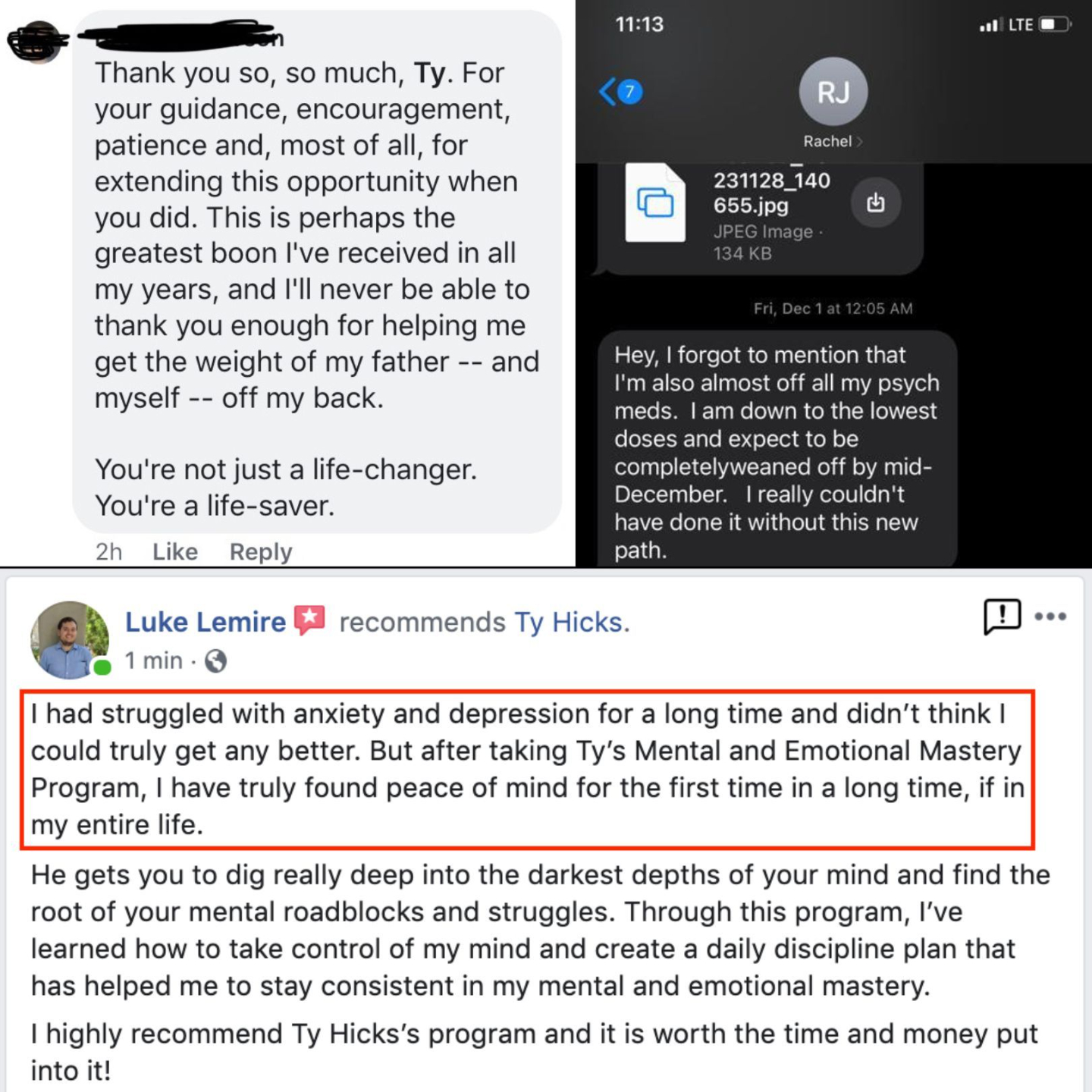
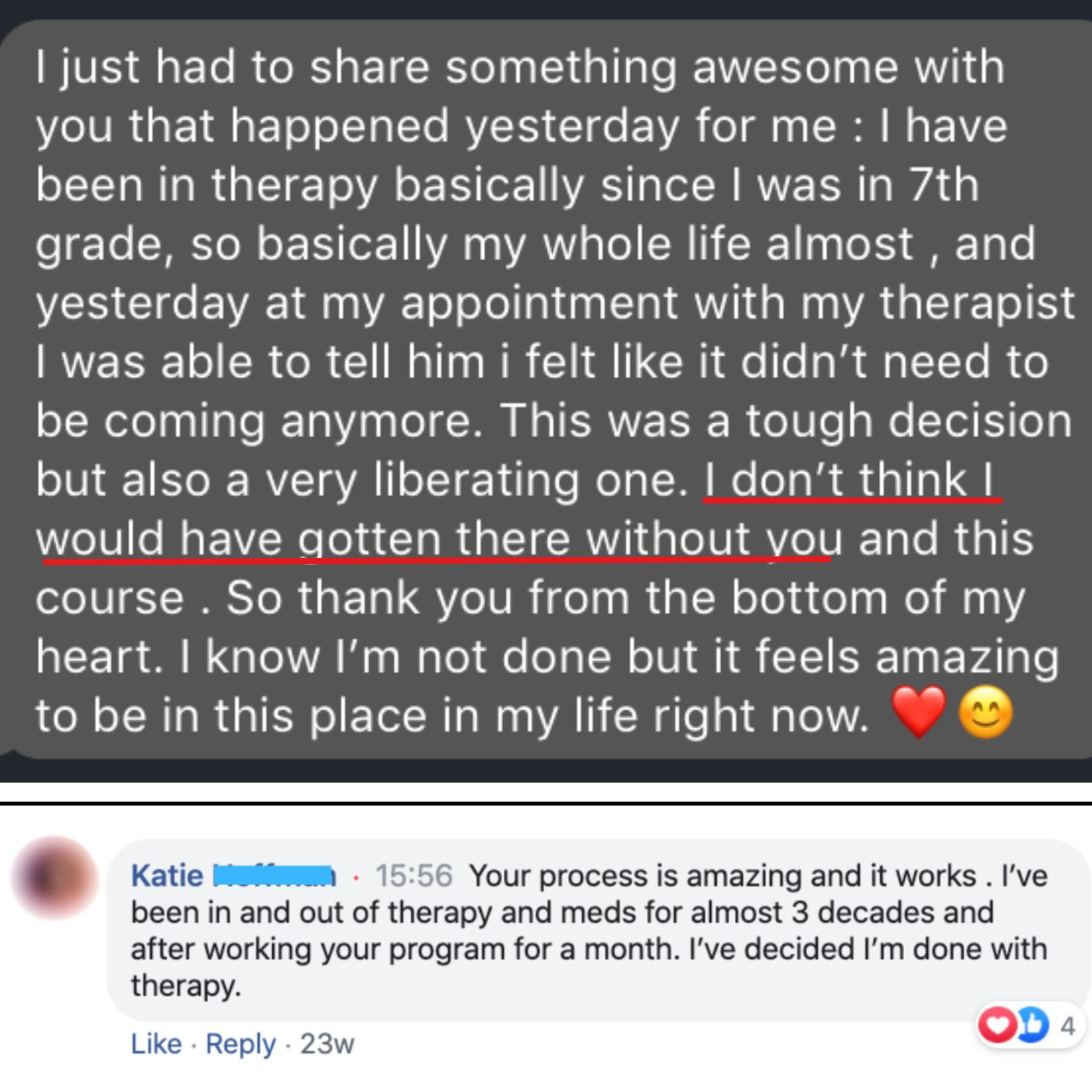
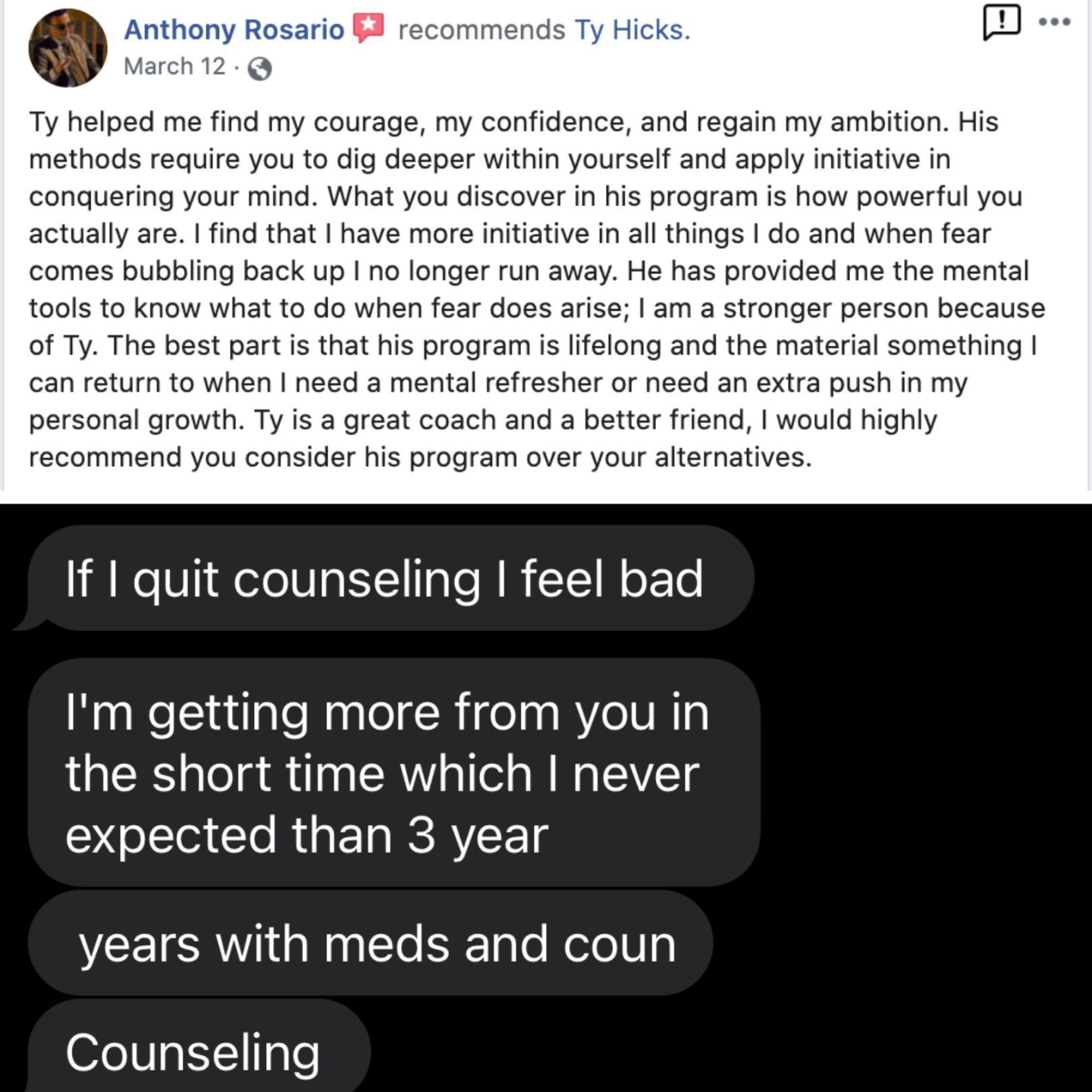
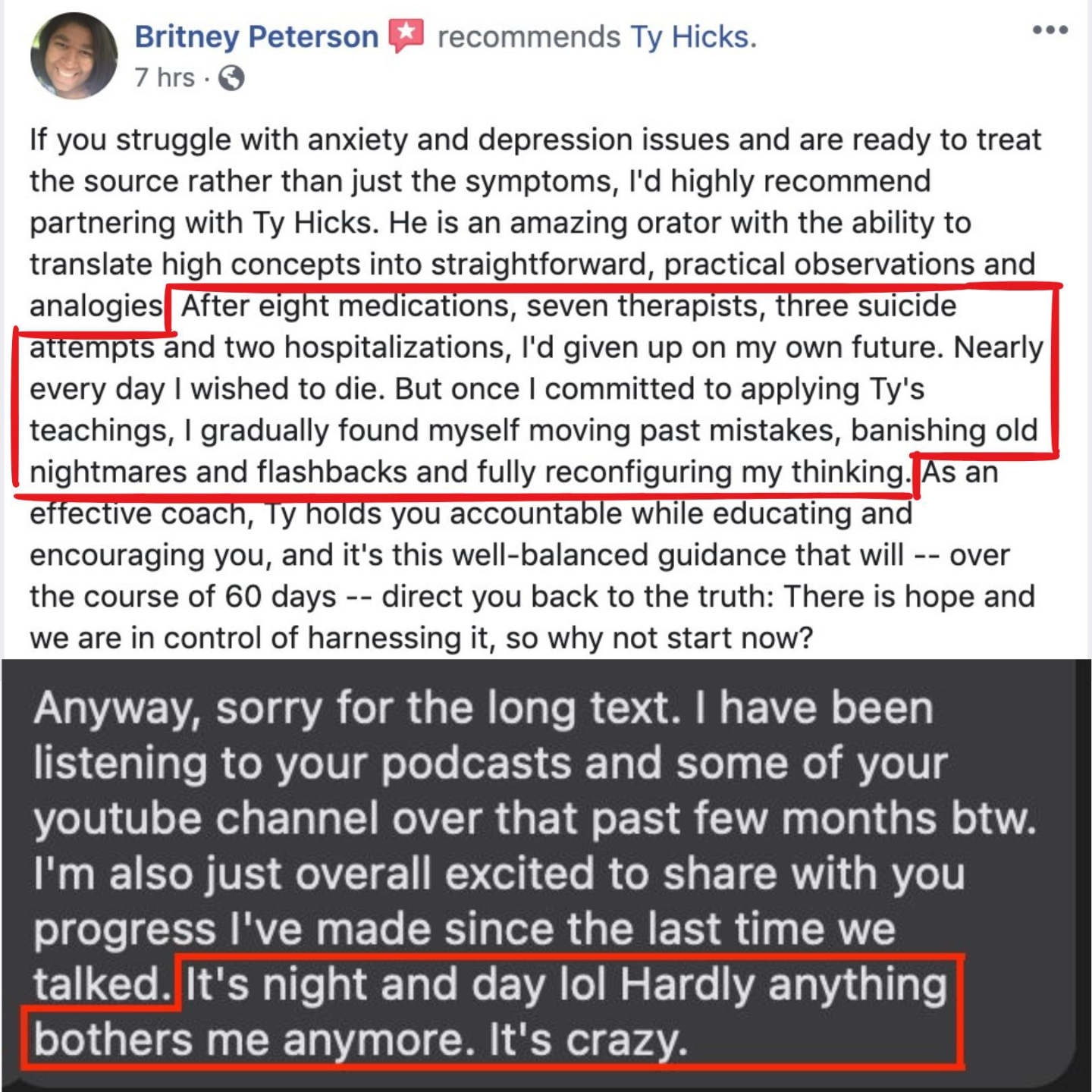
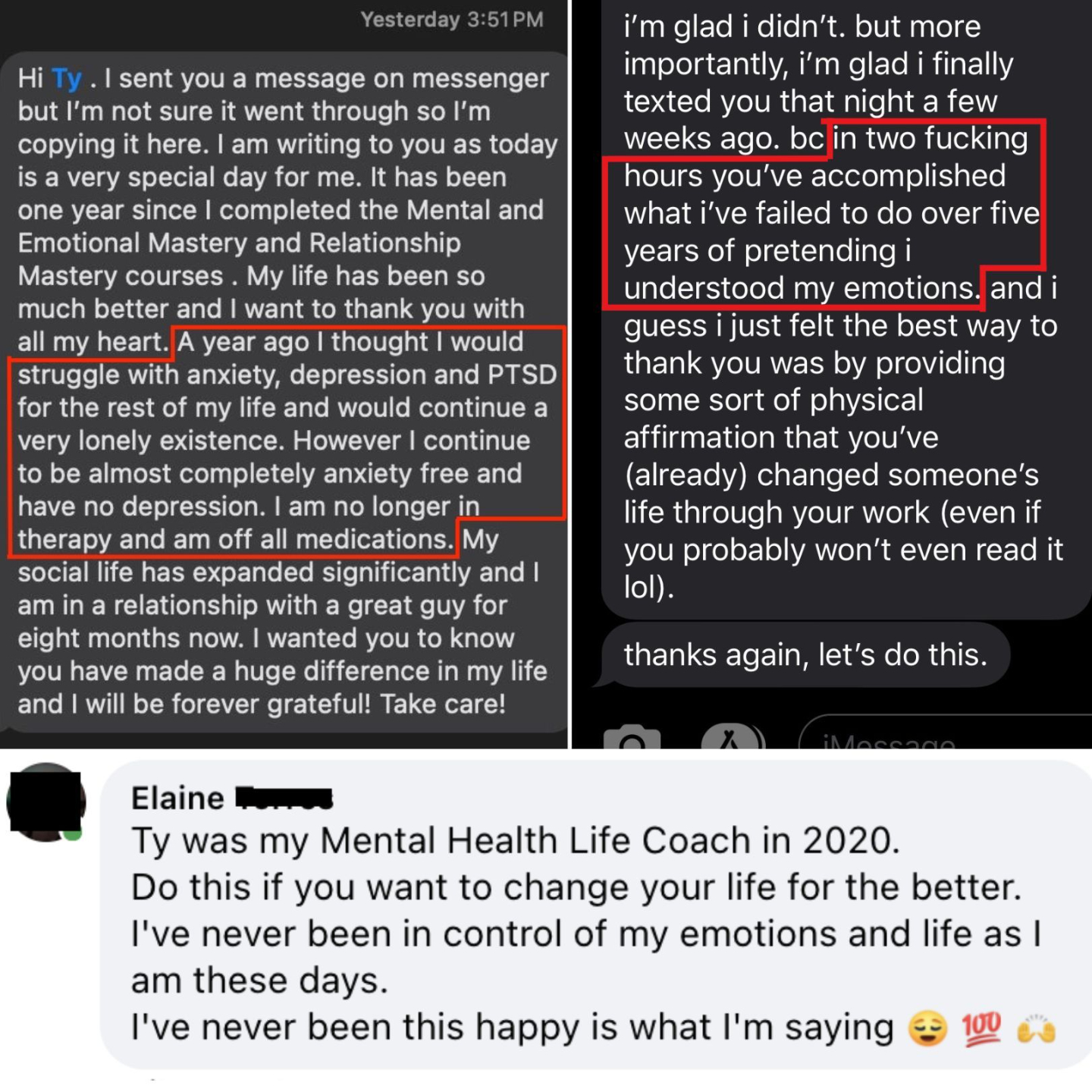
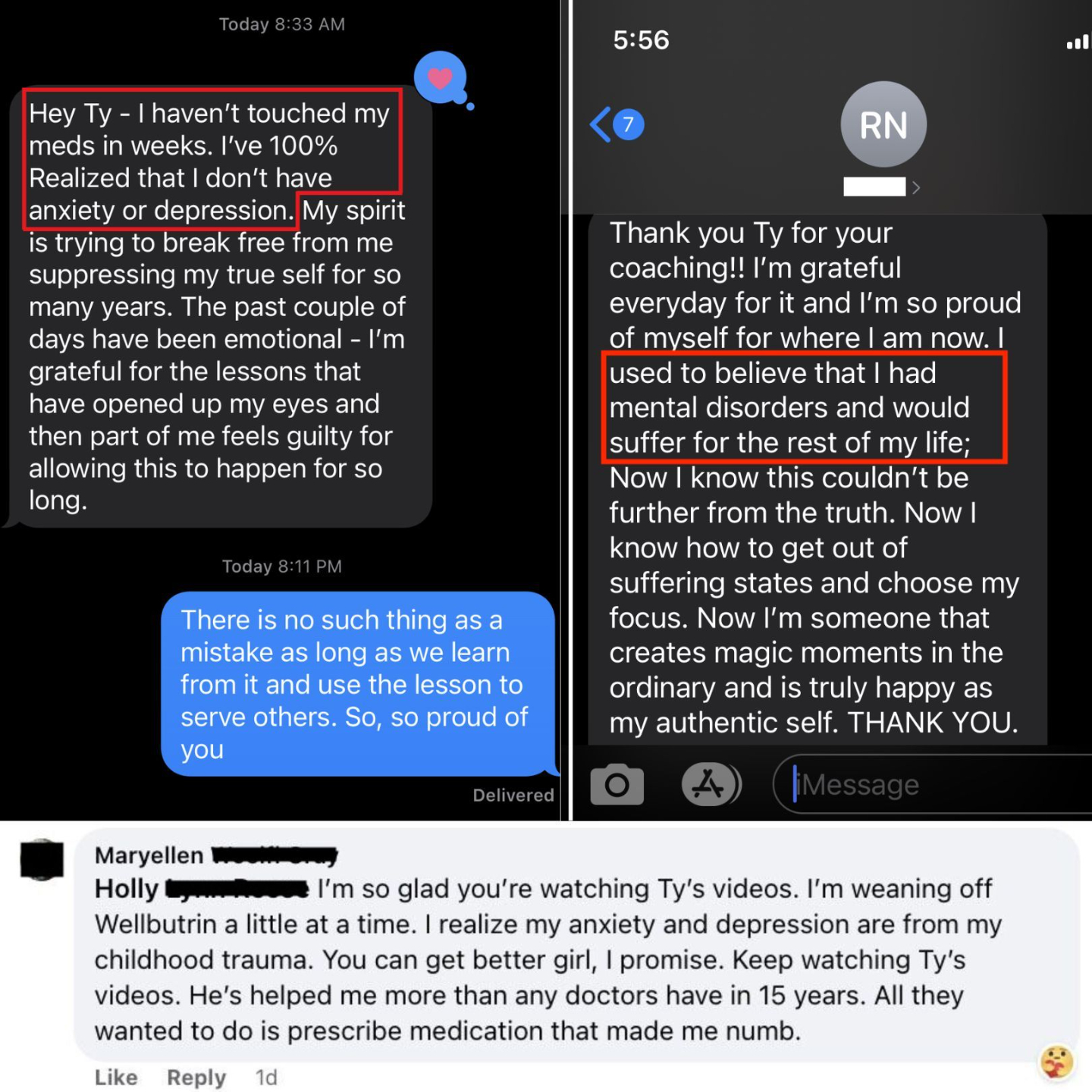
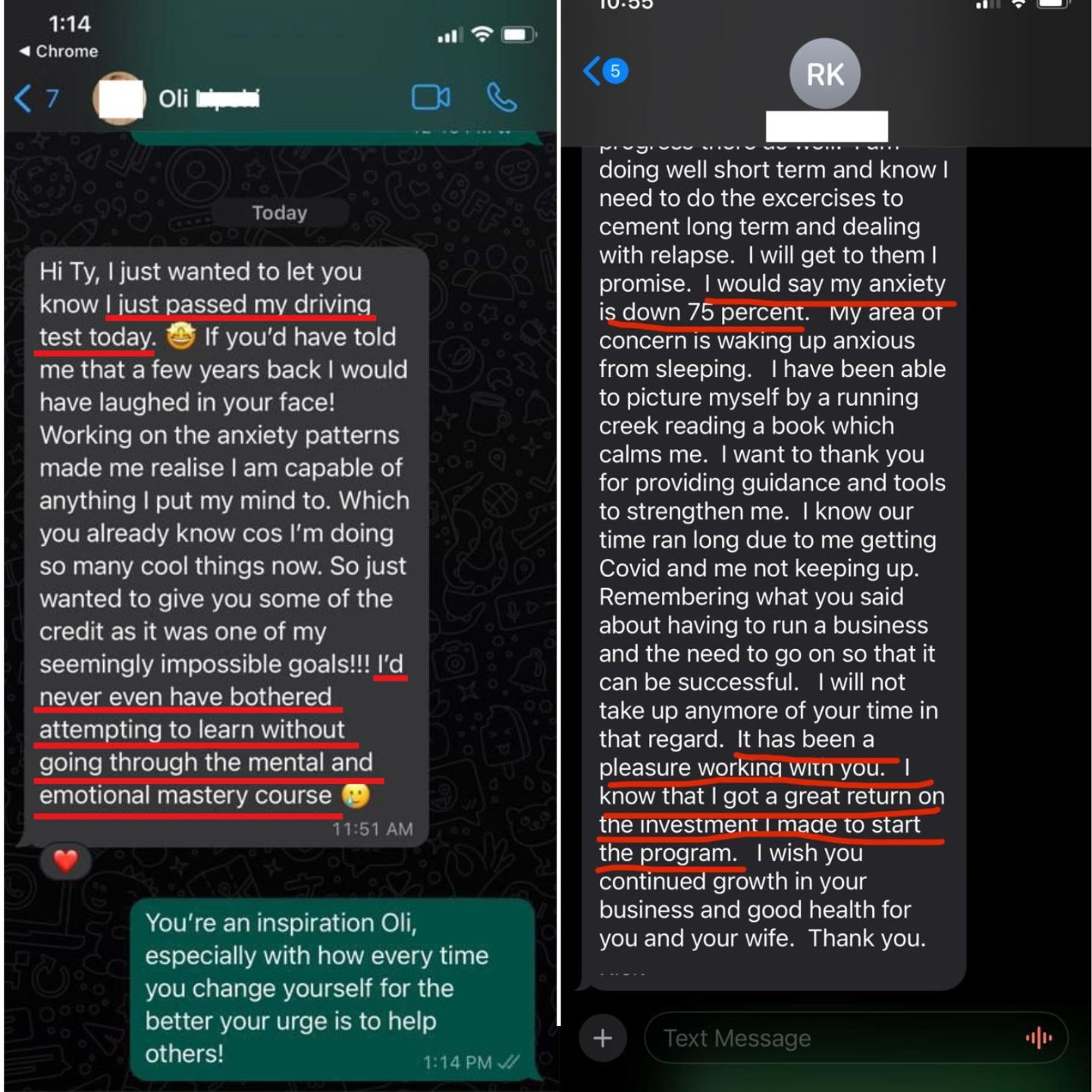
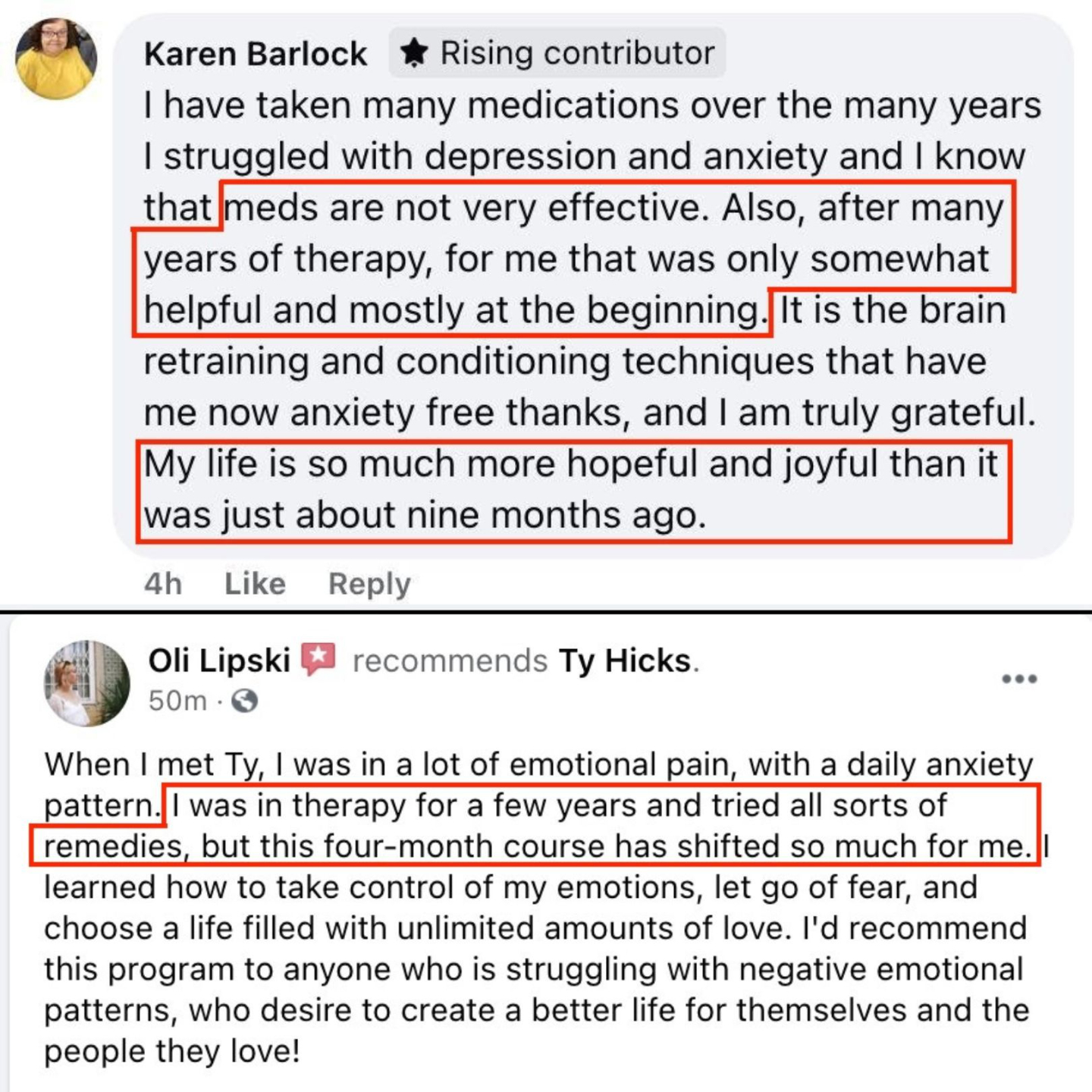
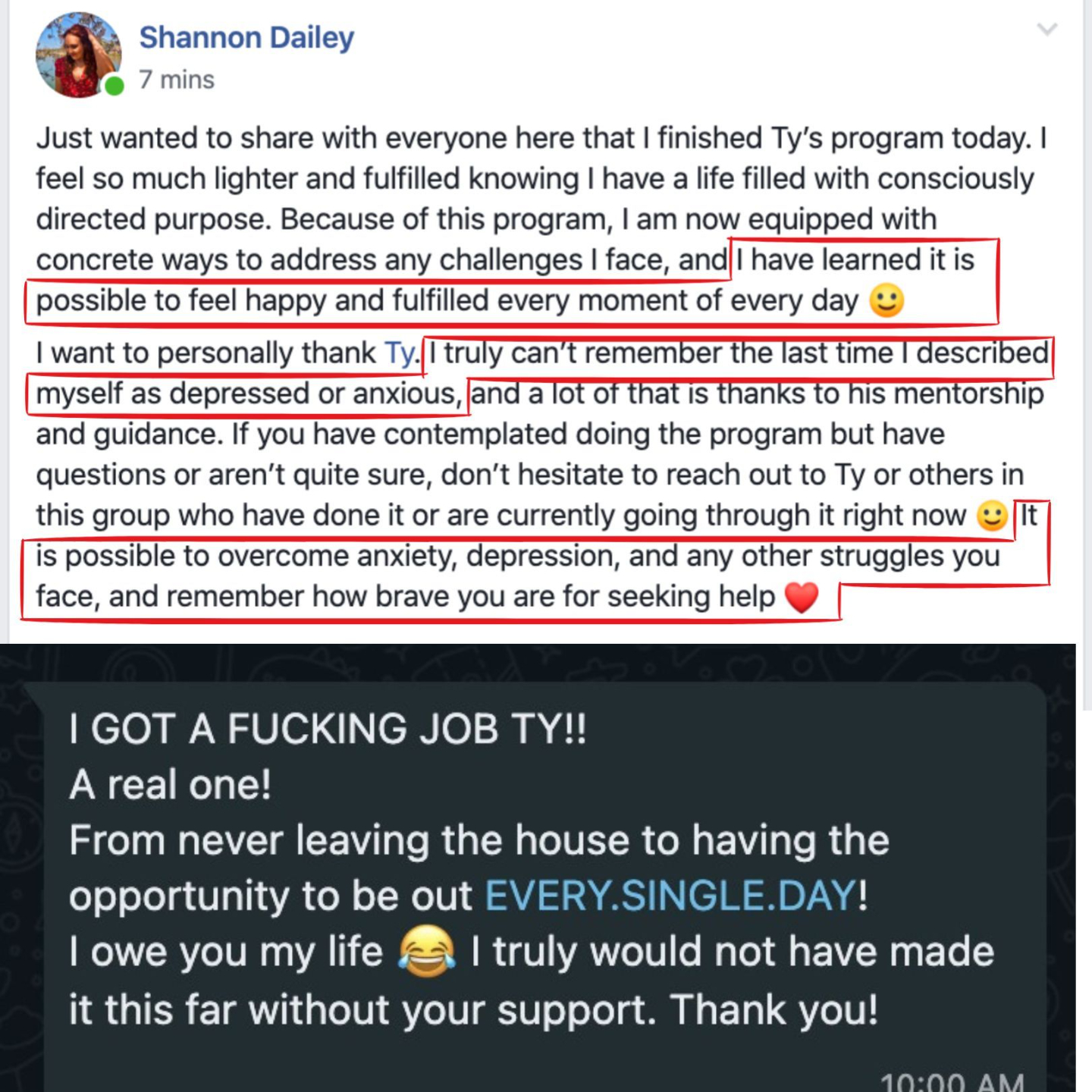
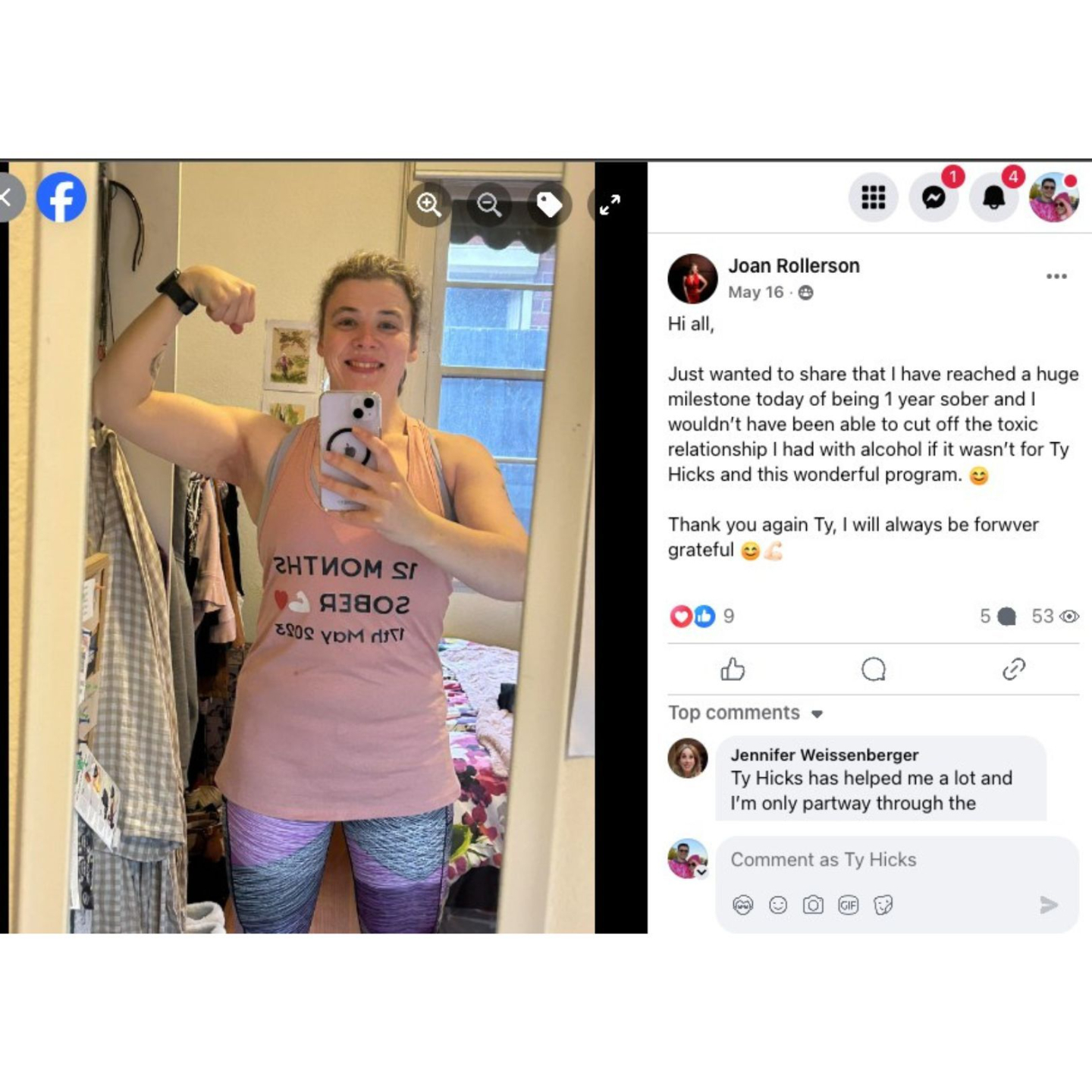
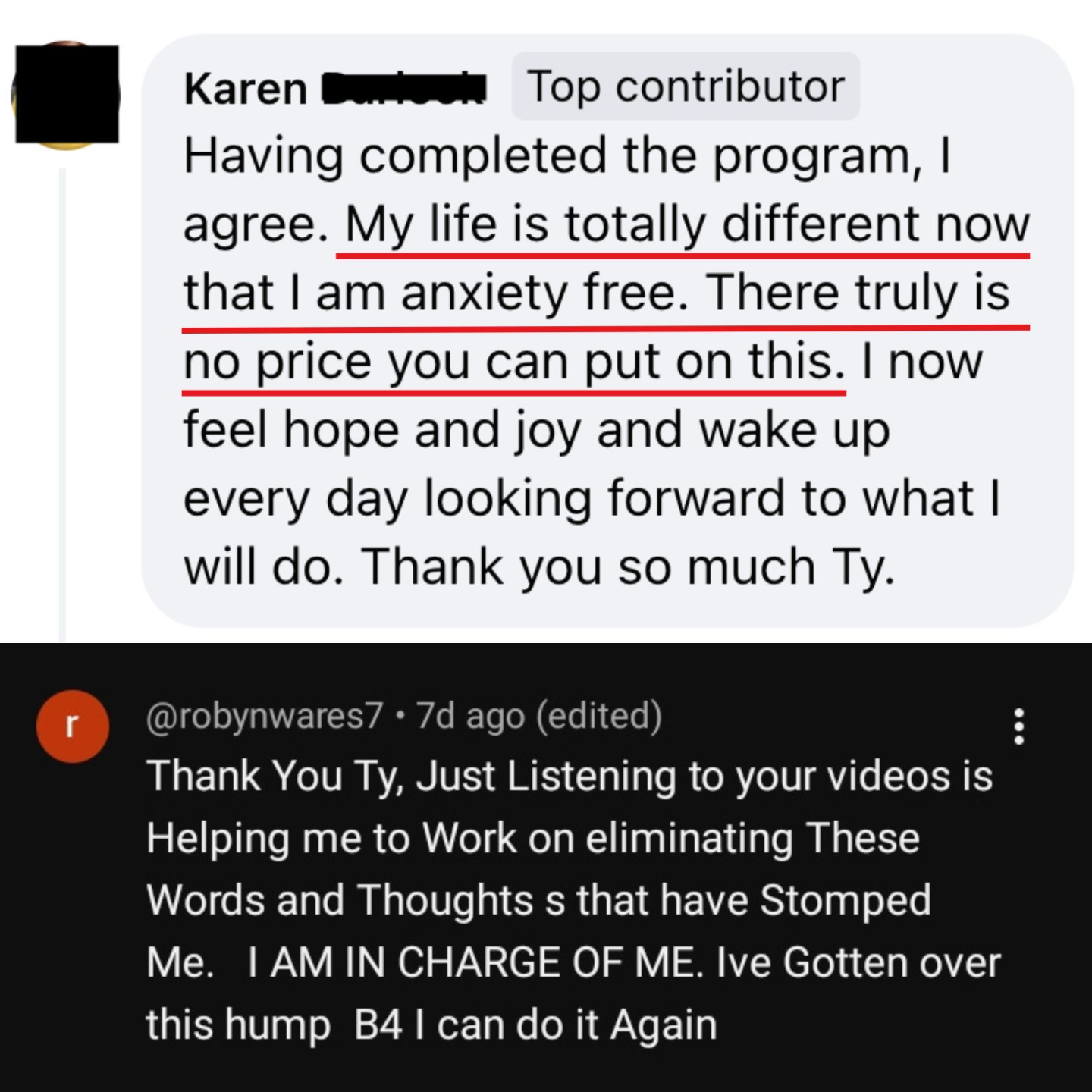
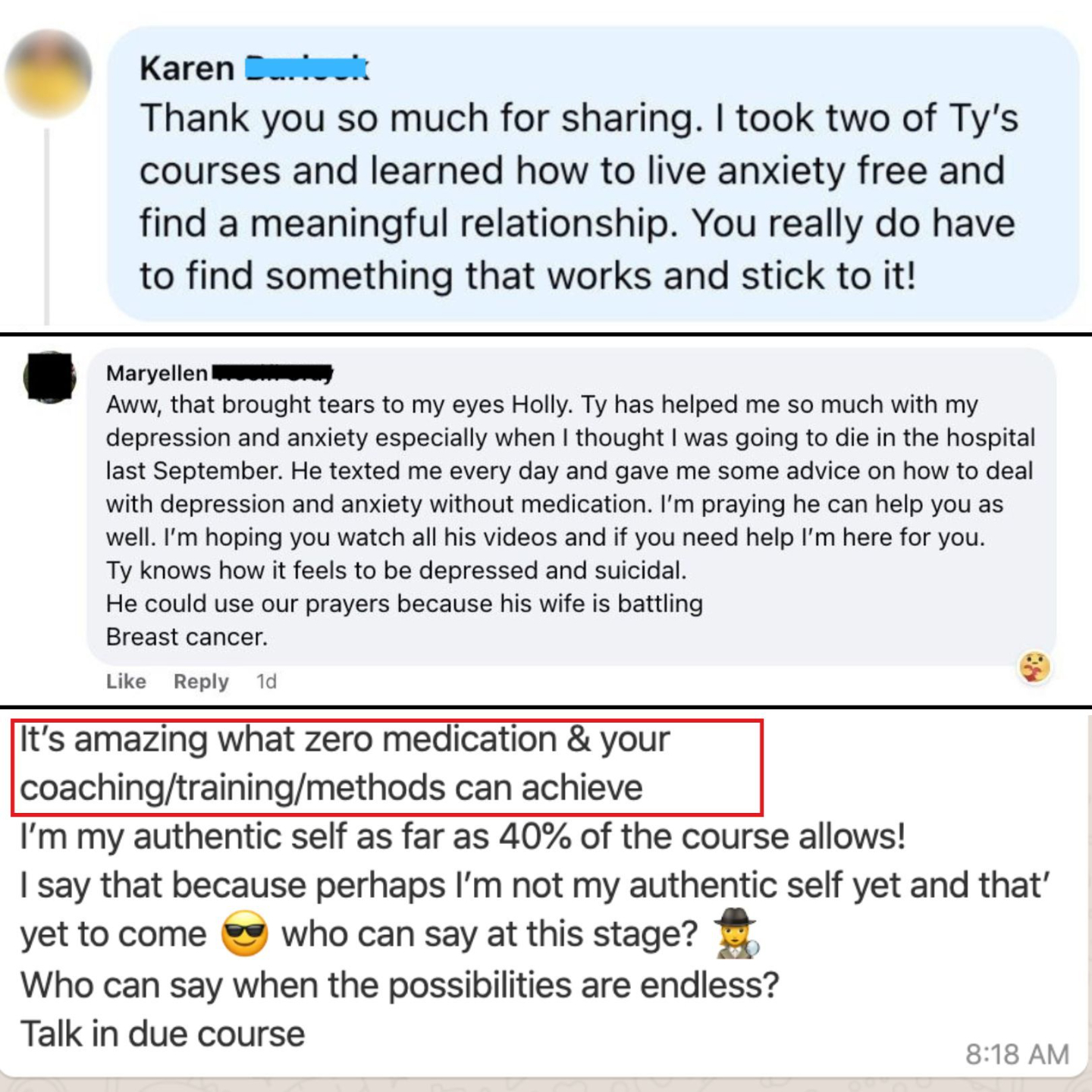
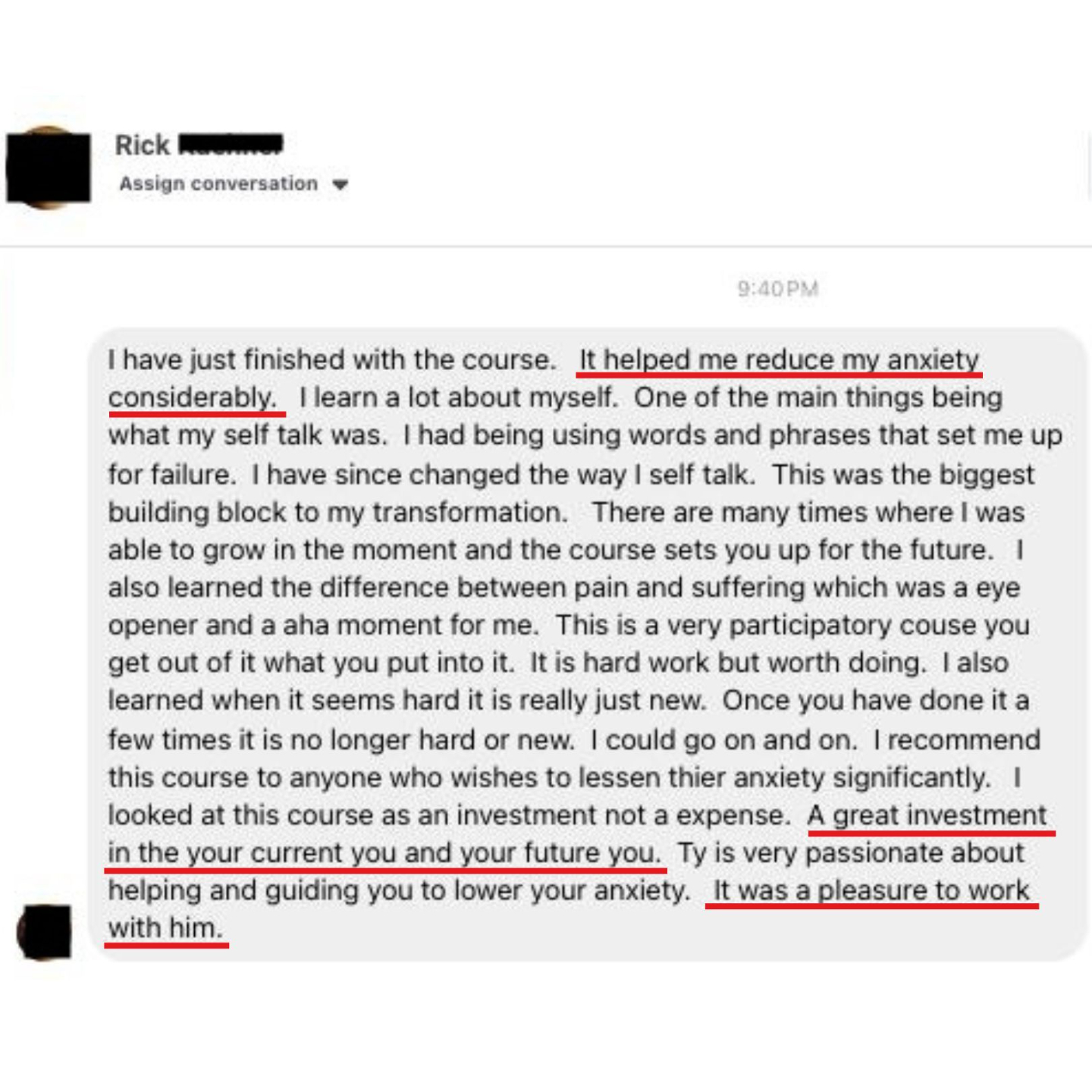
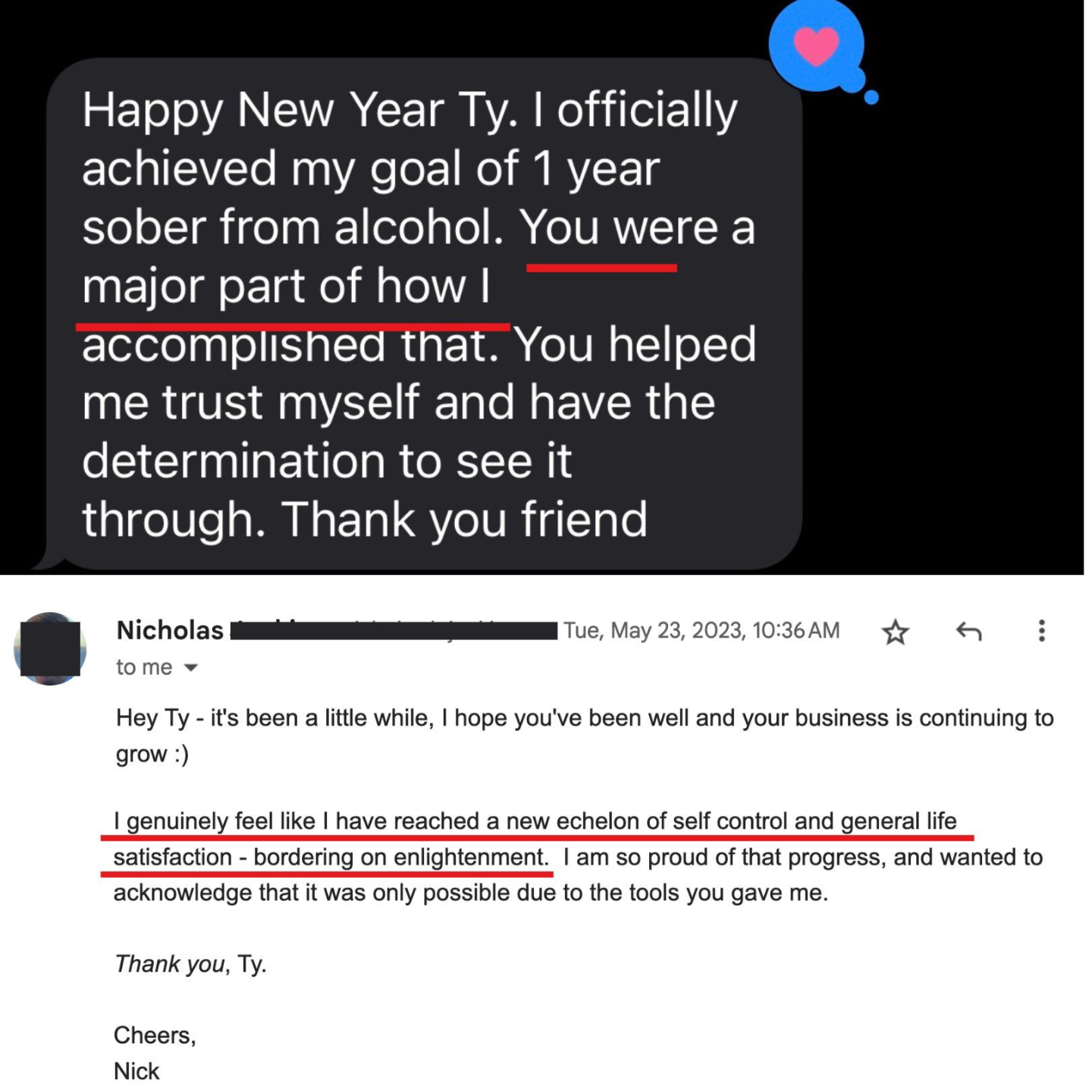
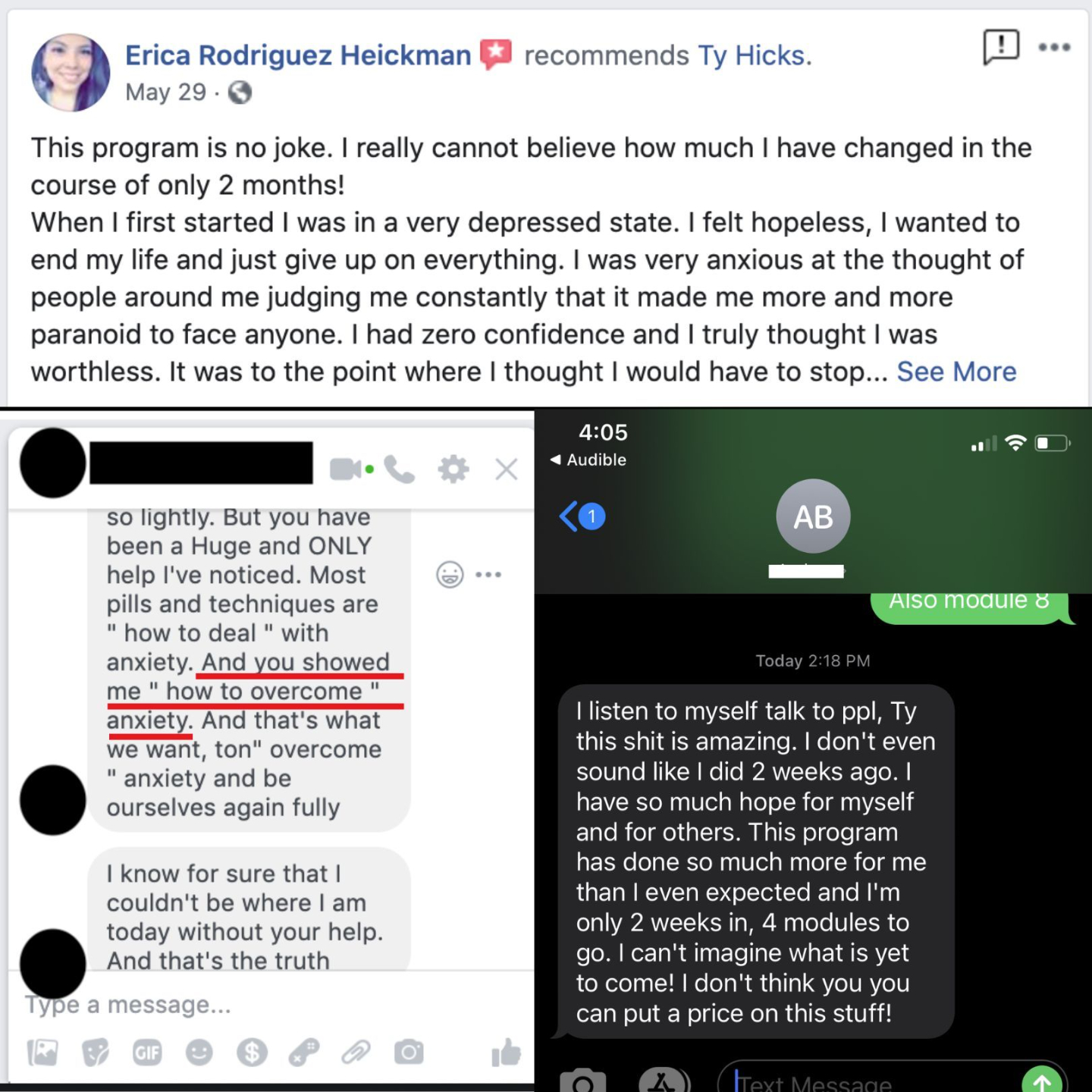
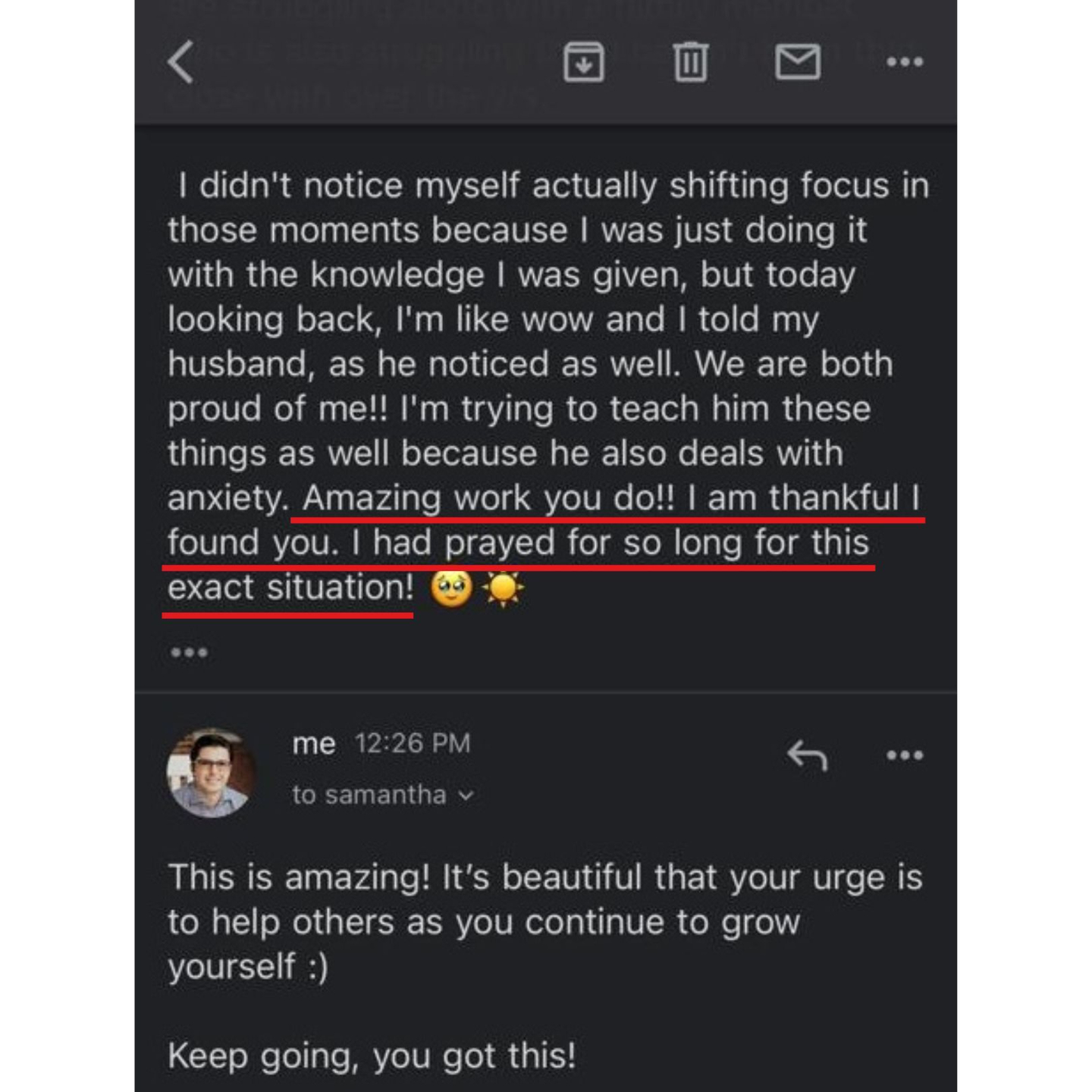
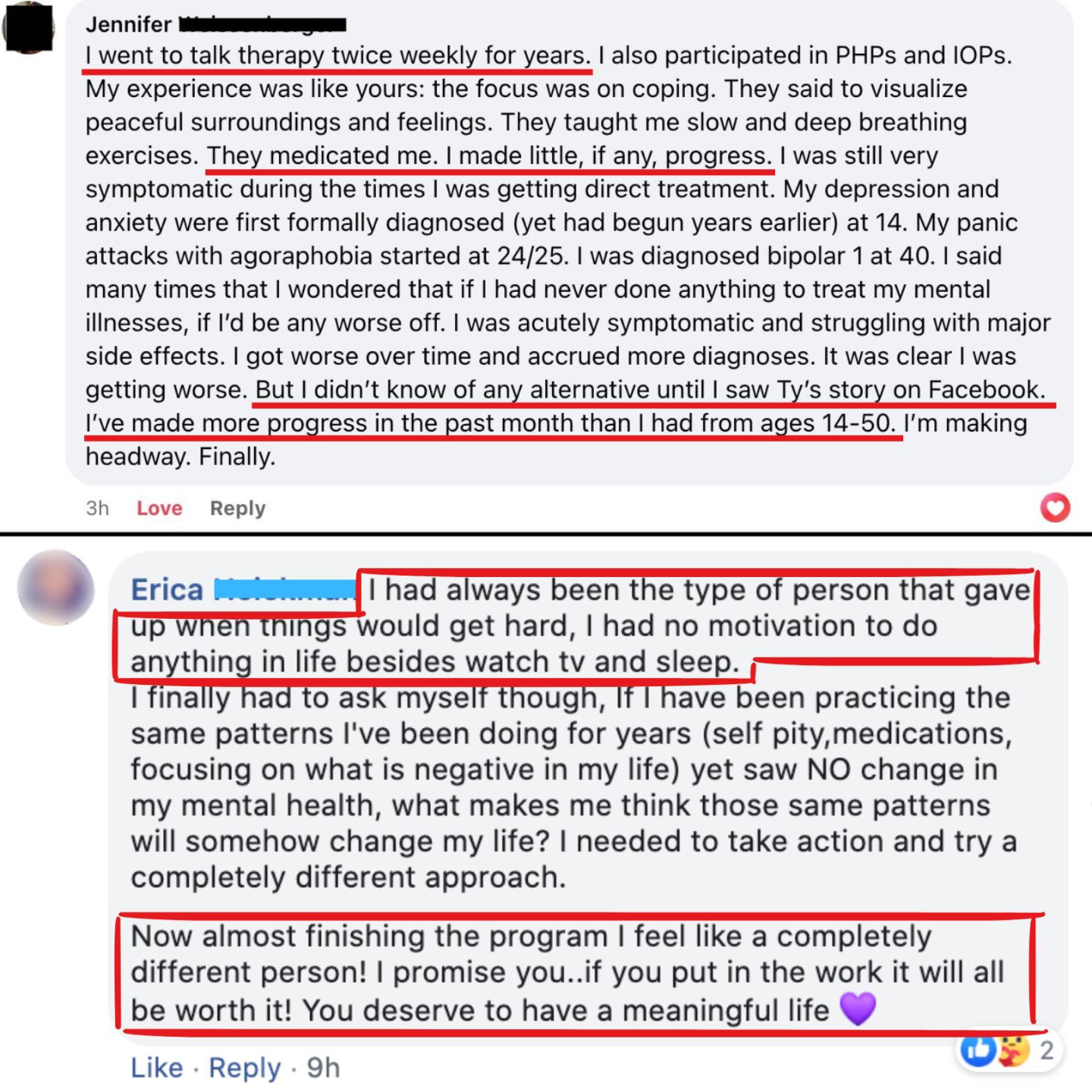
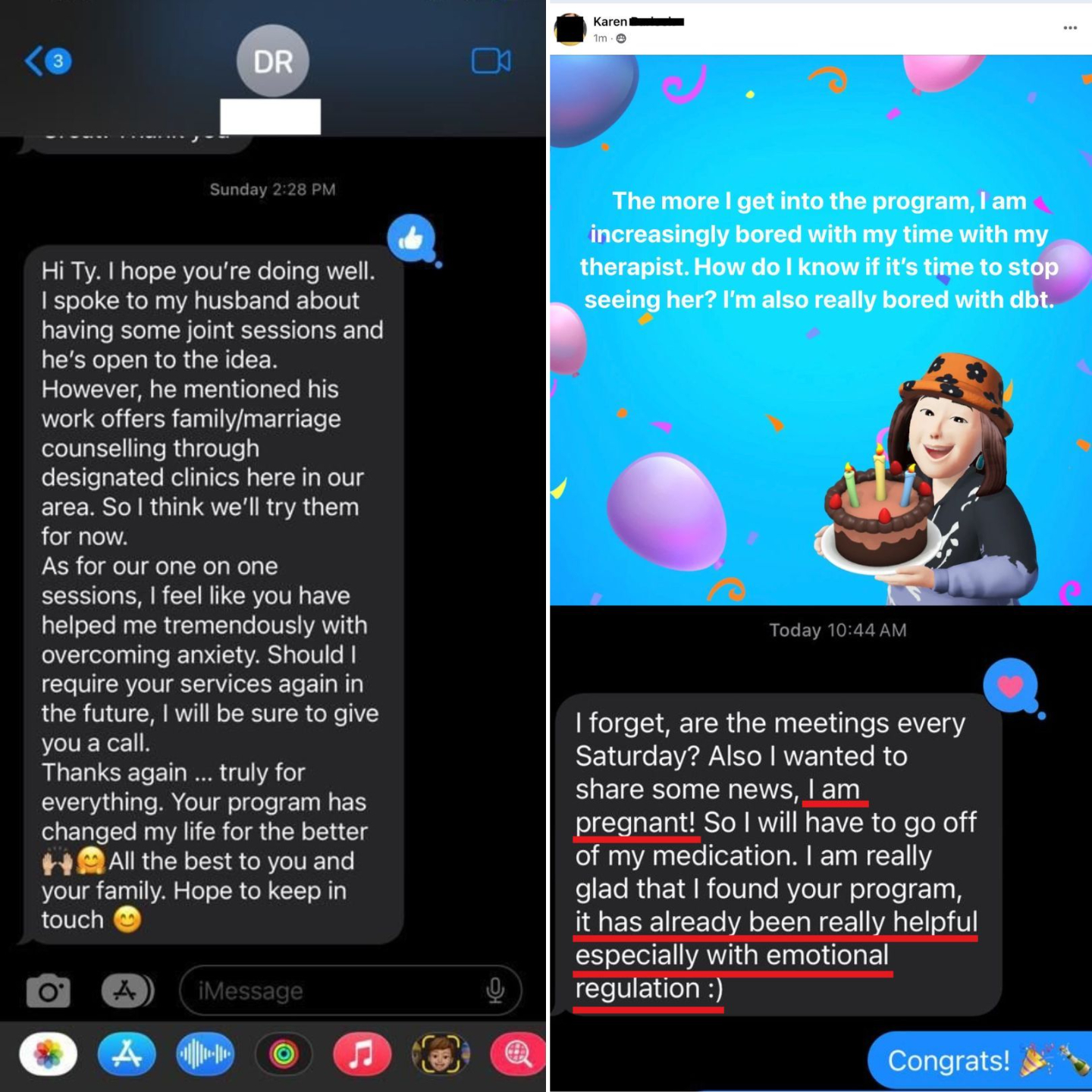
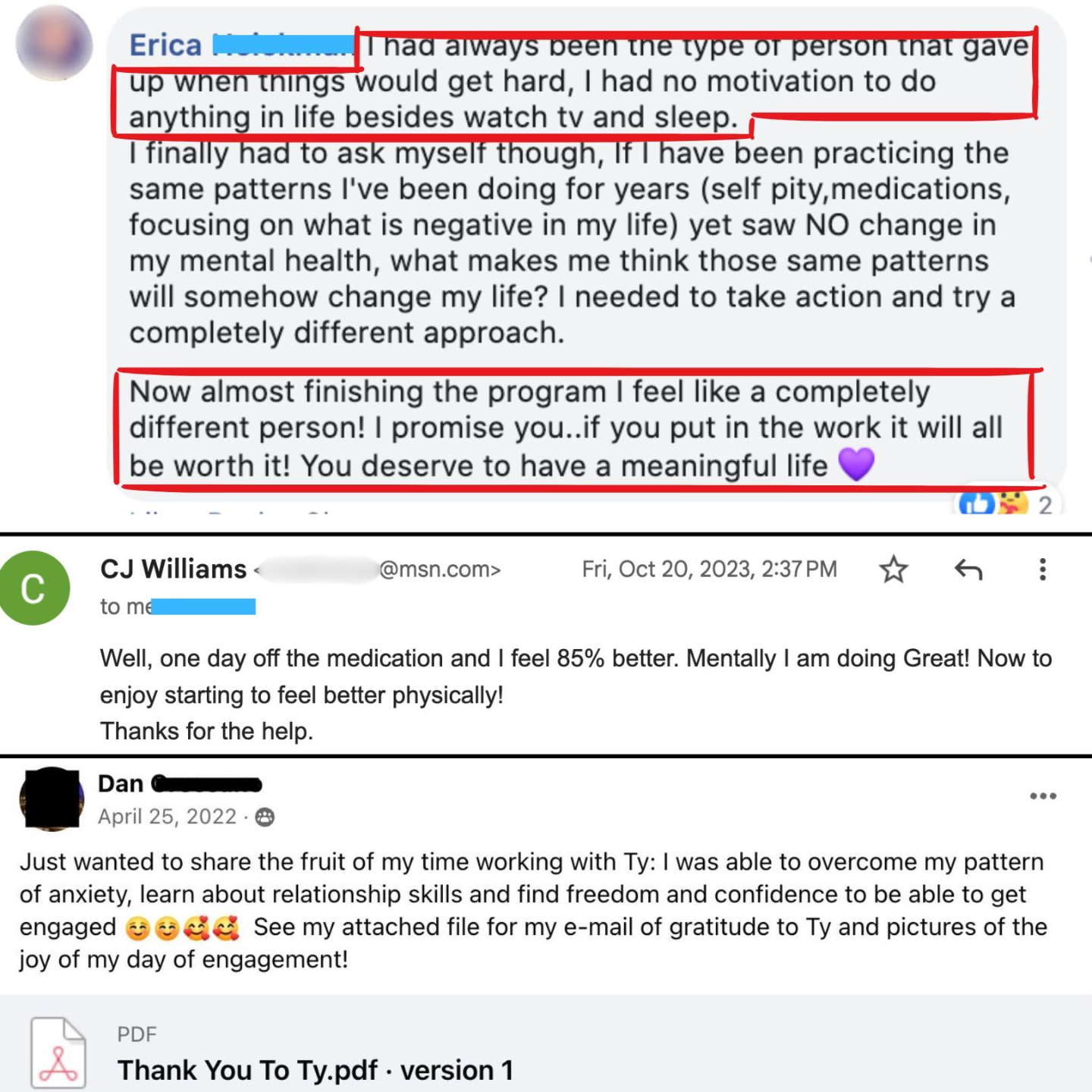
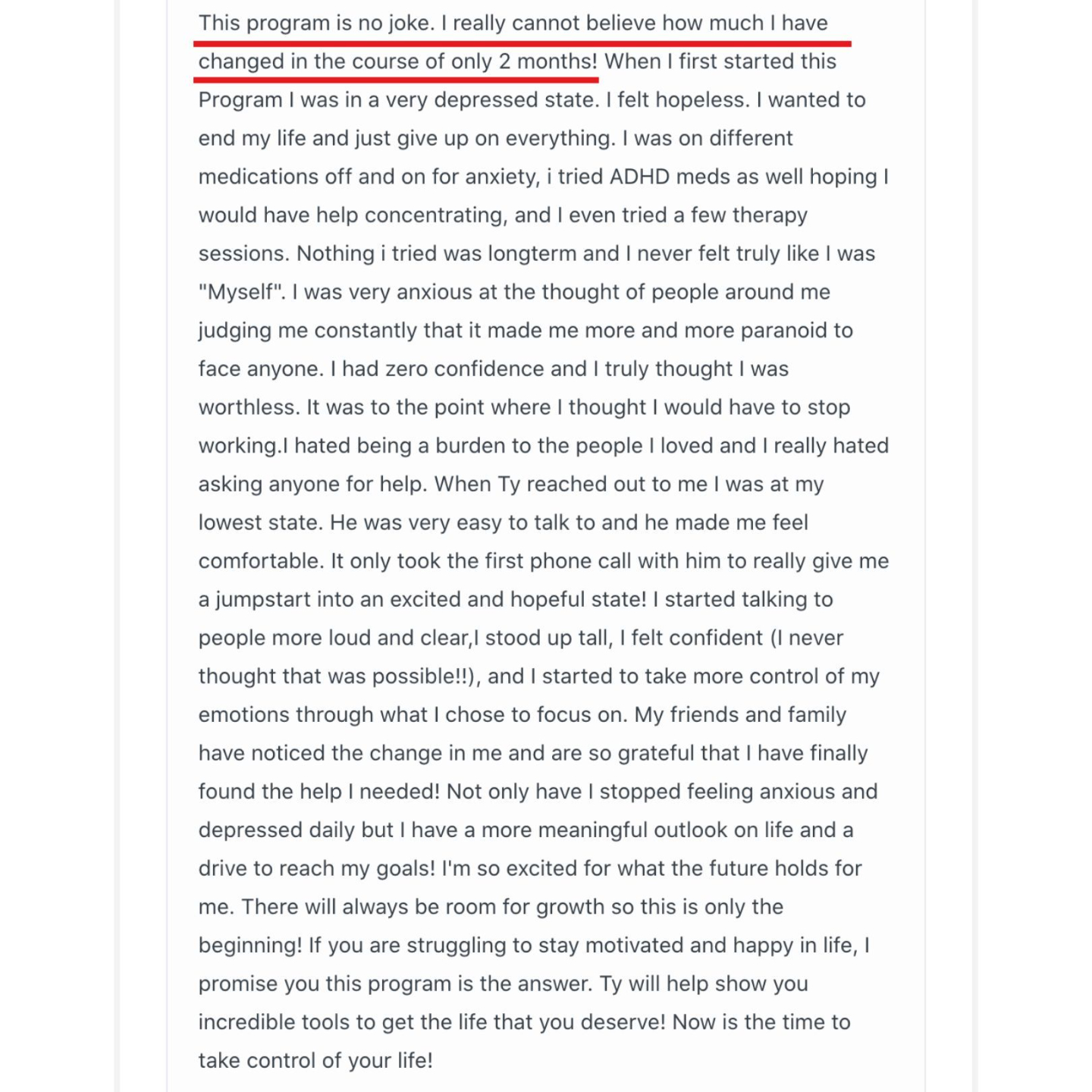
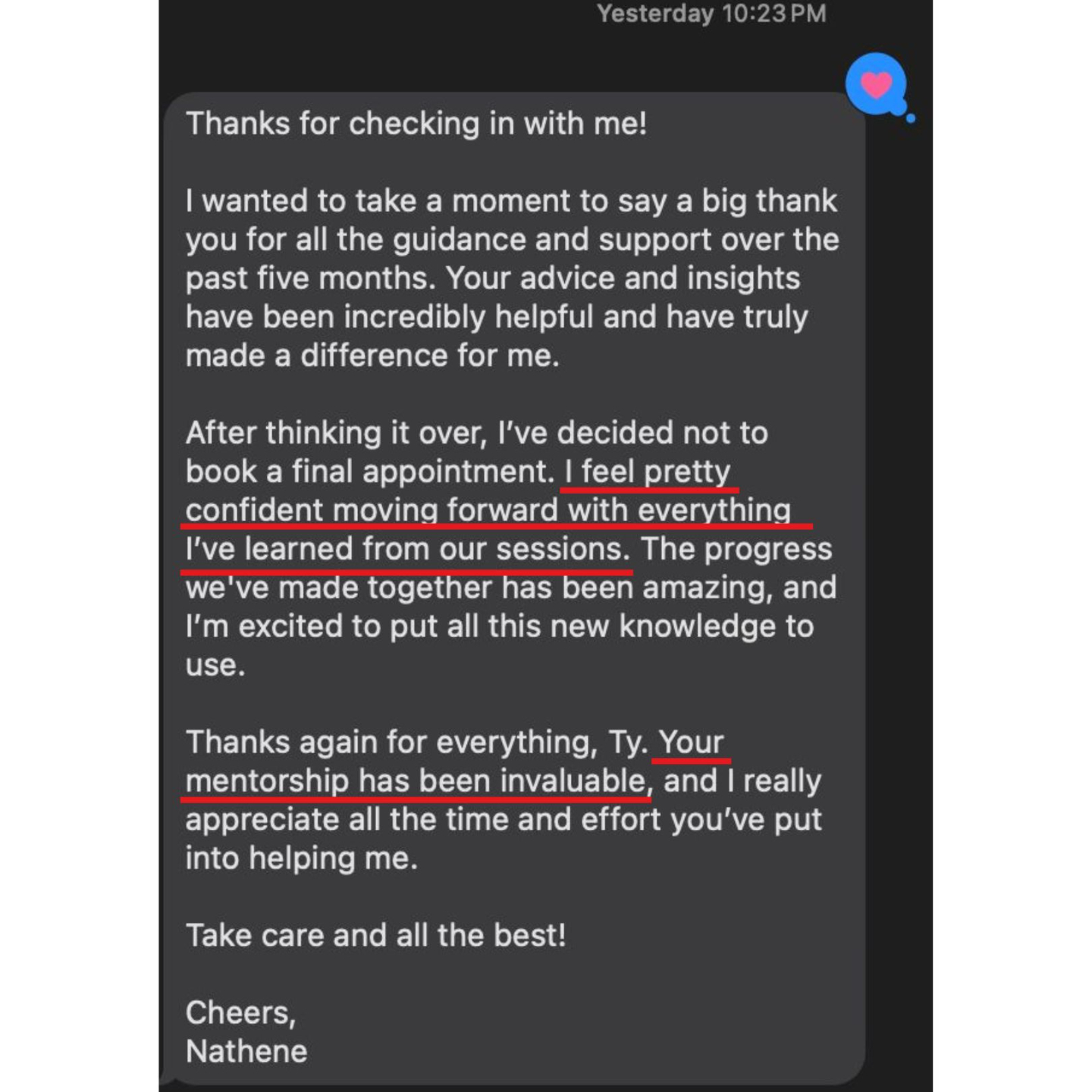
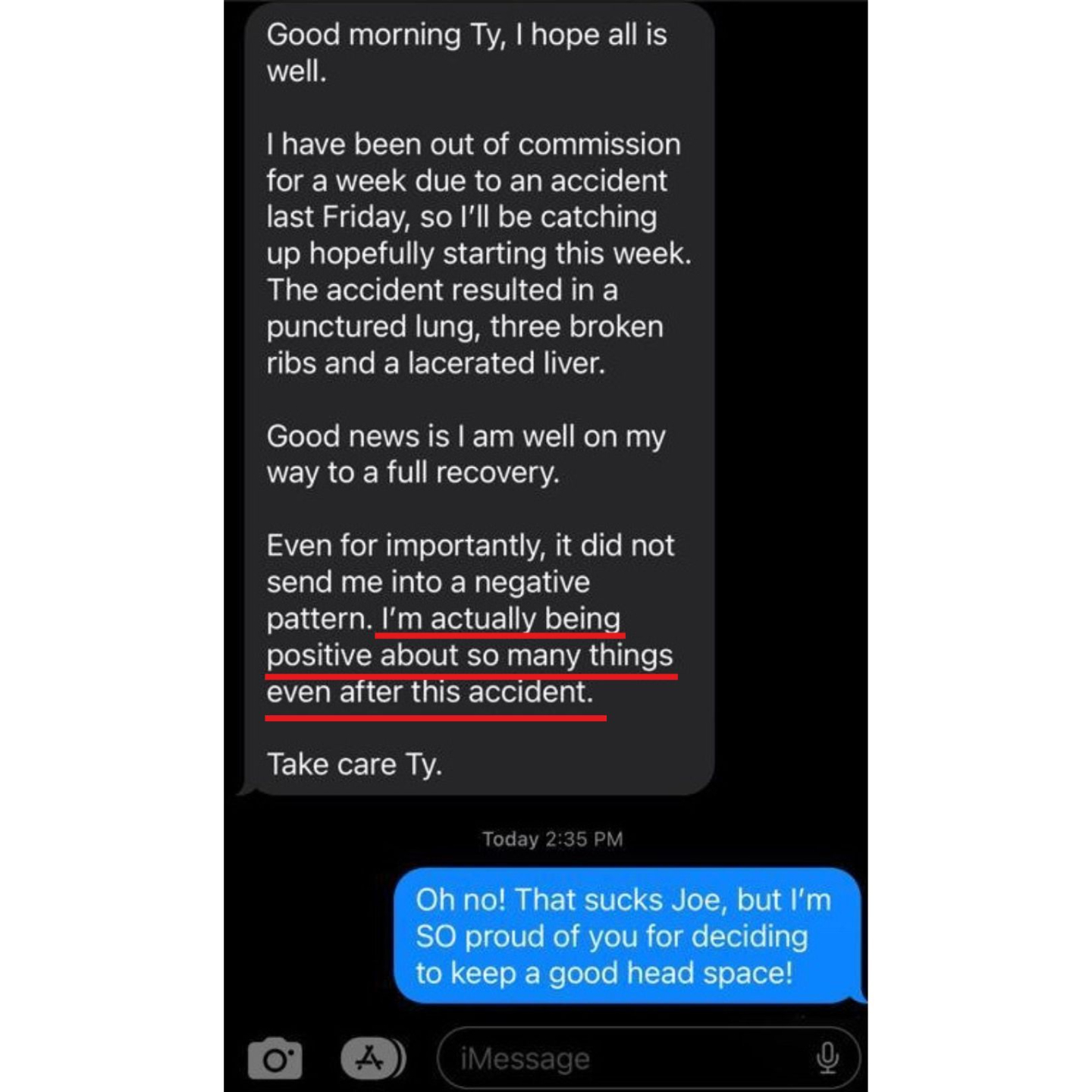
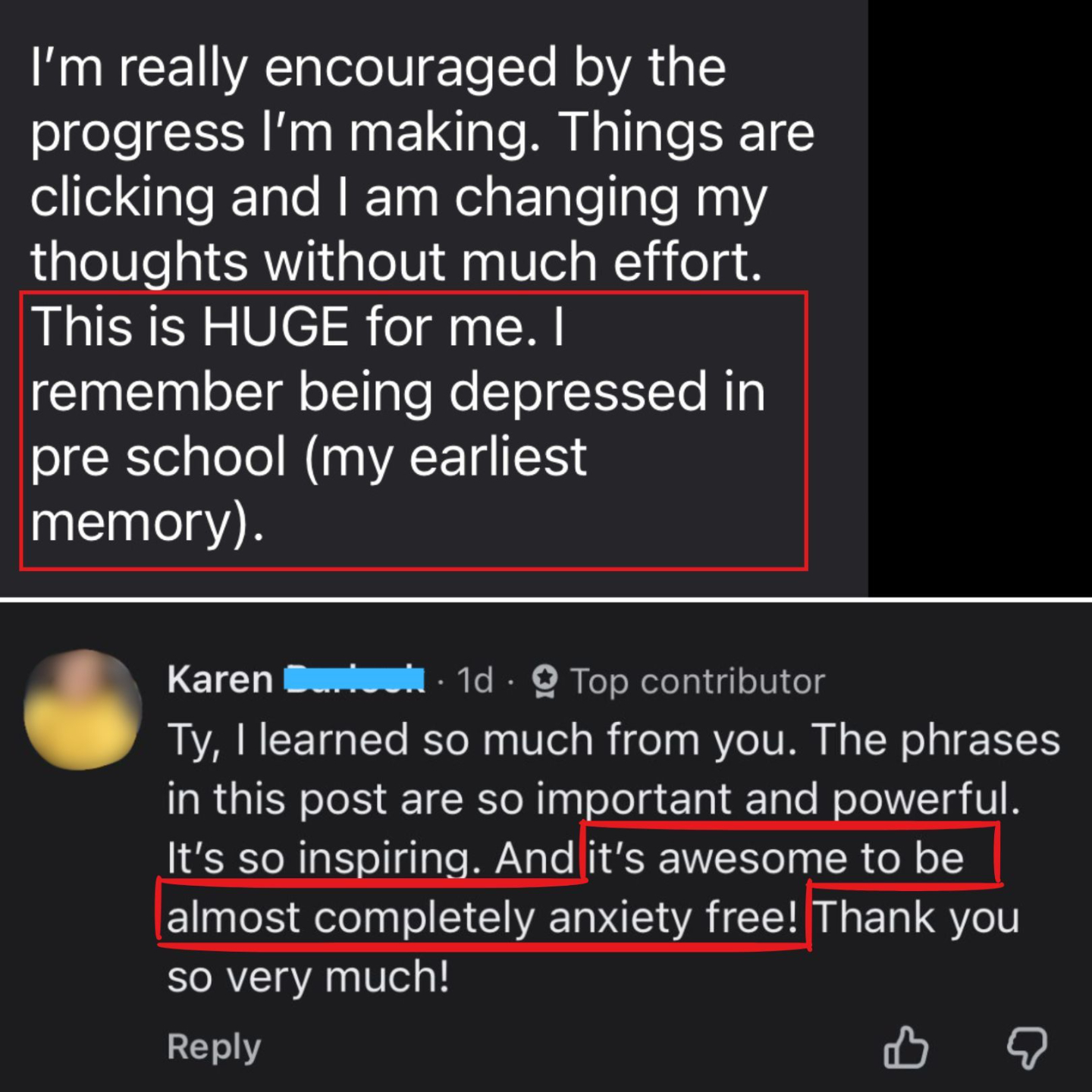
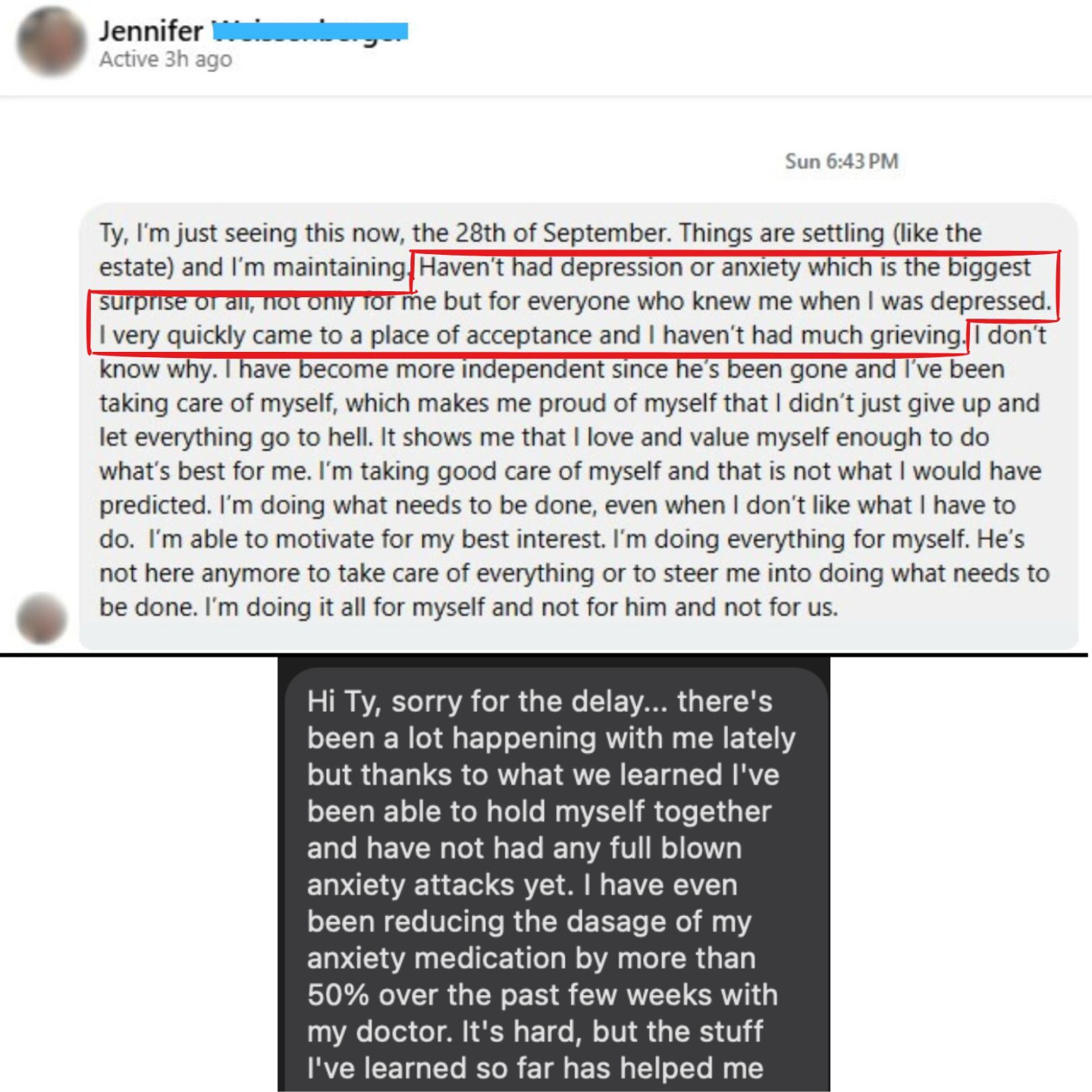
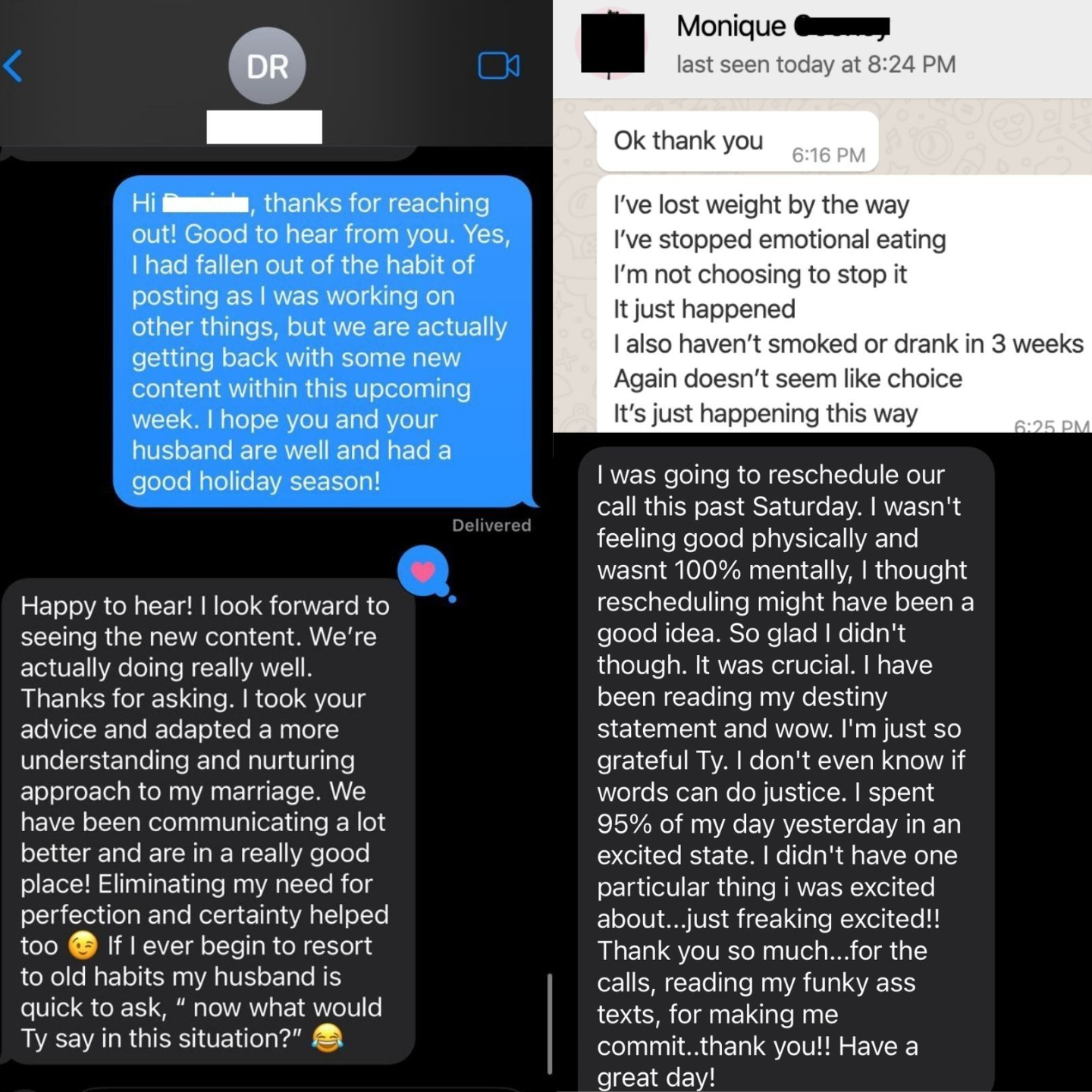
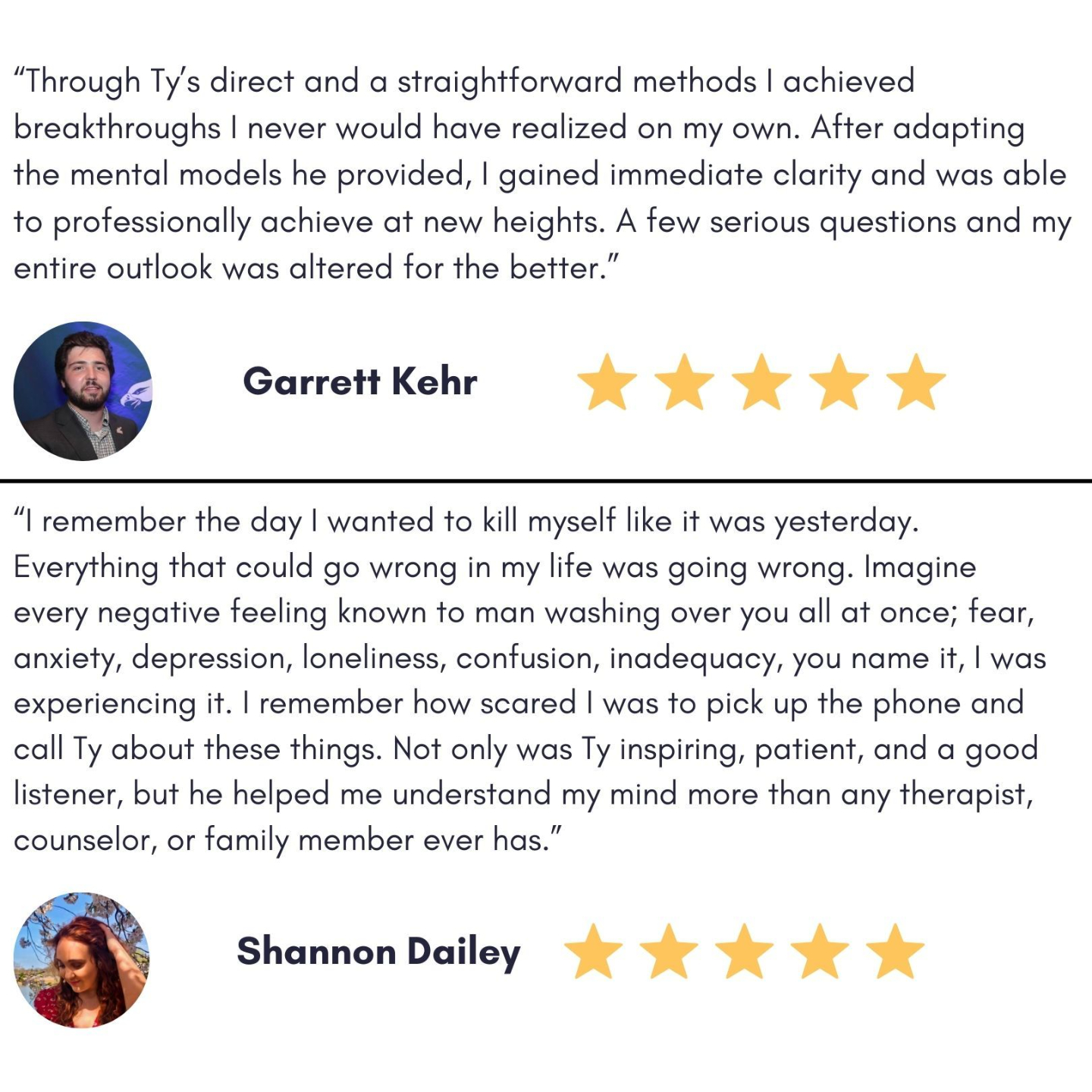
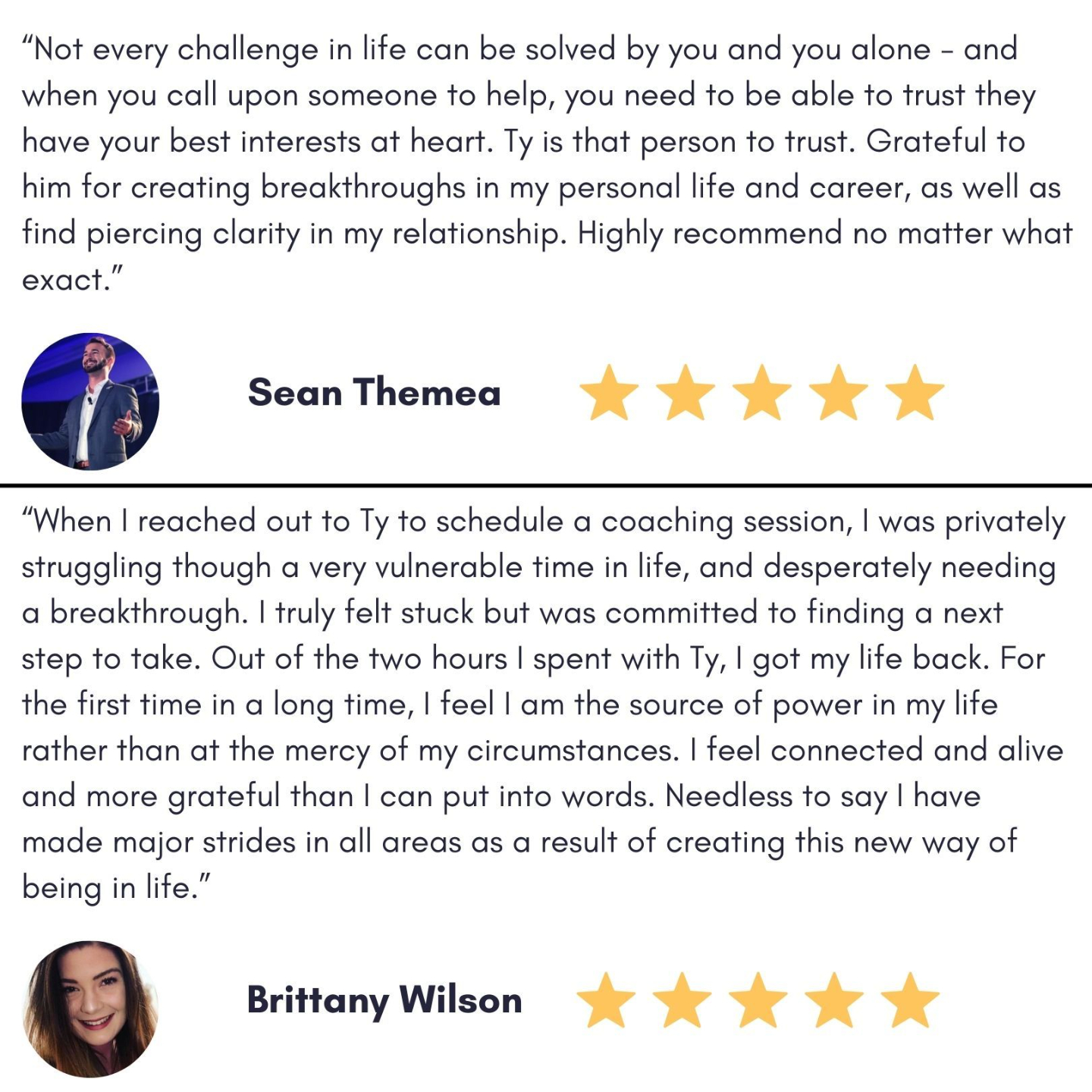
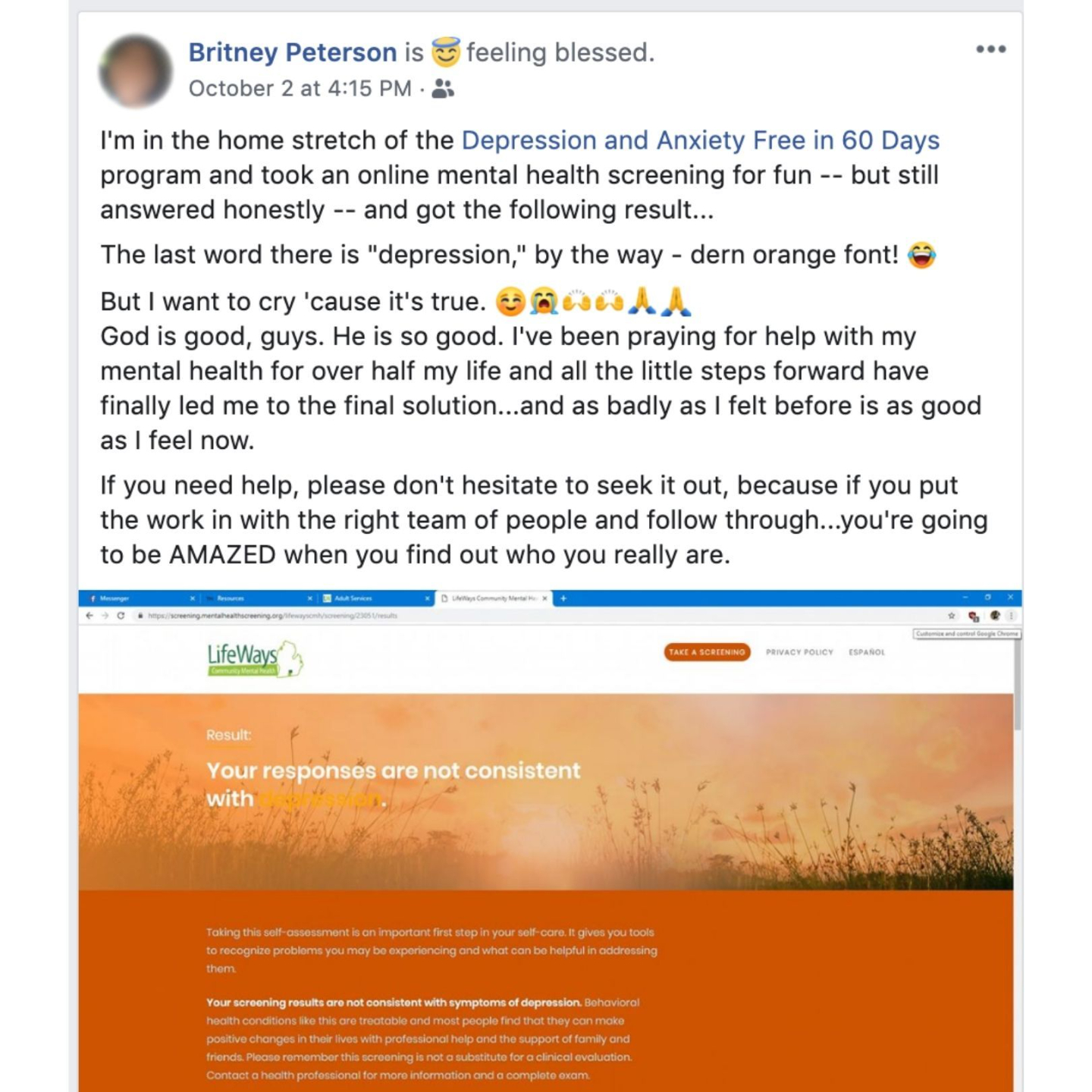
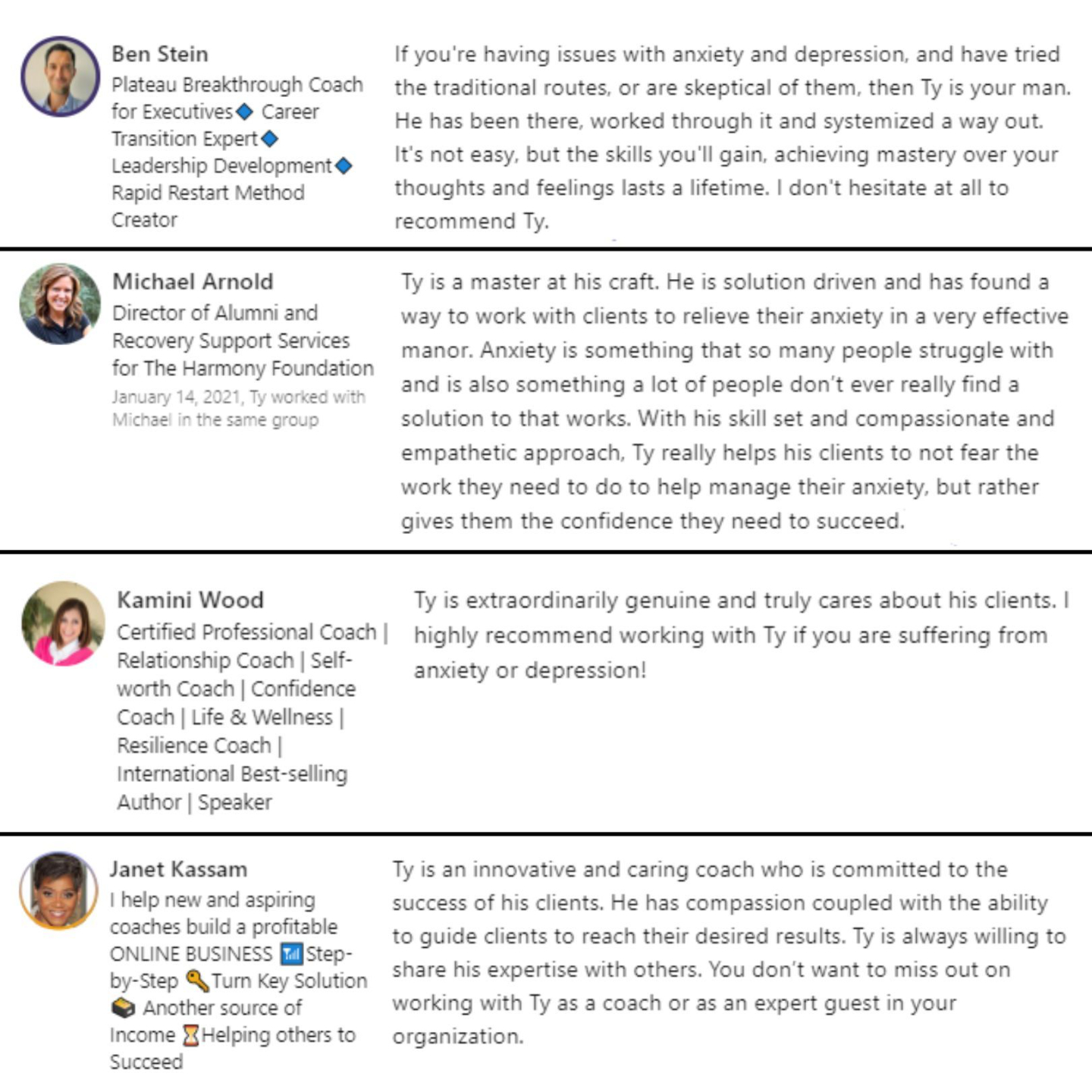
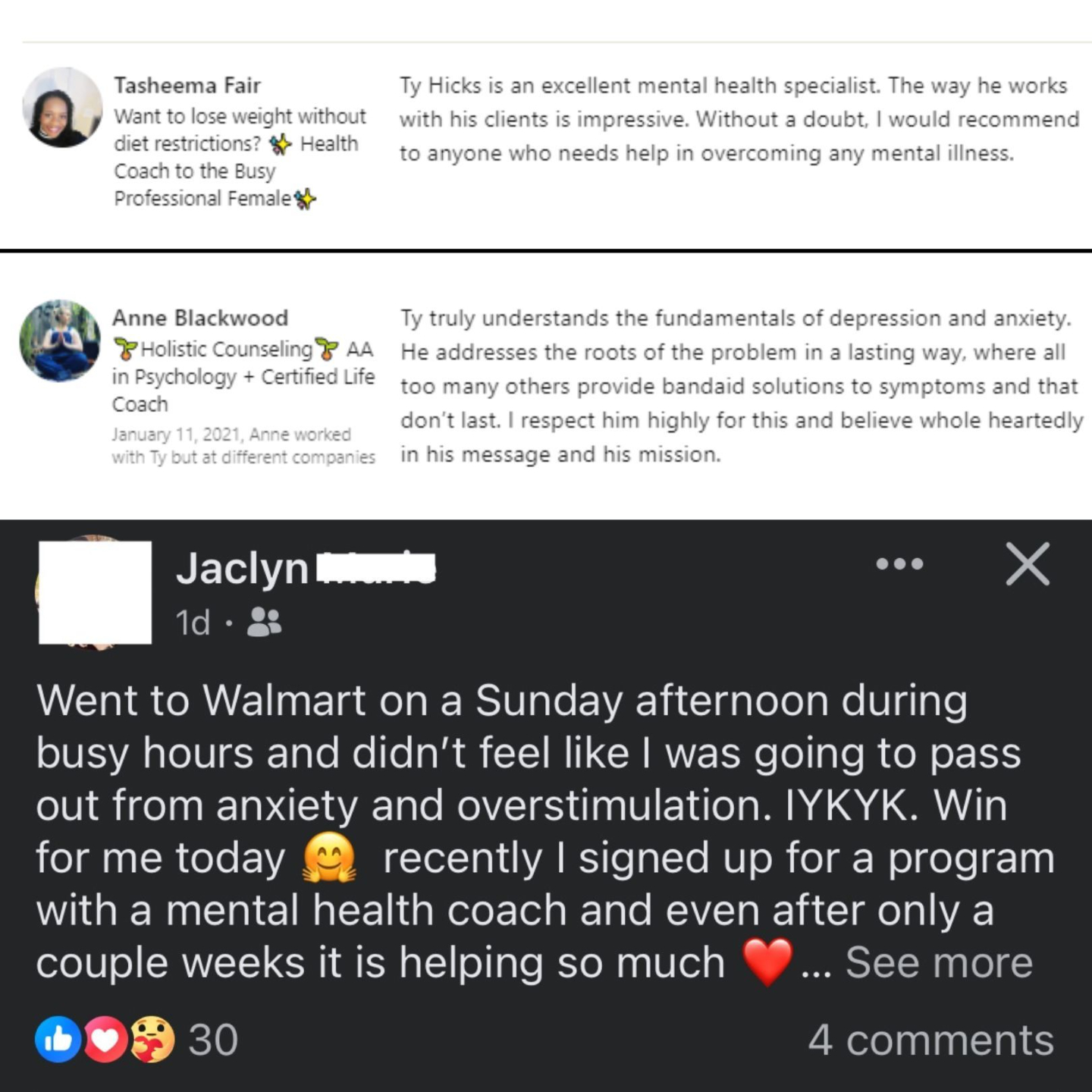
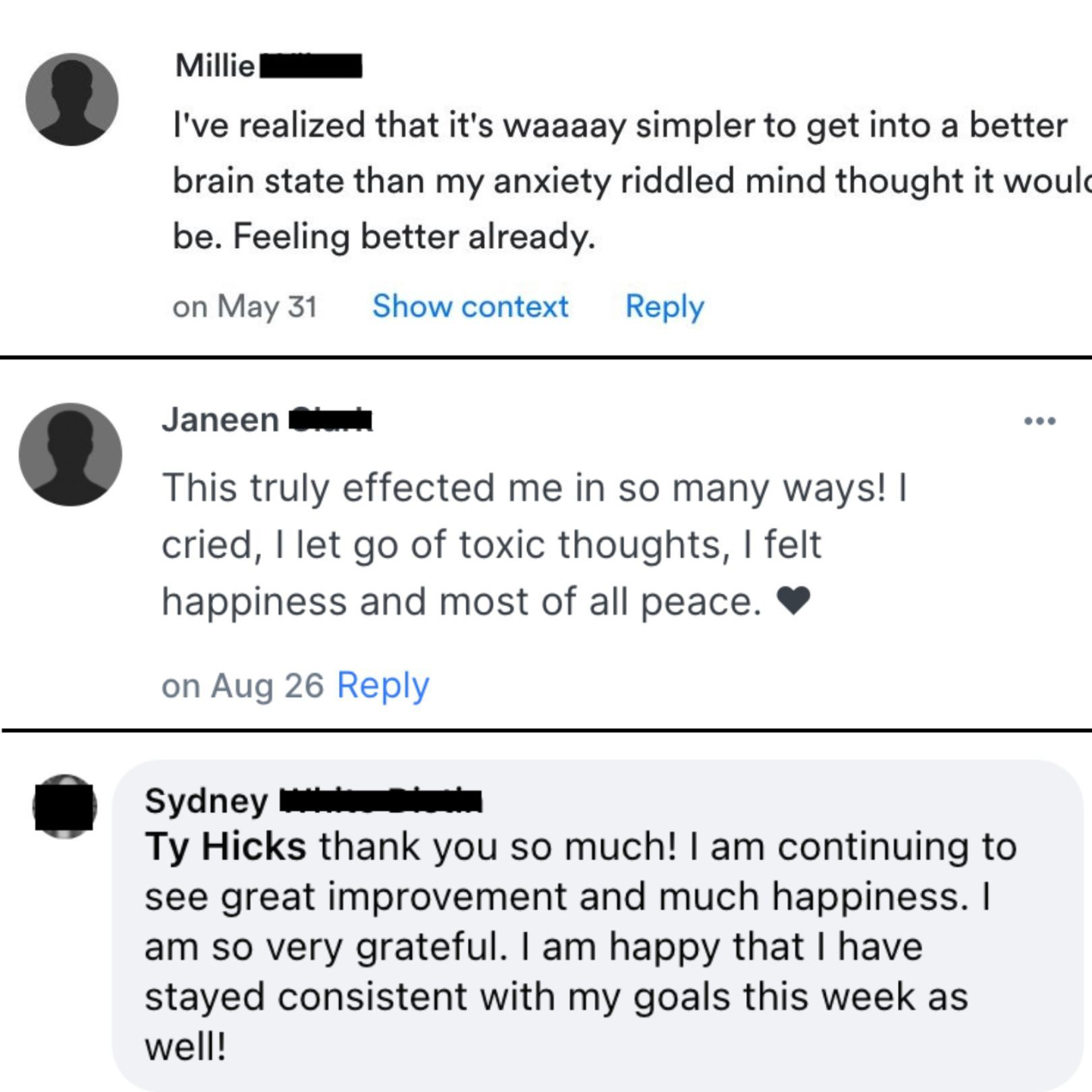
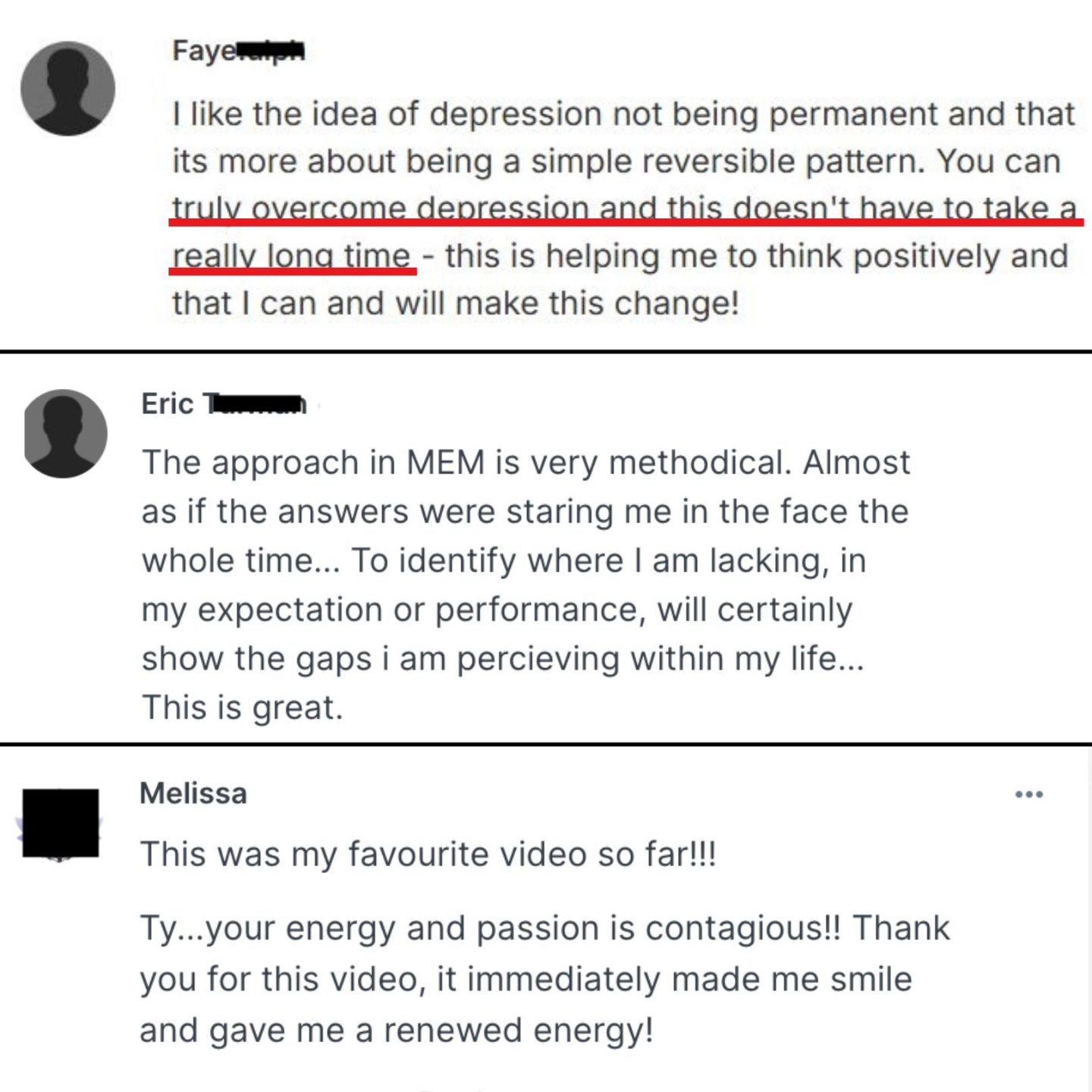
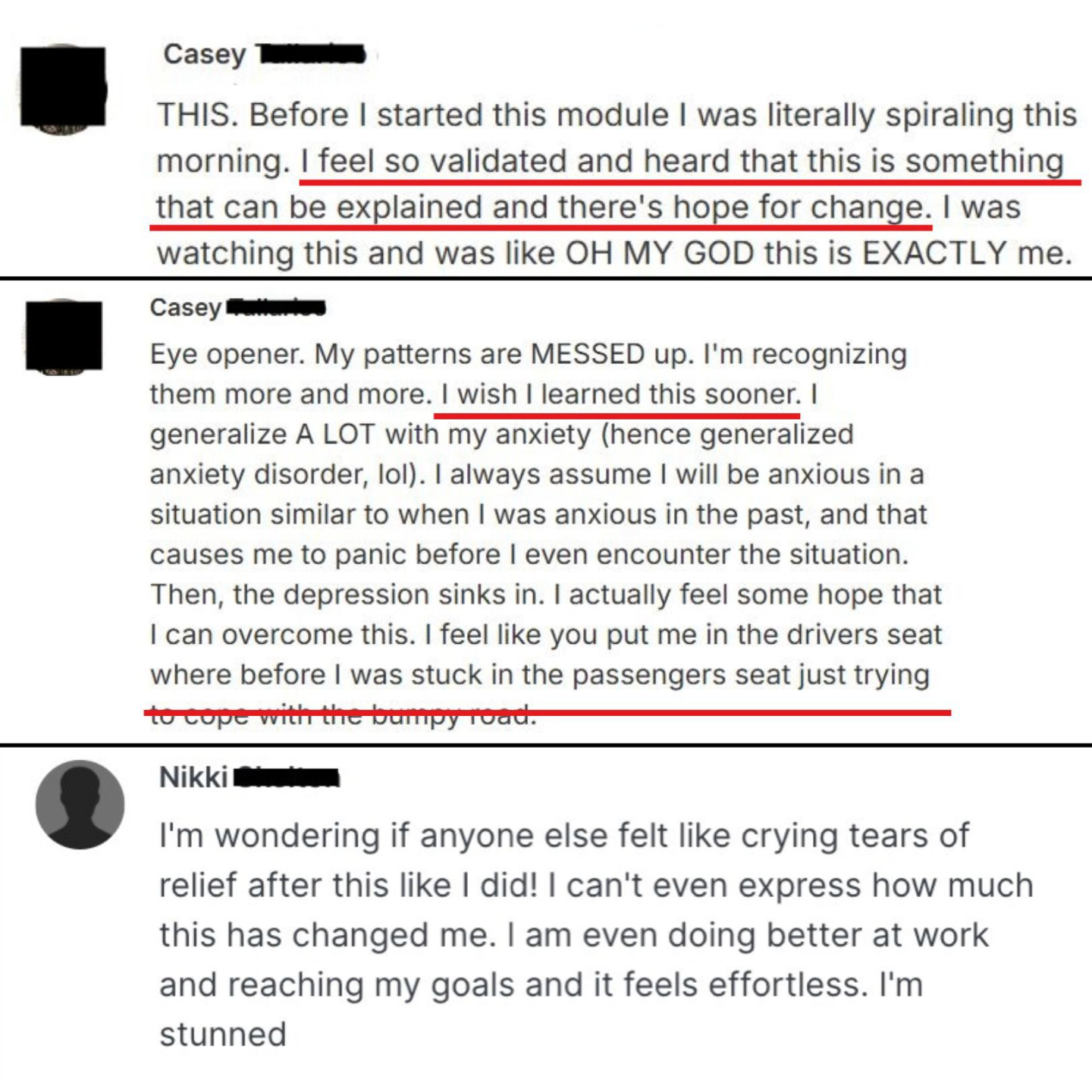
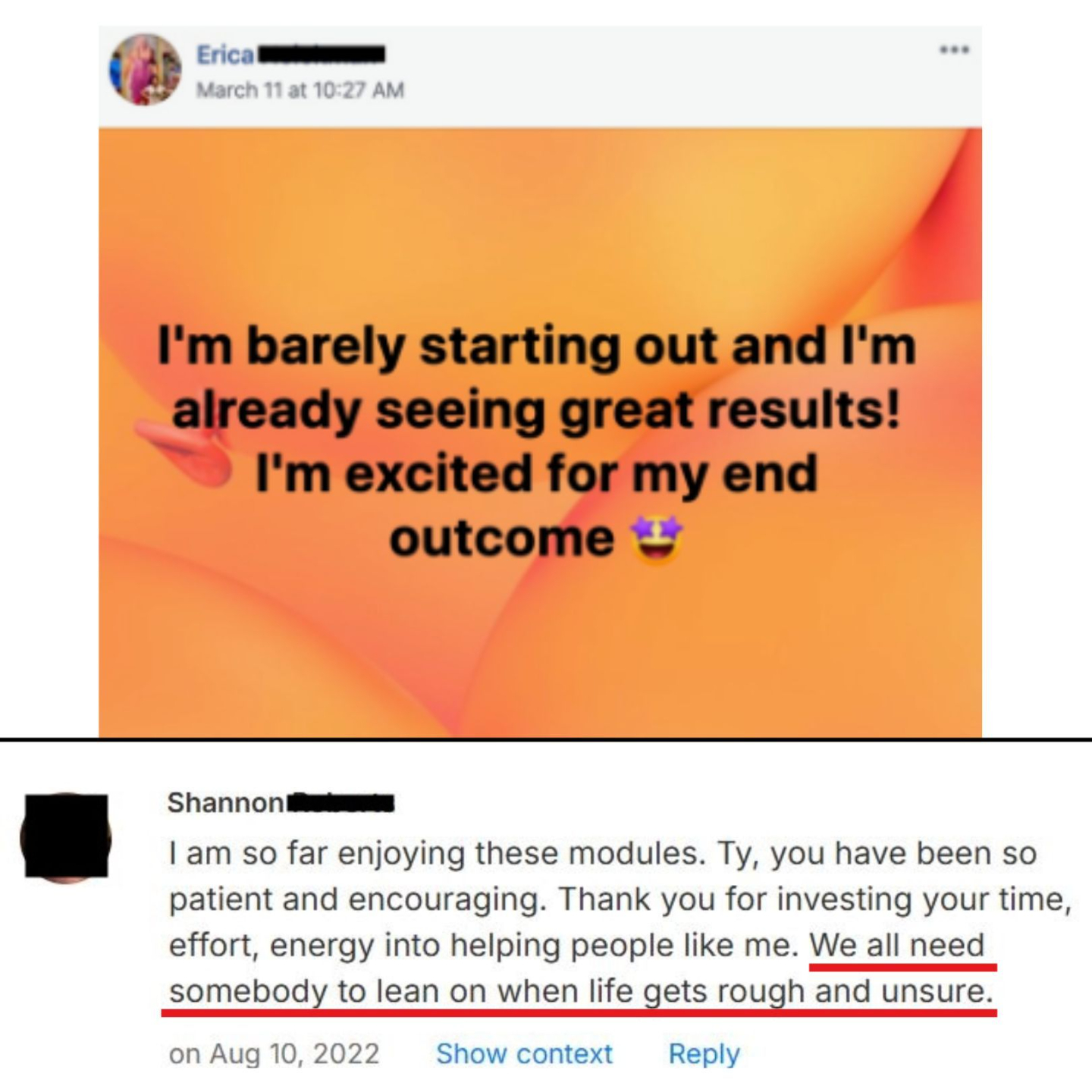
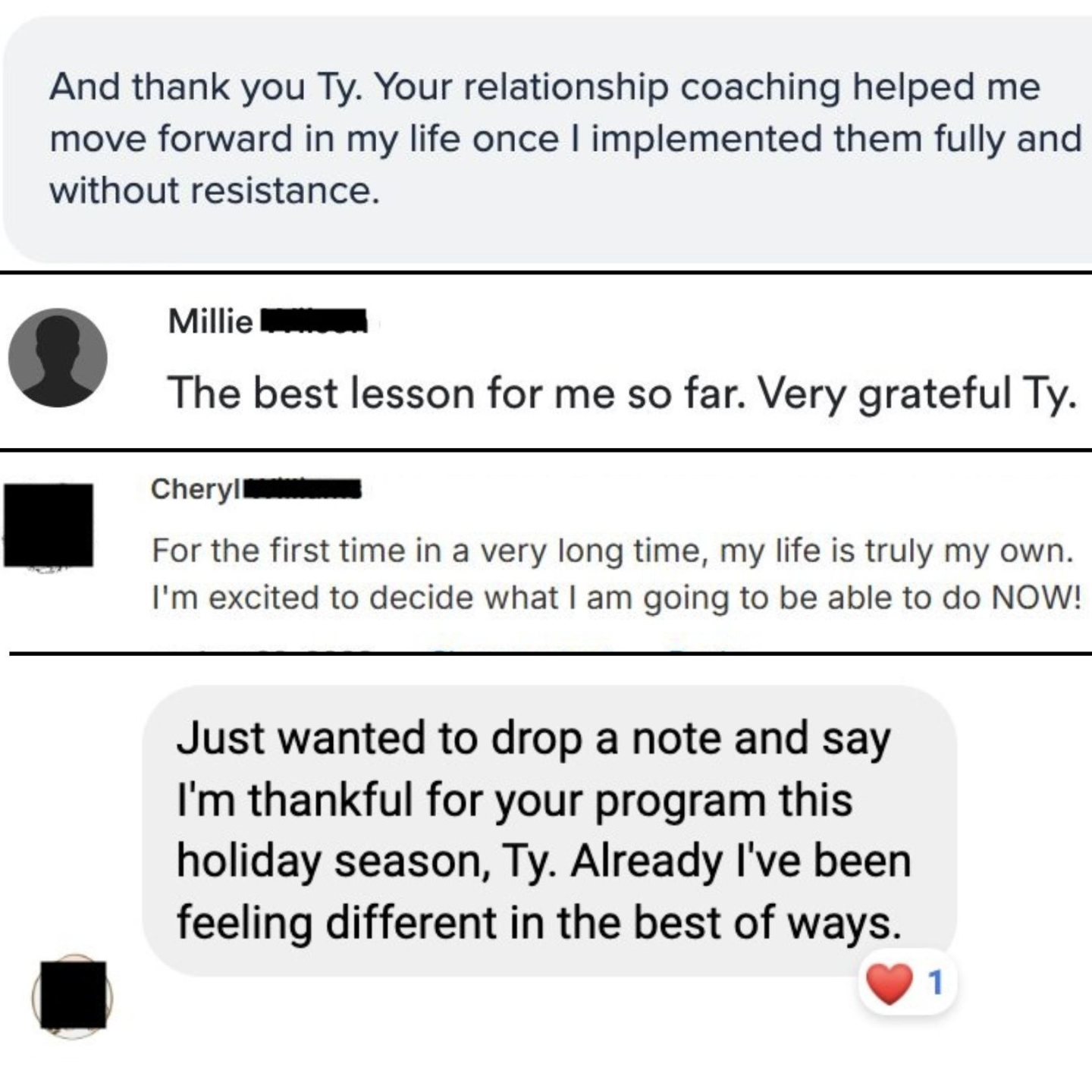
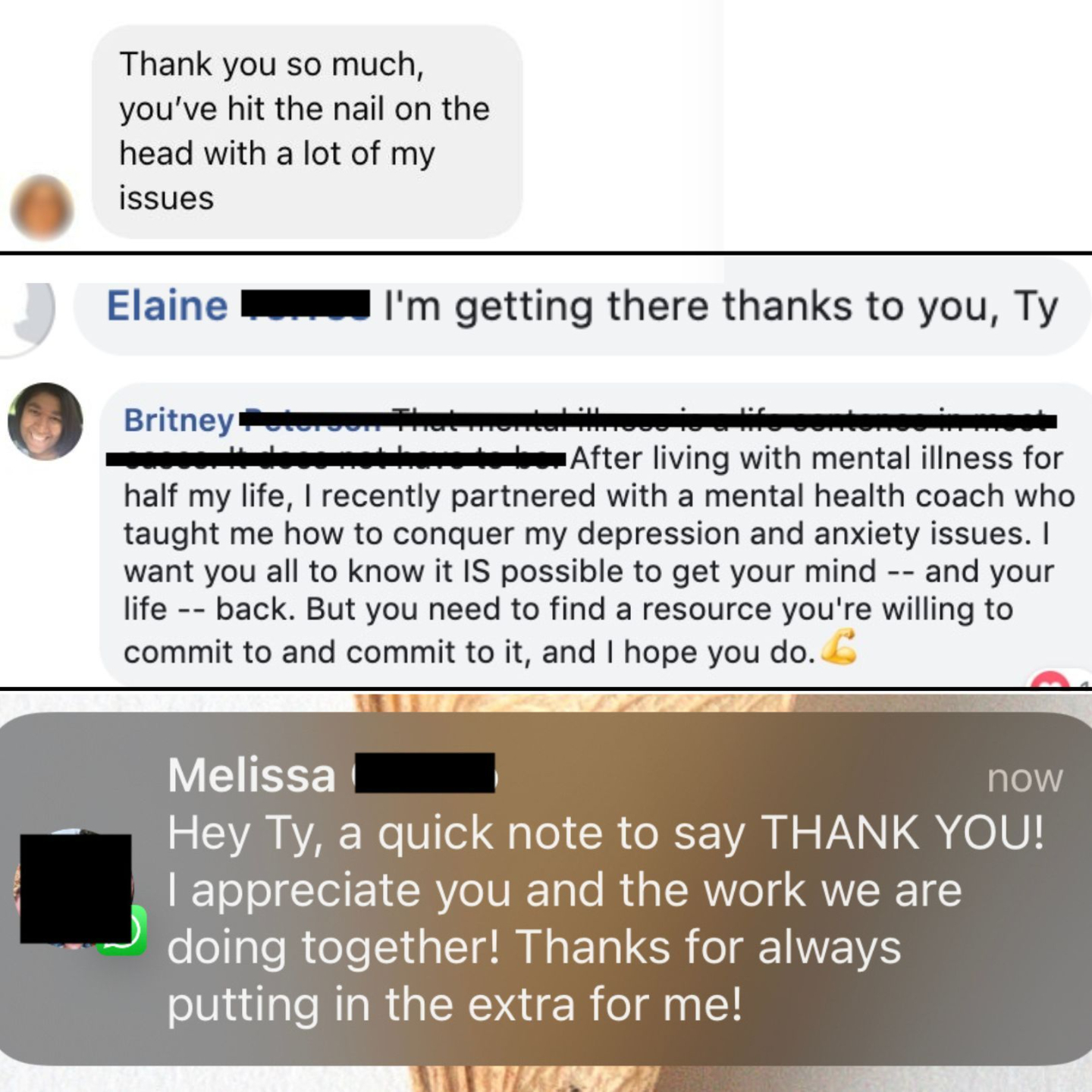
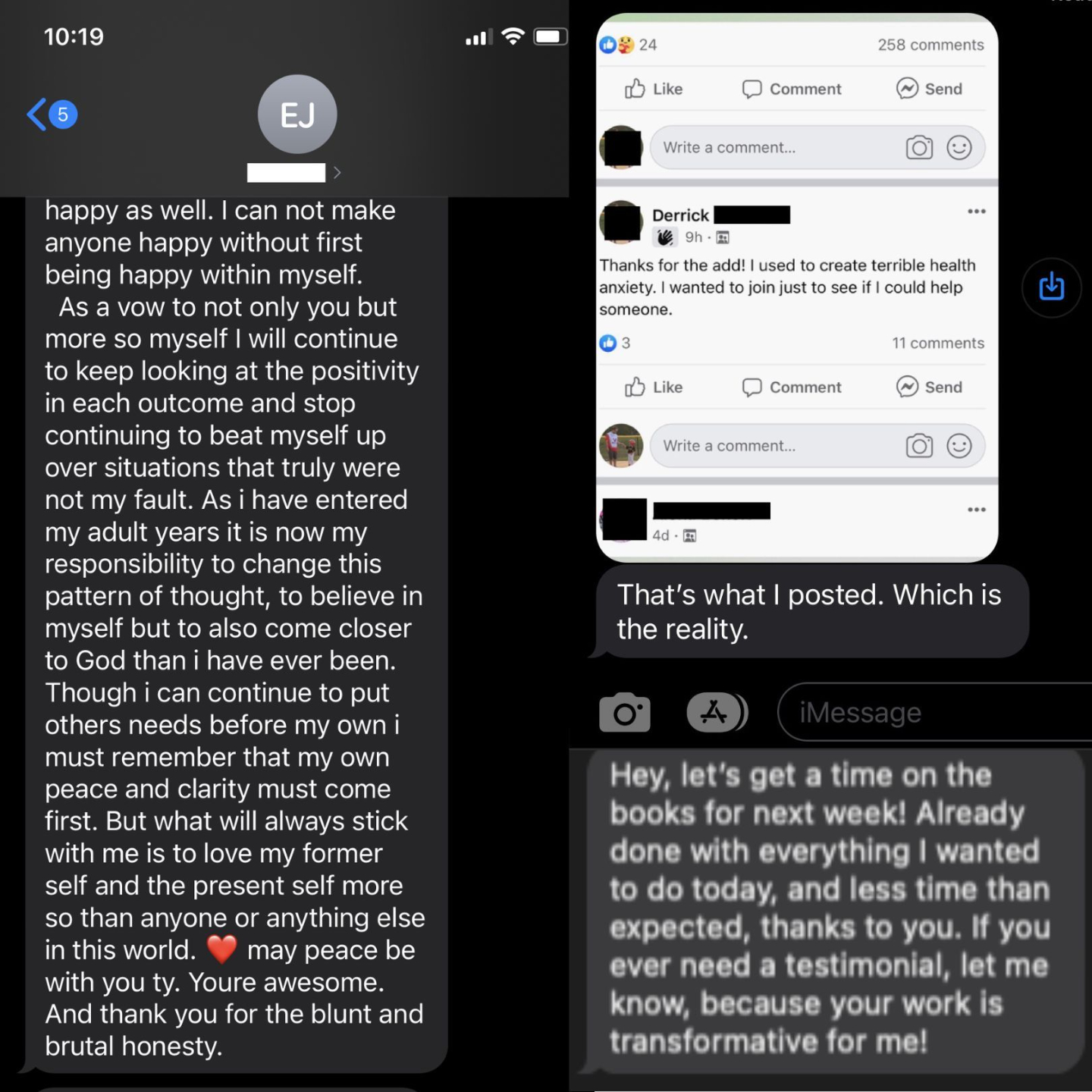
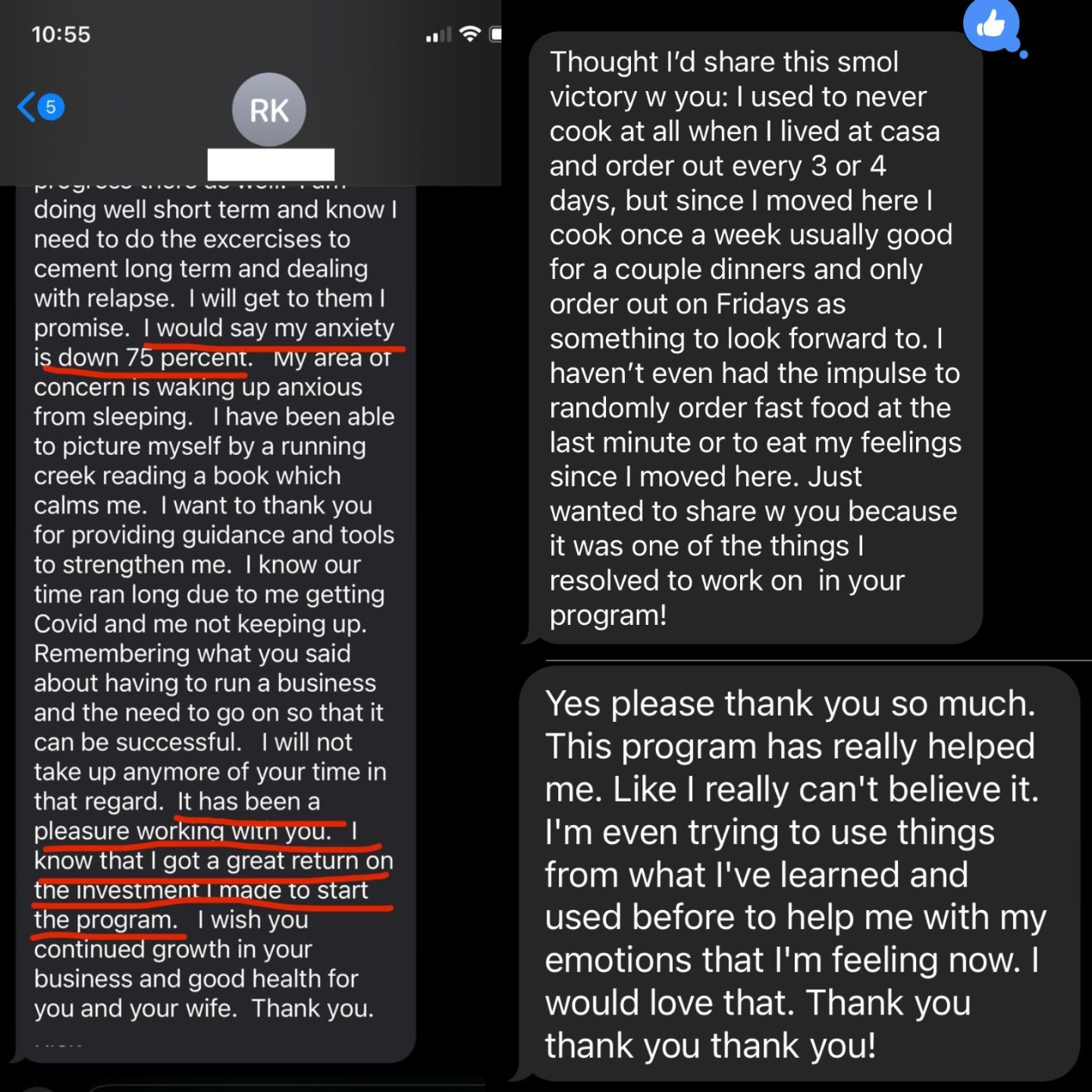
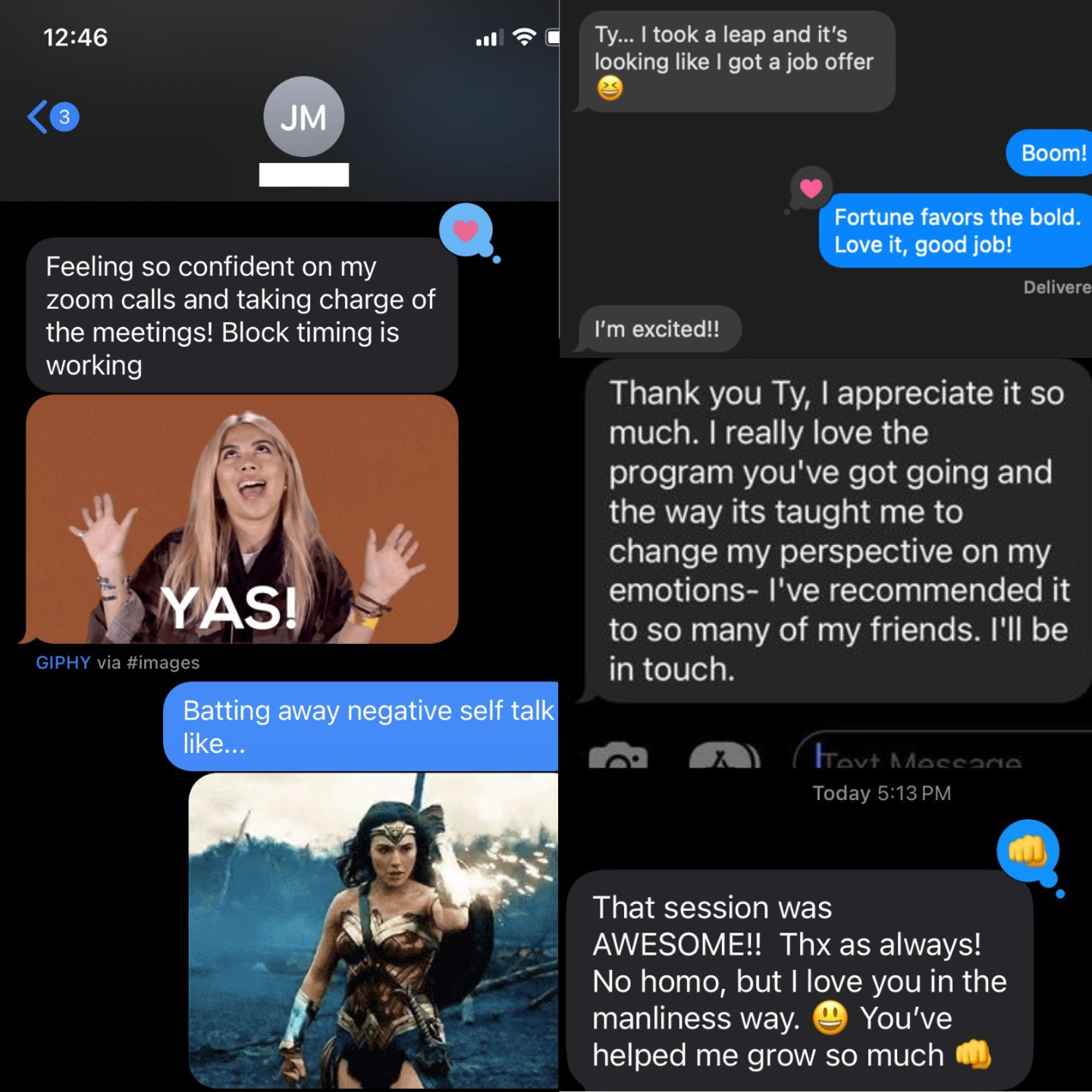
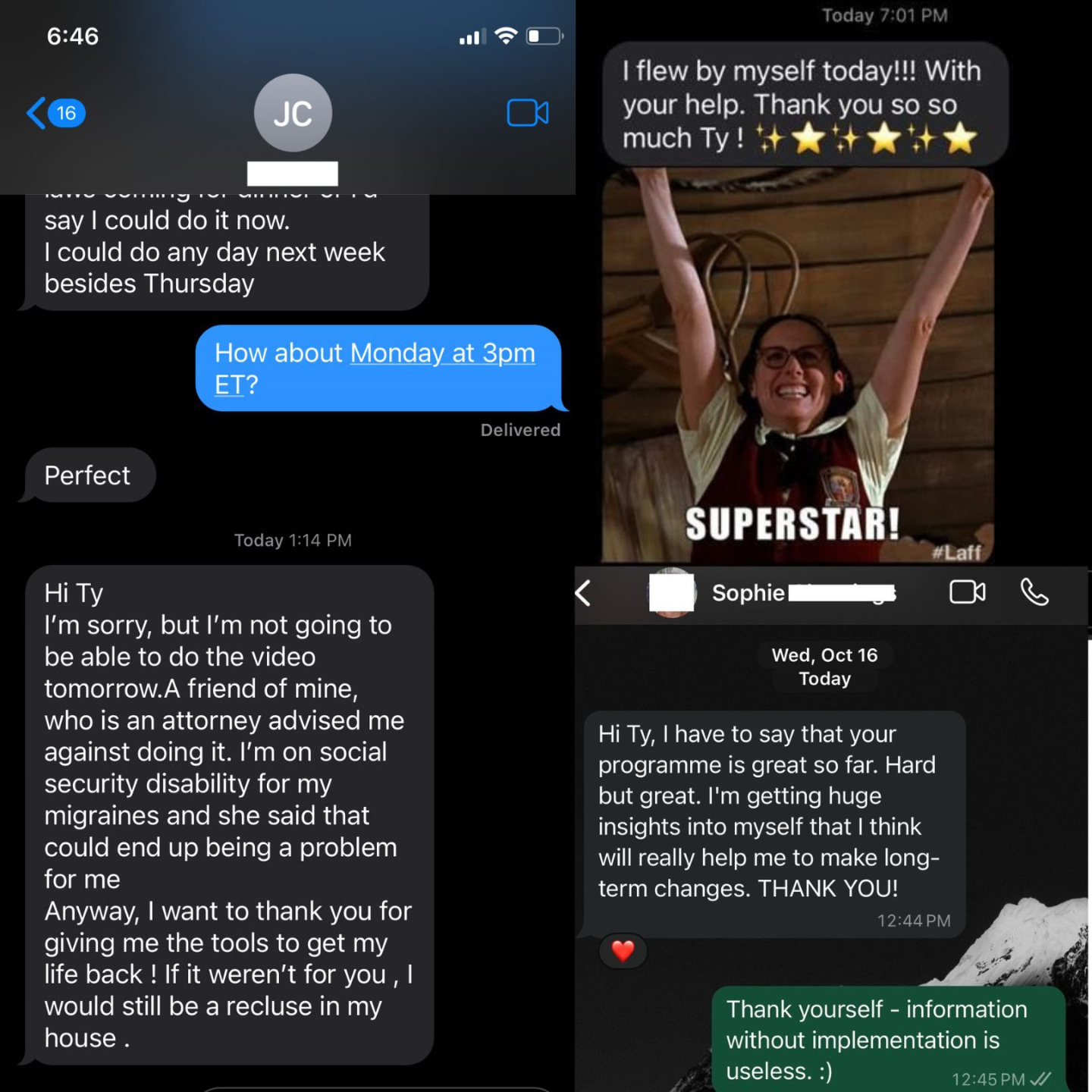
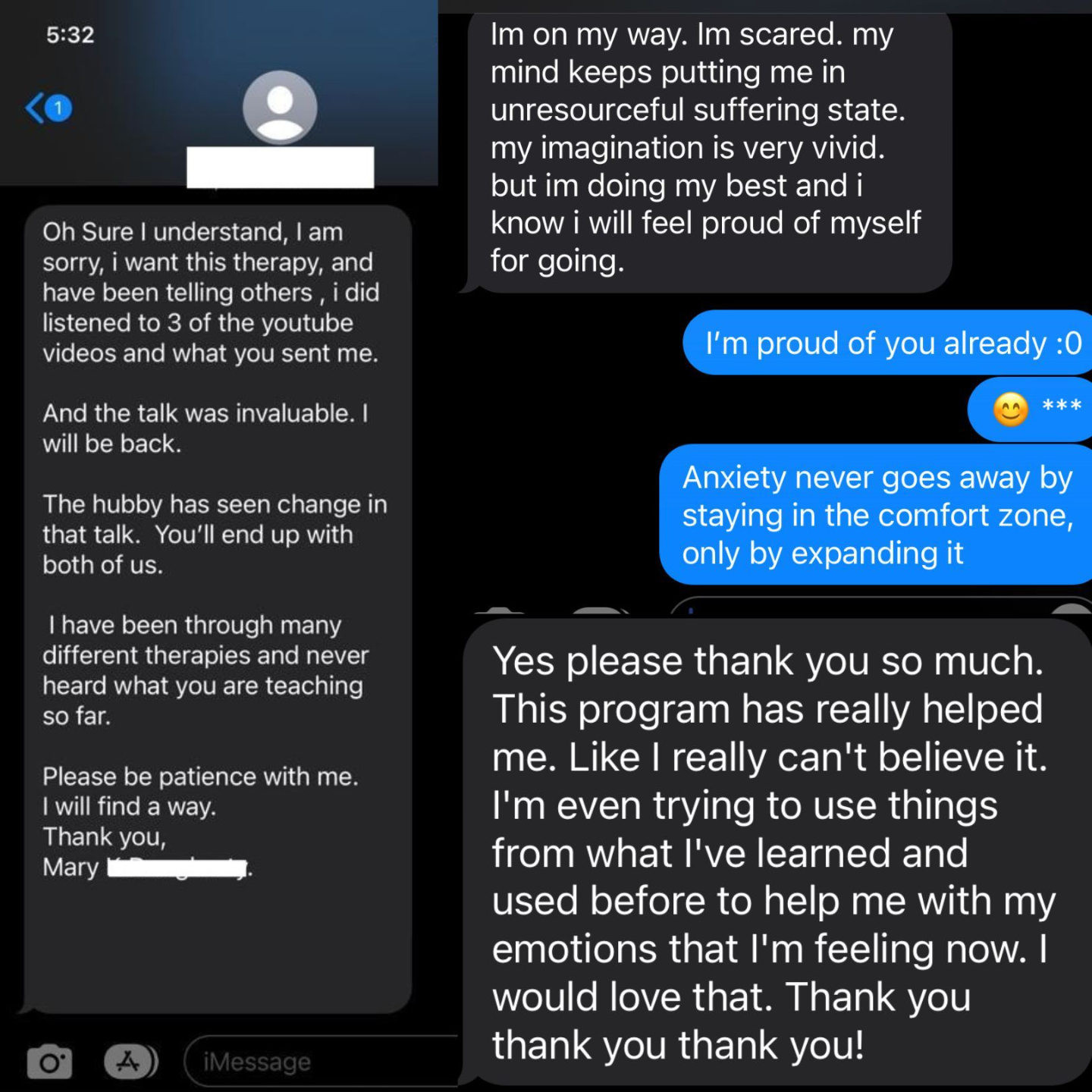
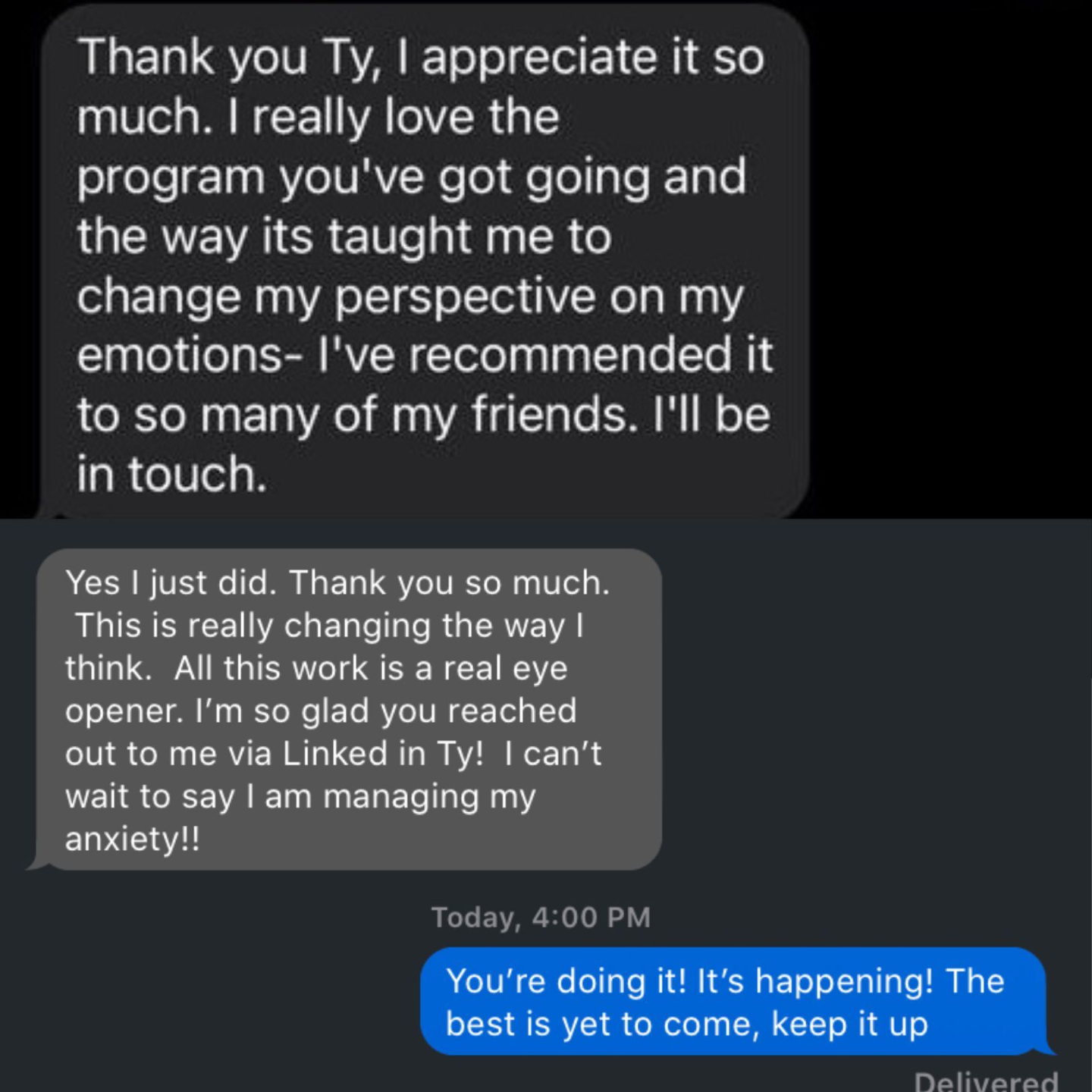
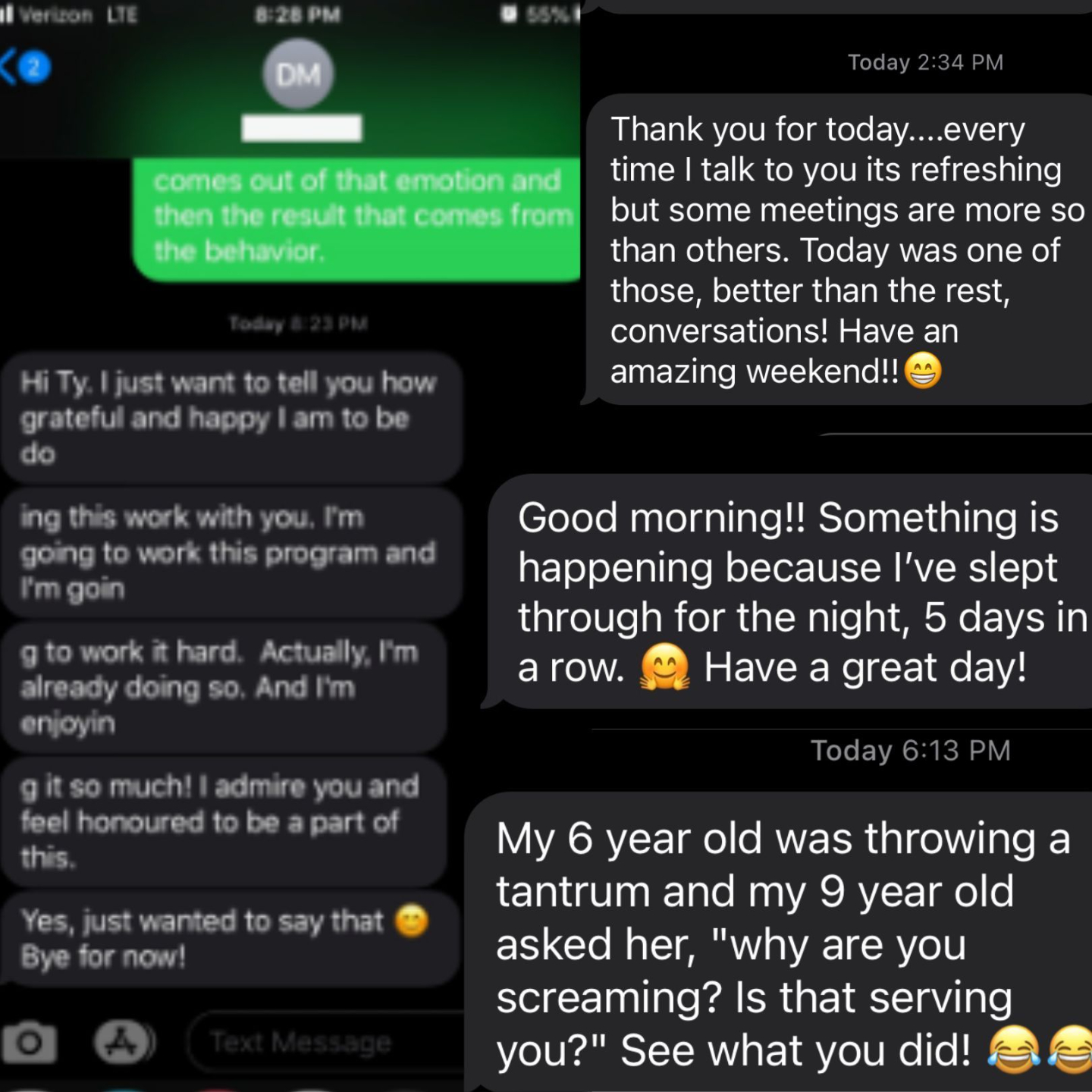
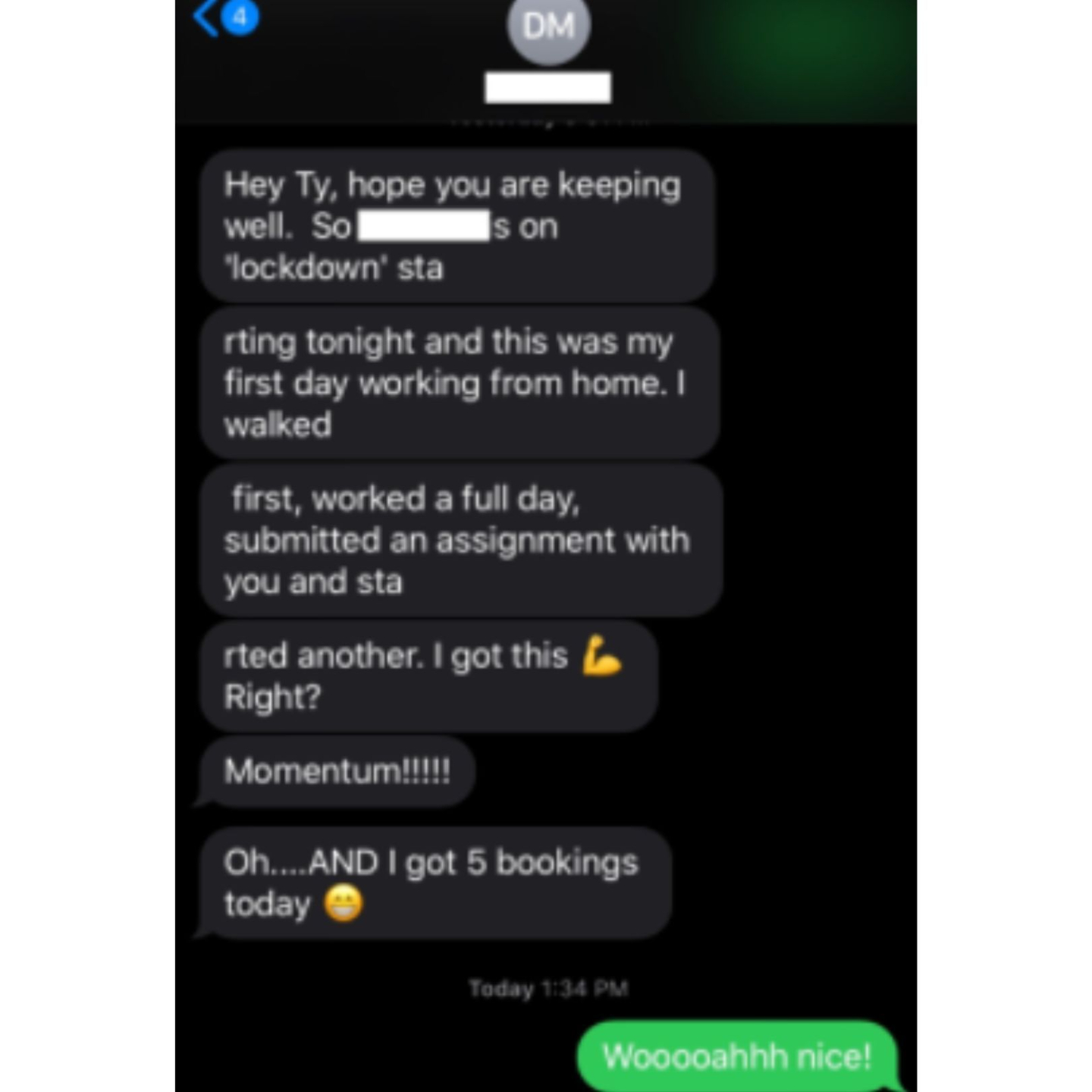
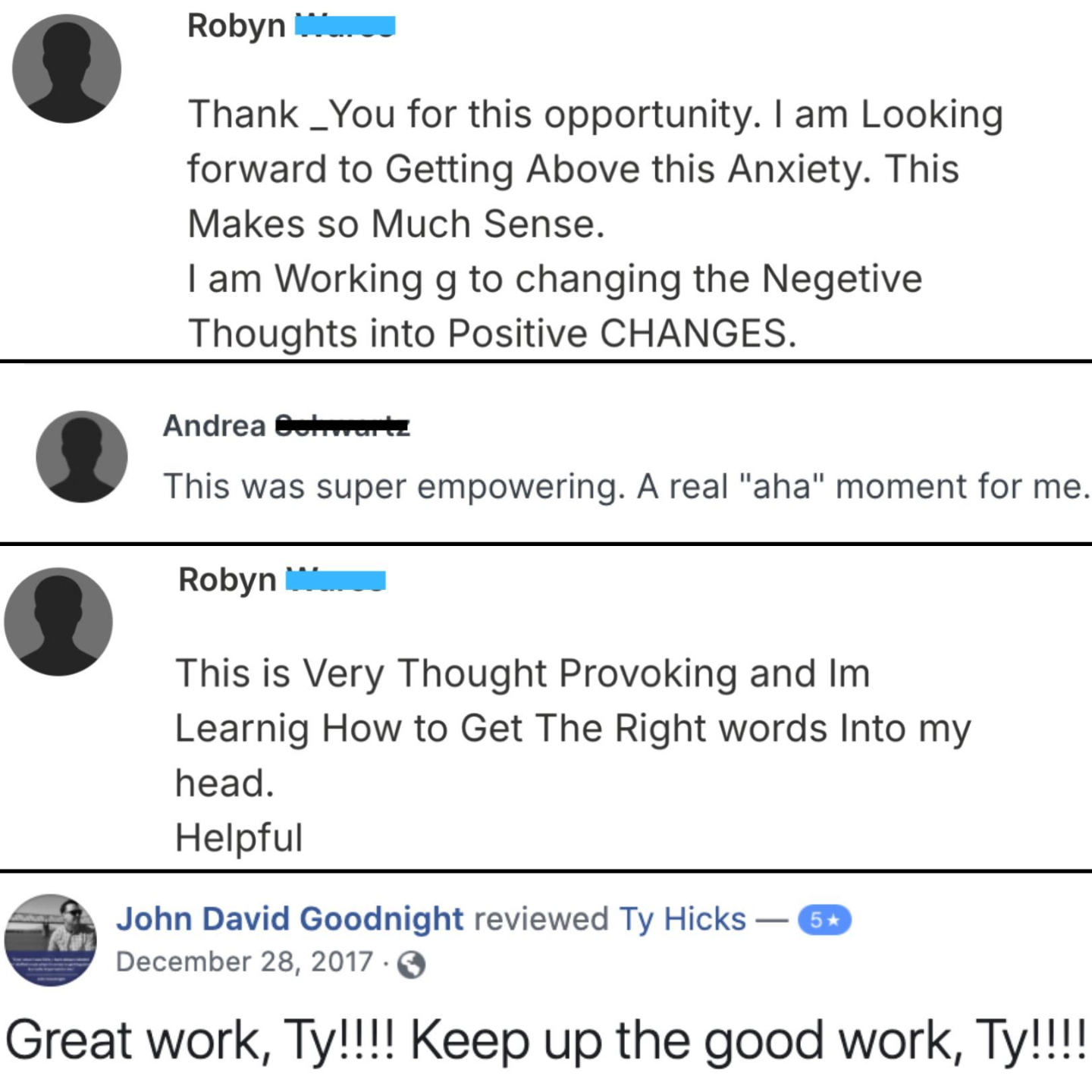
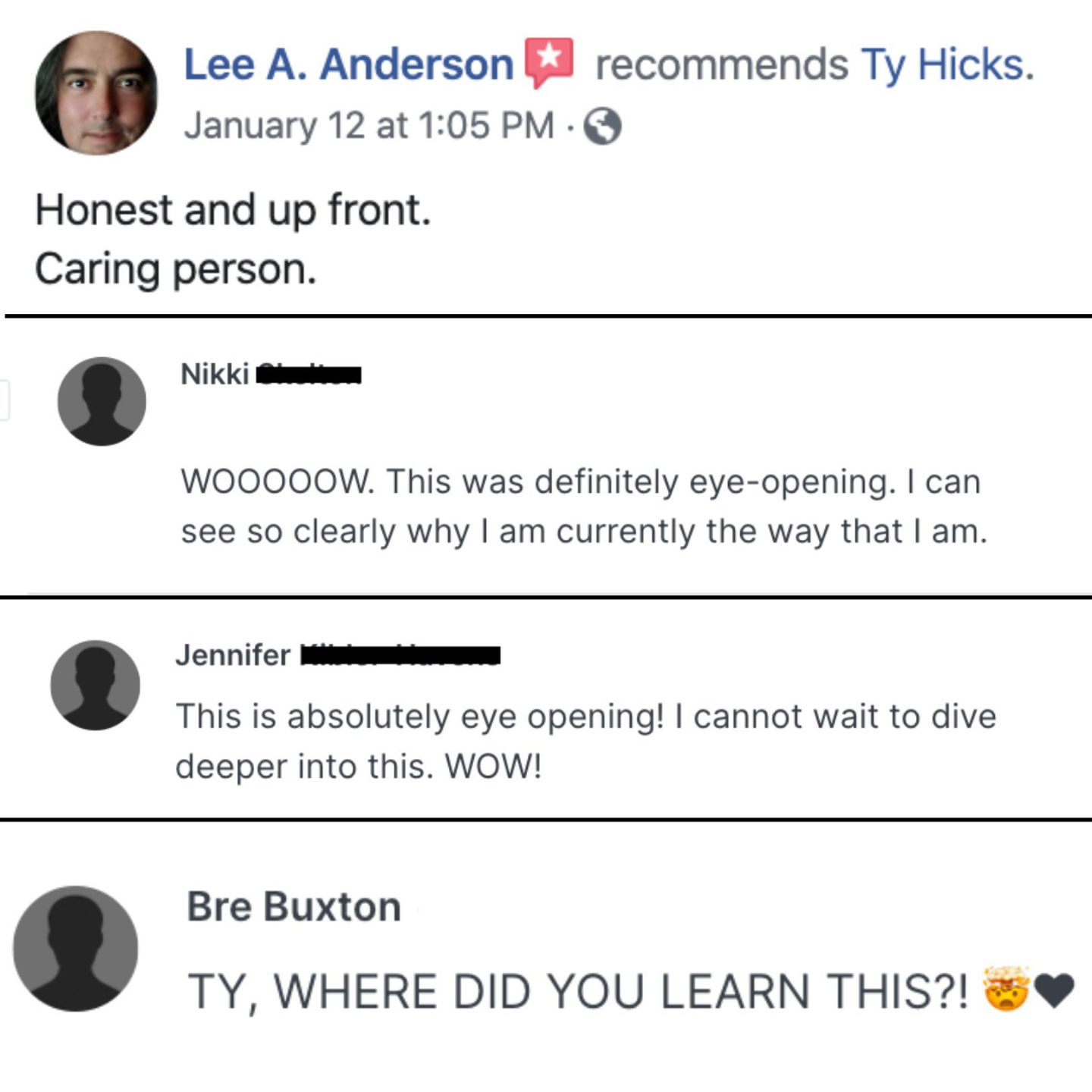
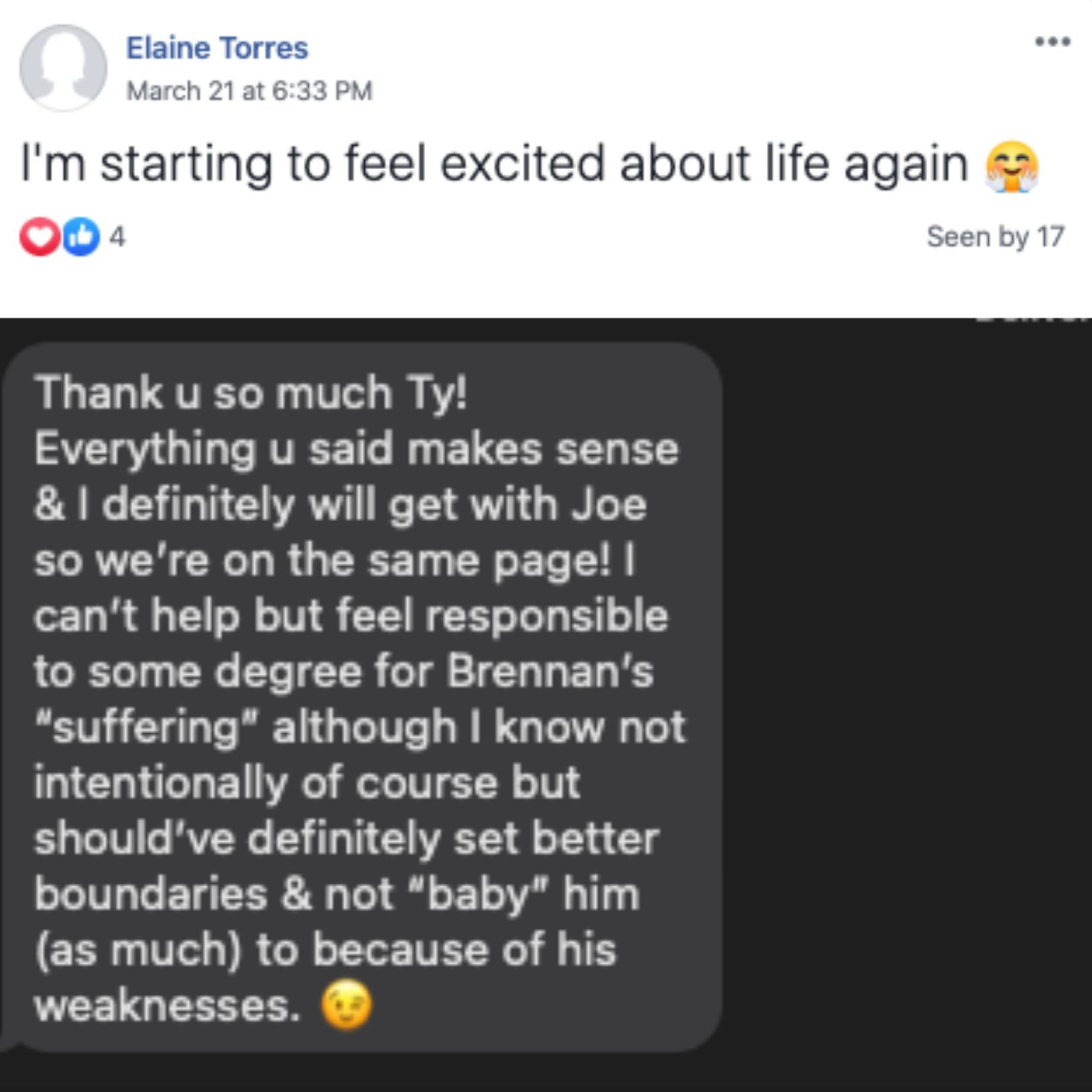
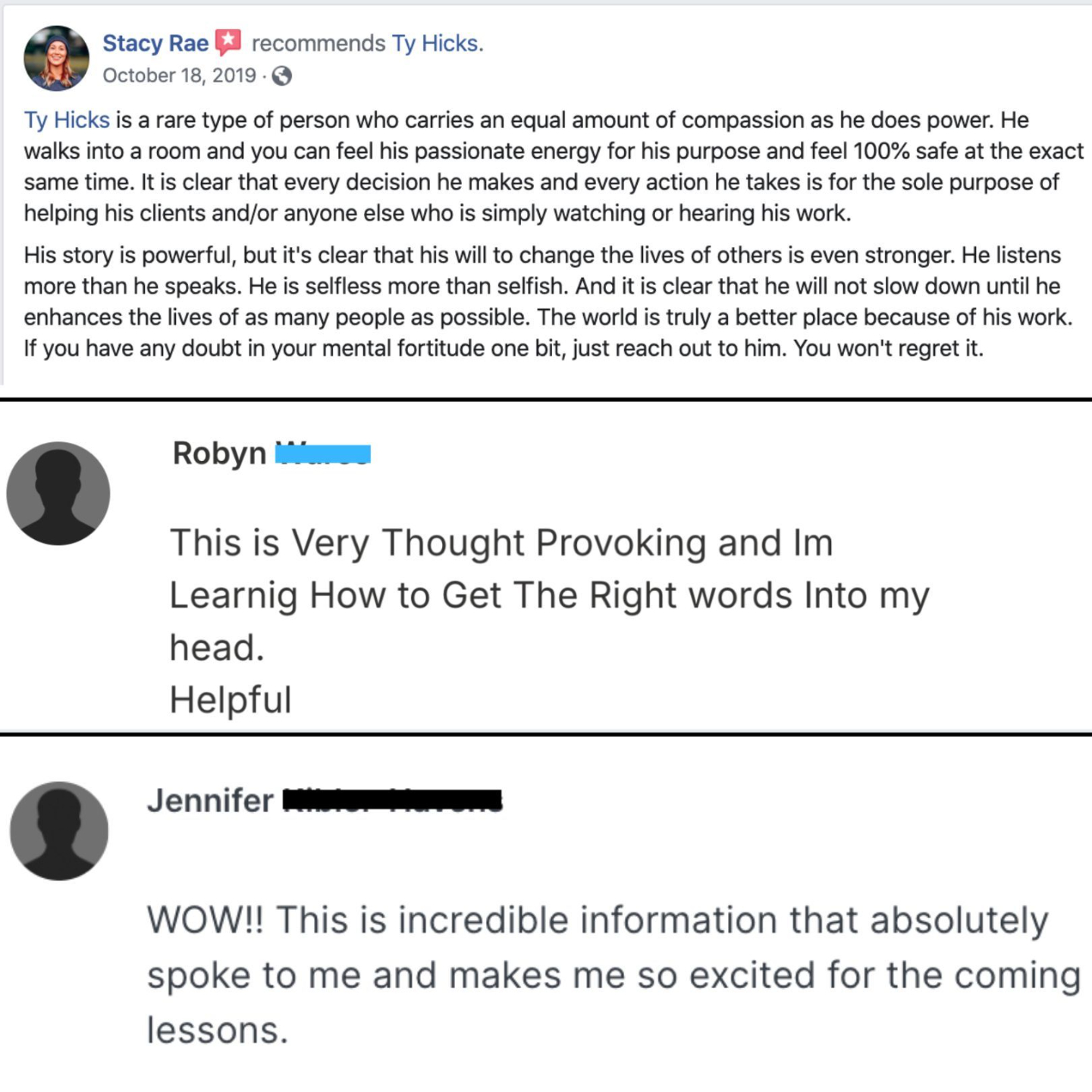
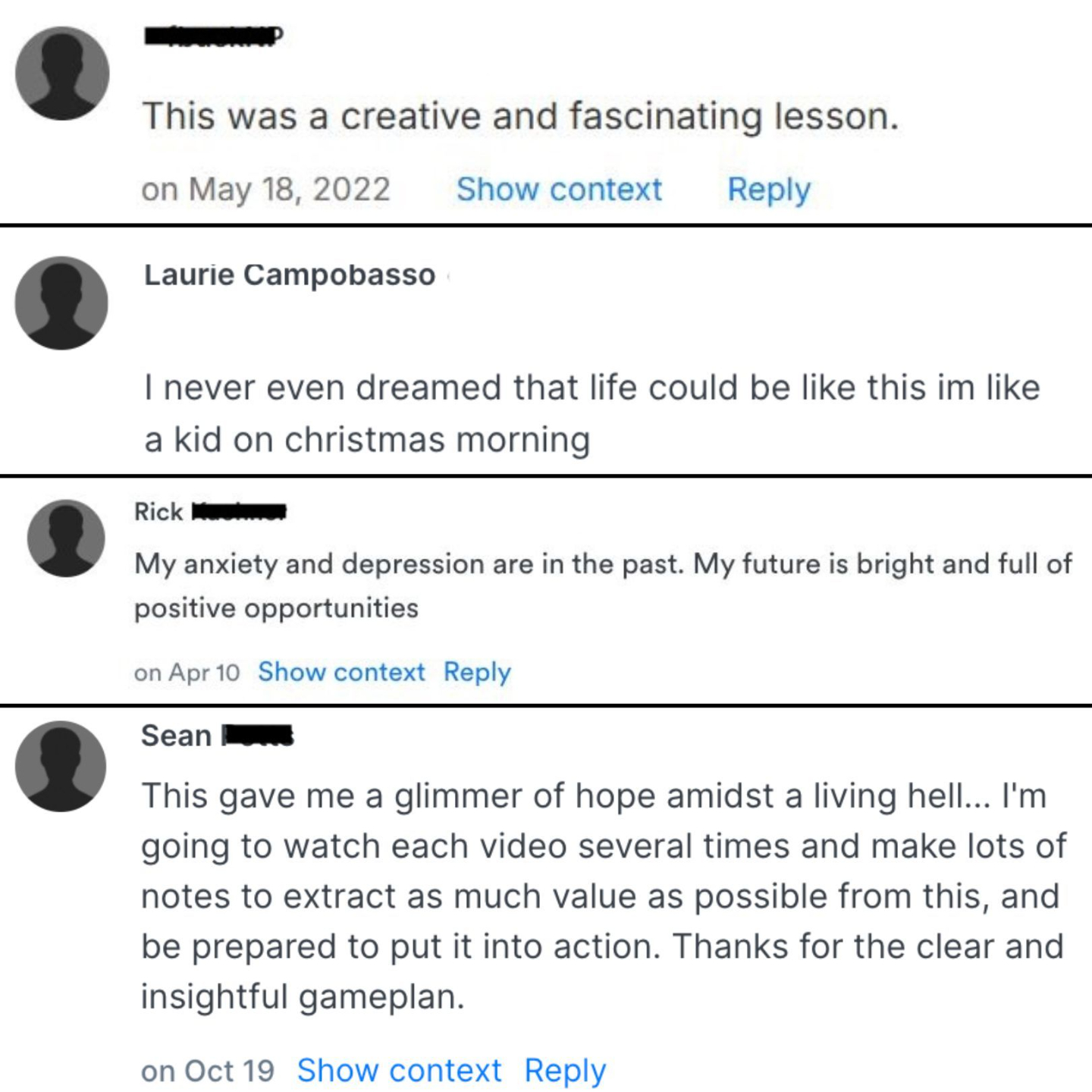
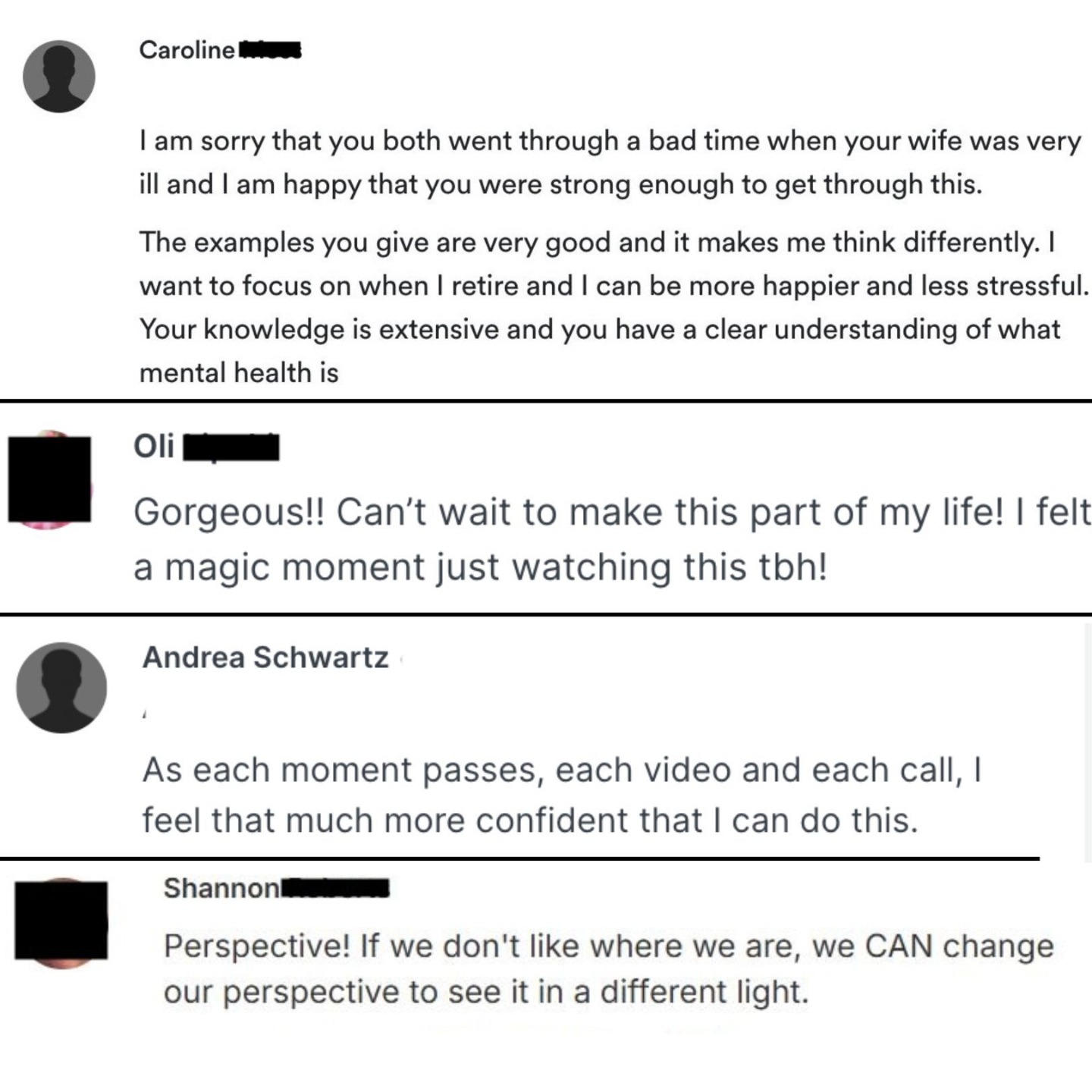
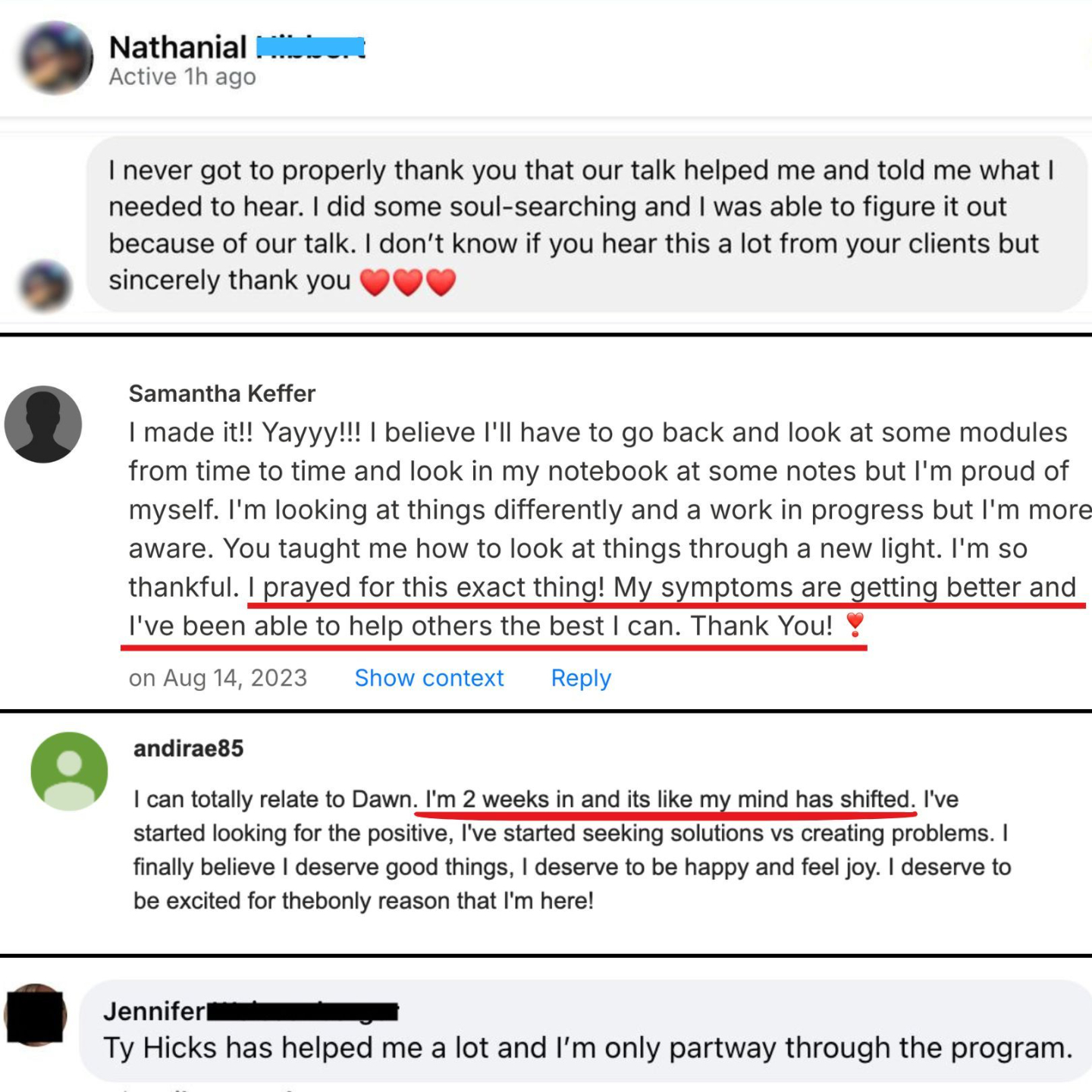
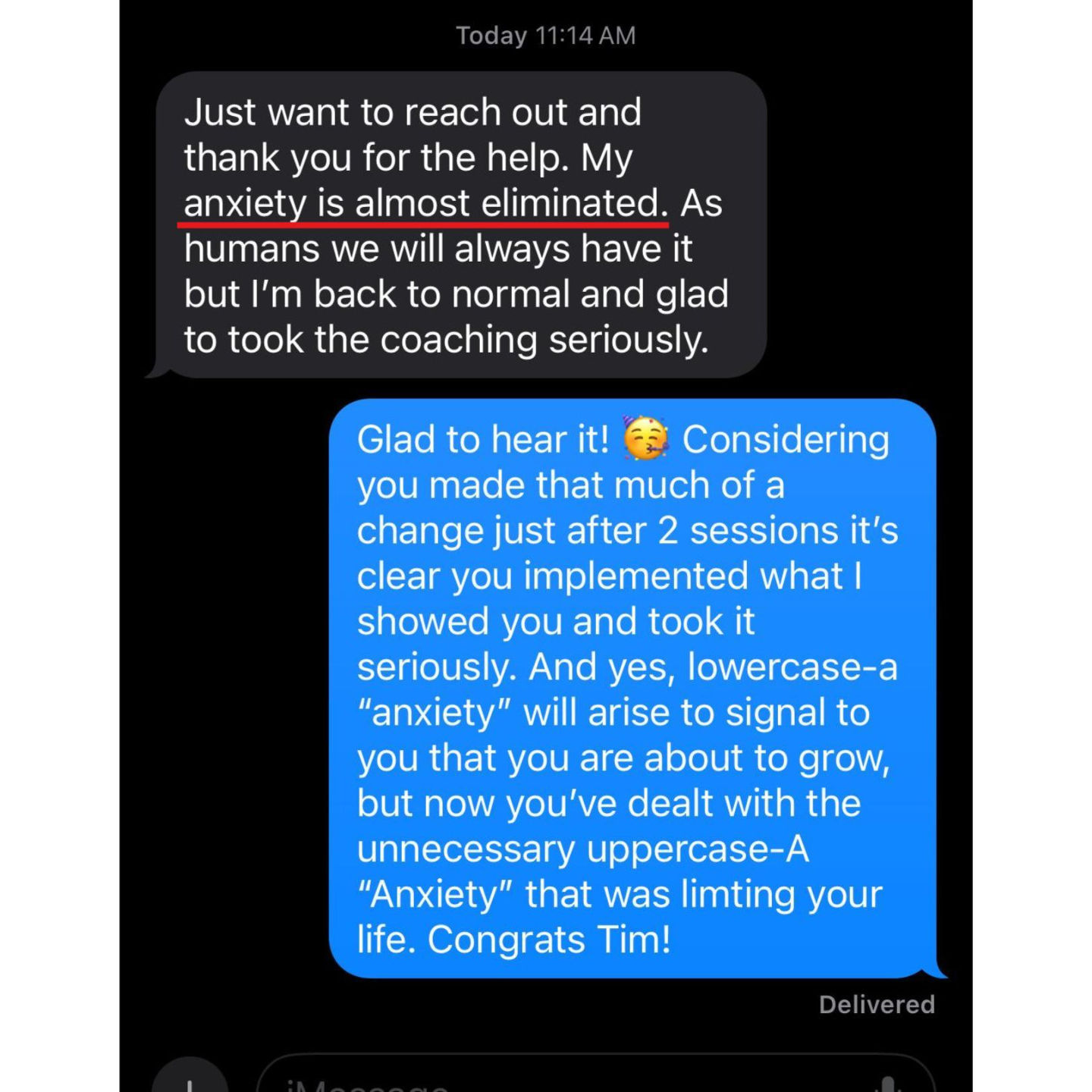
What do our clients have to say?

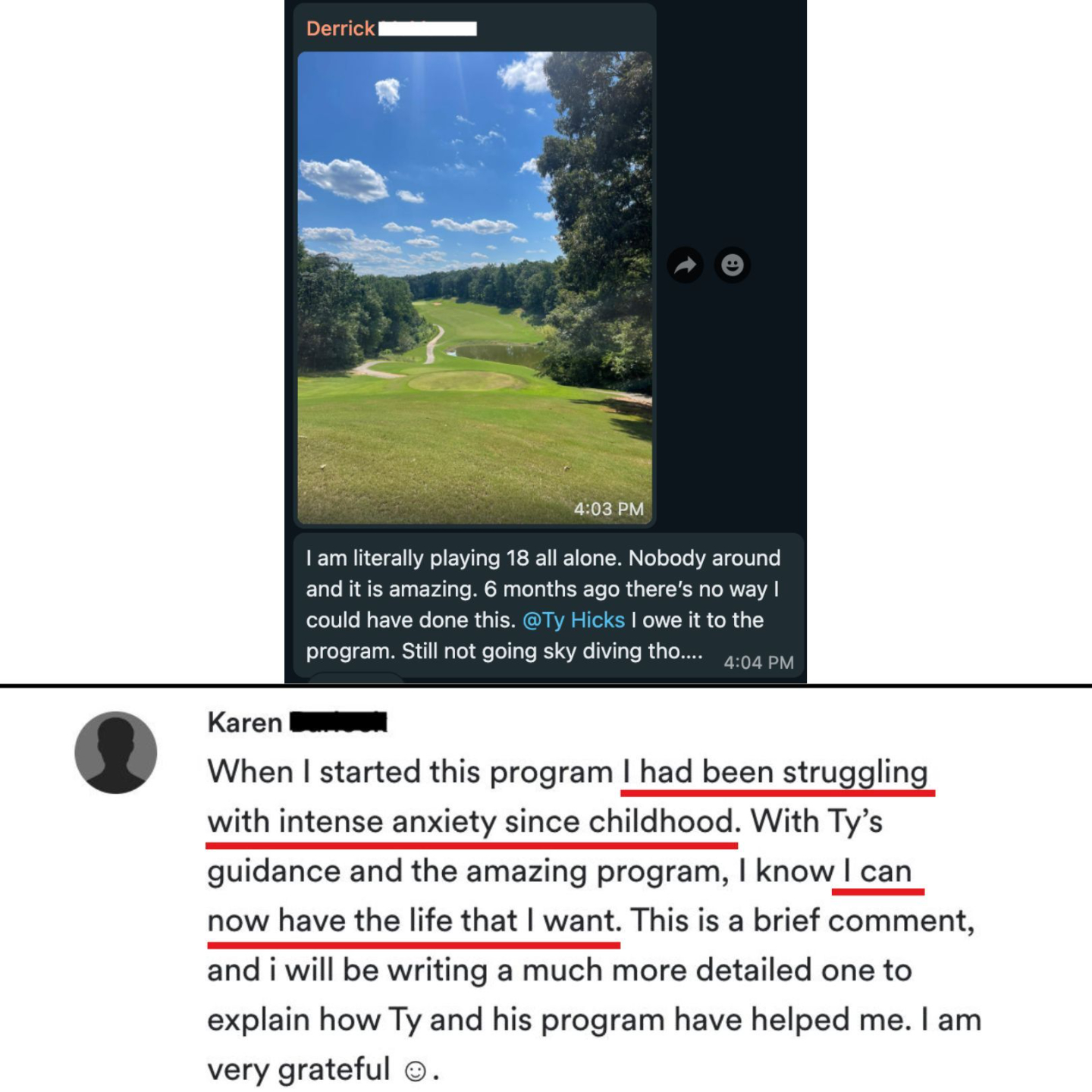
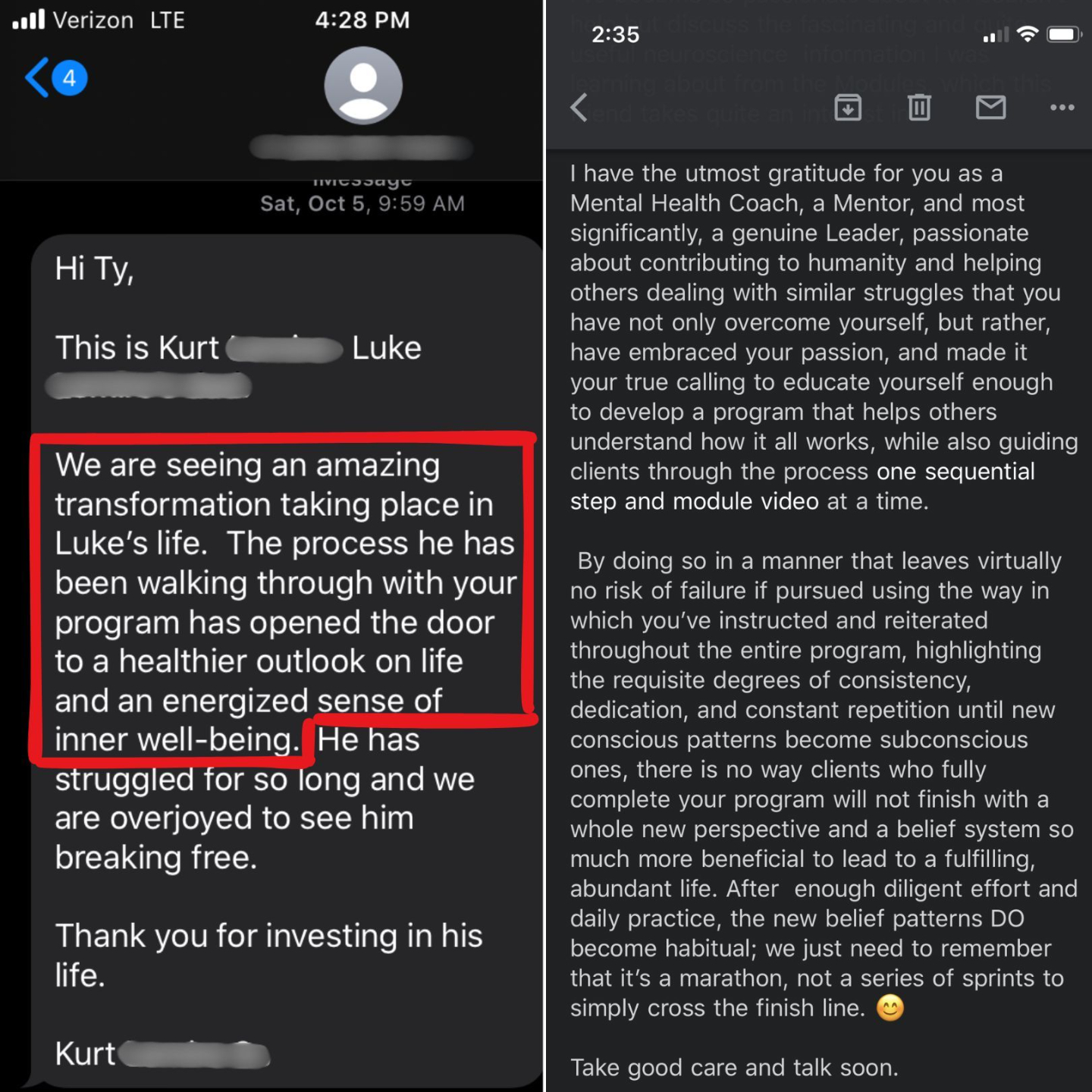
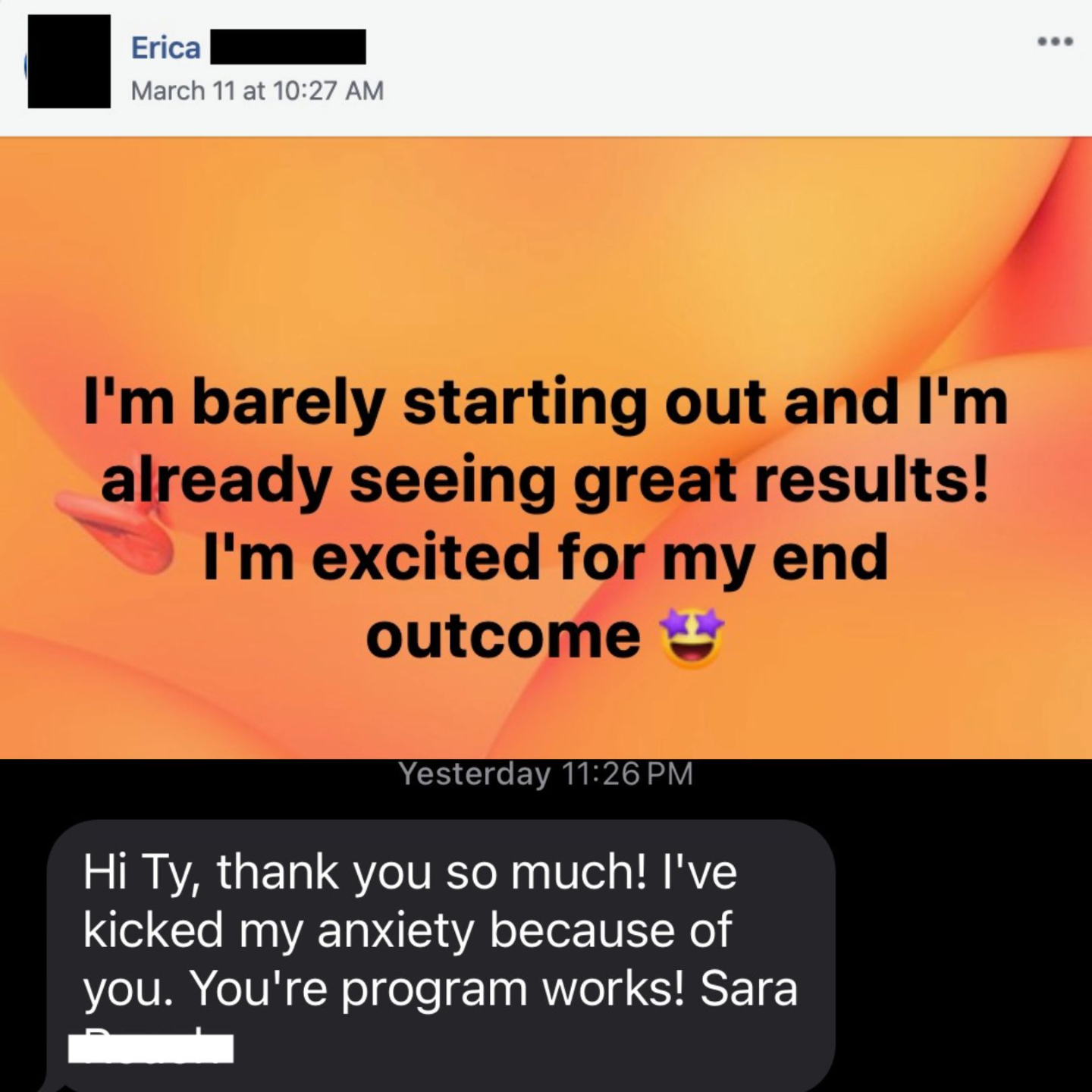
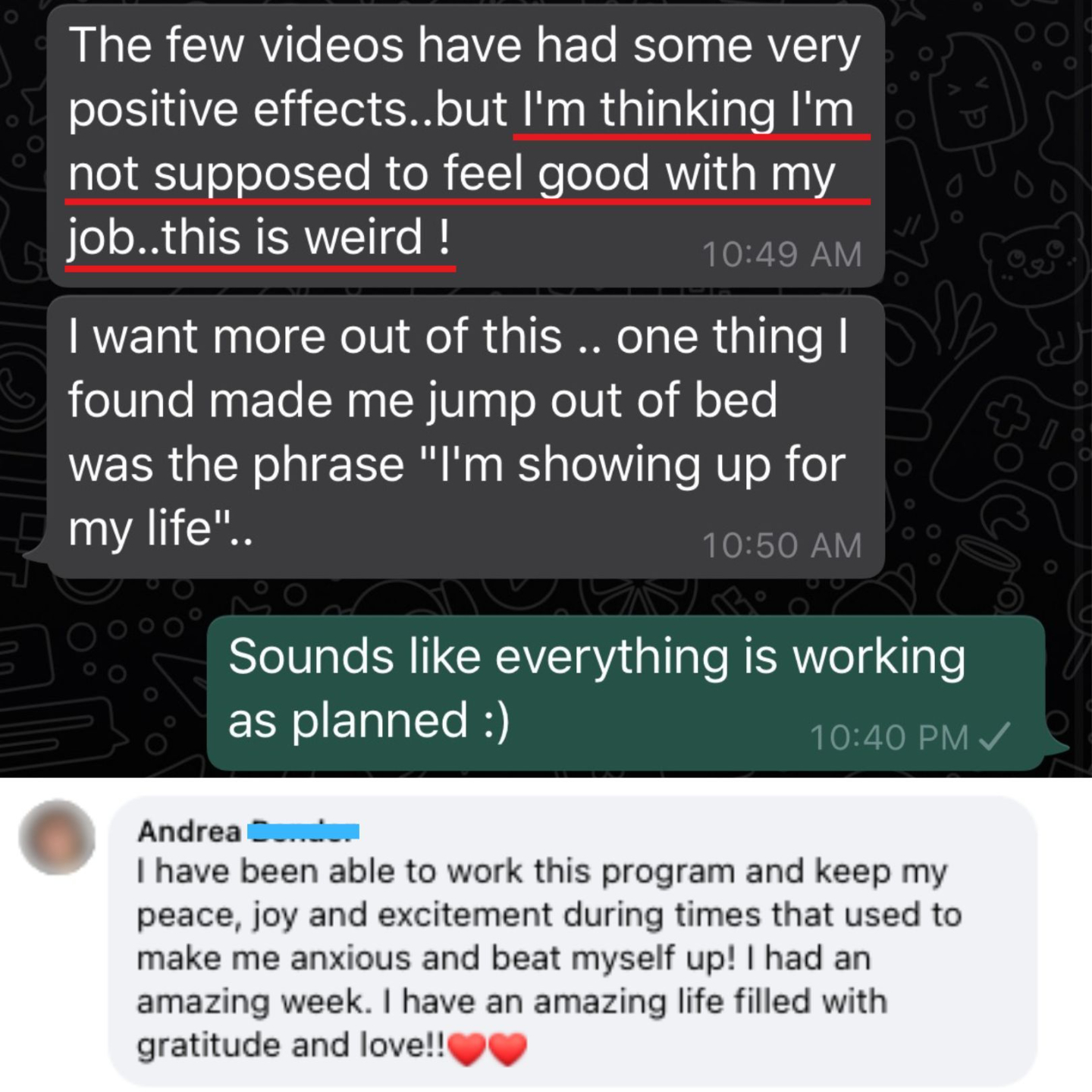
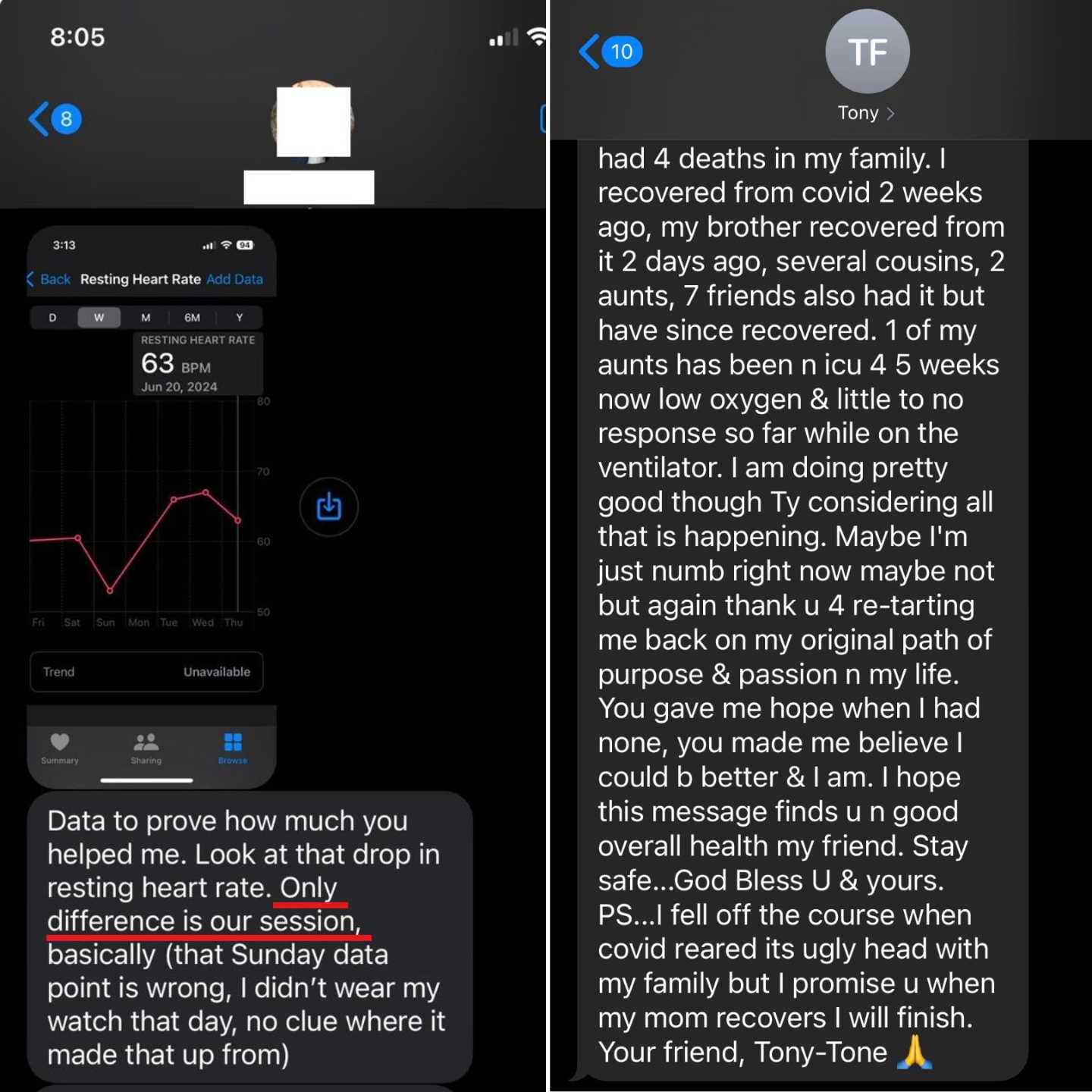
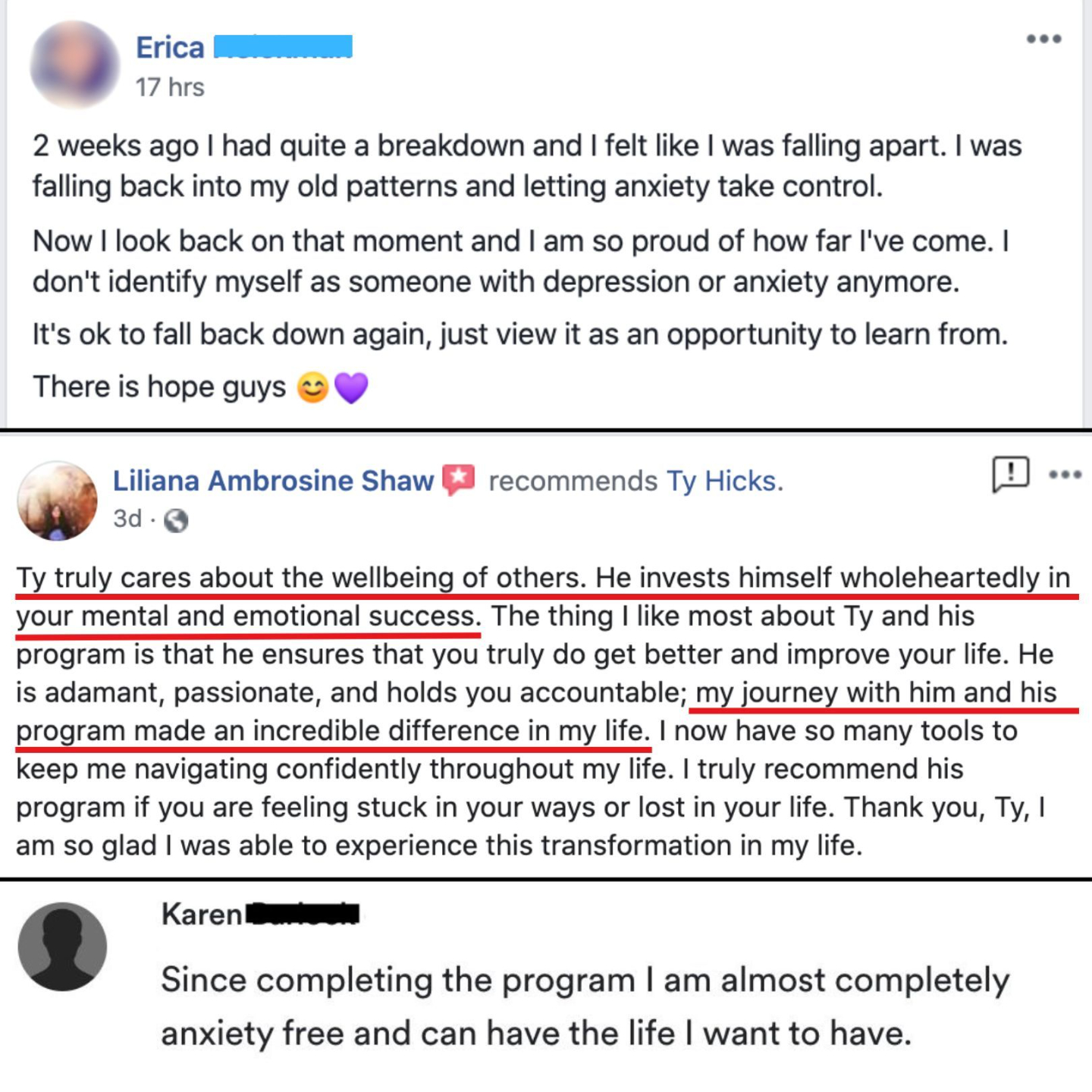
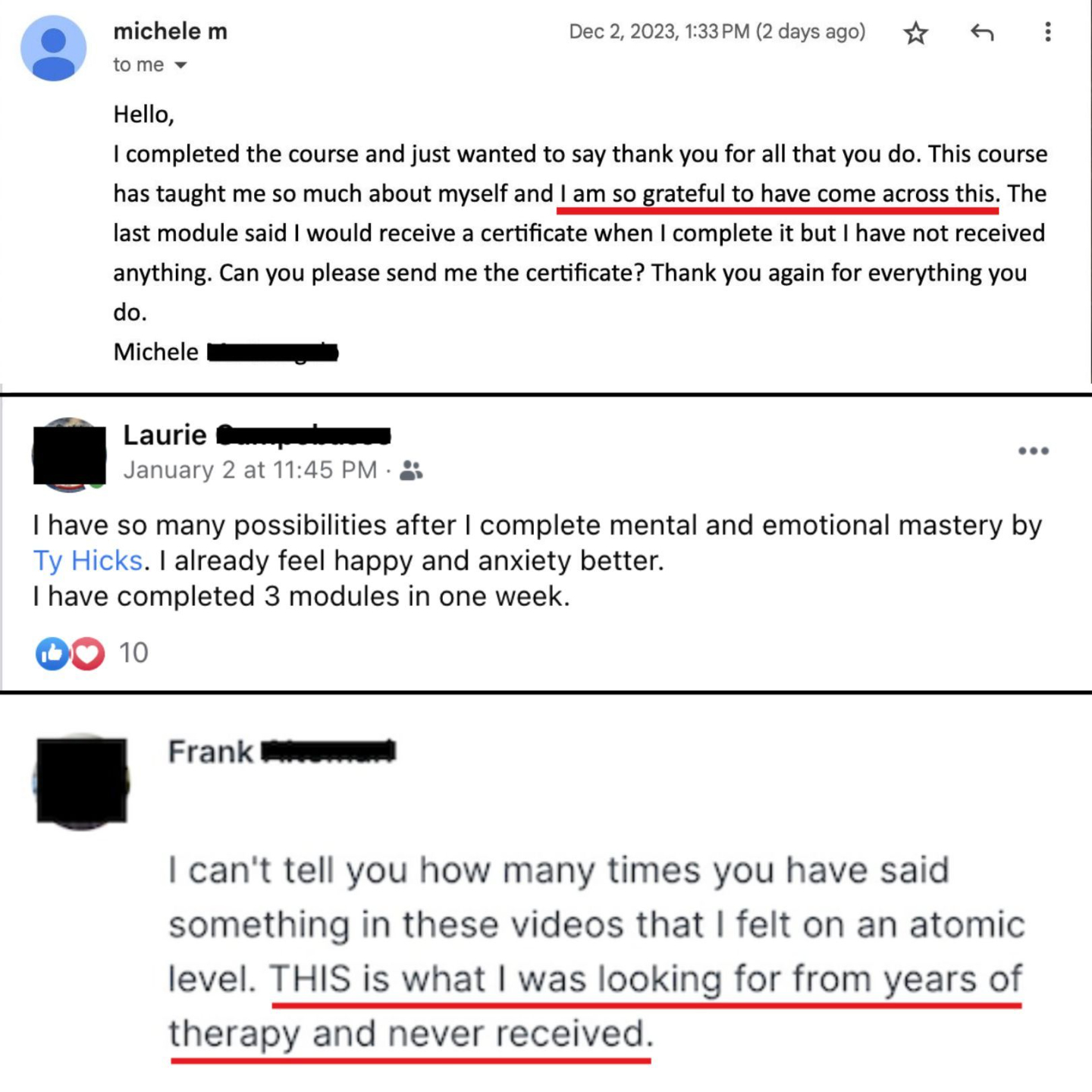
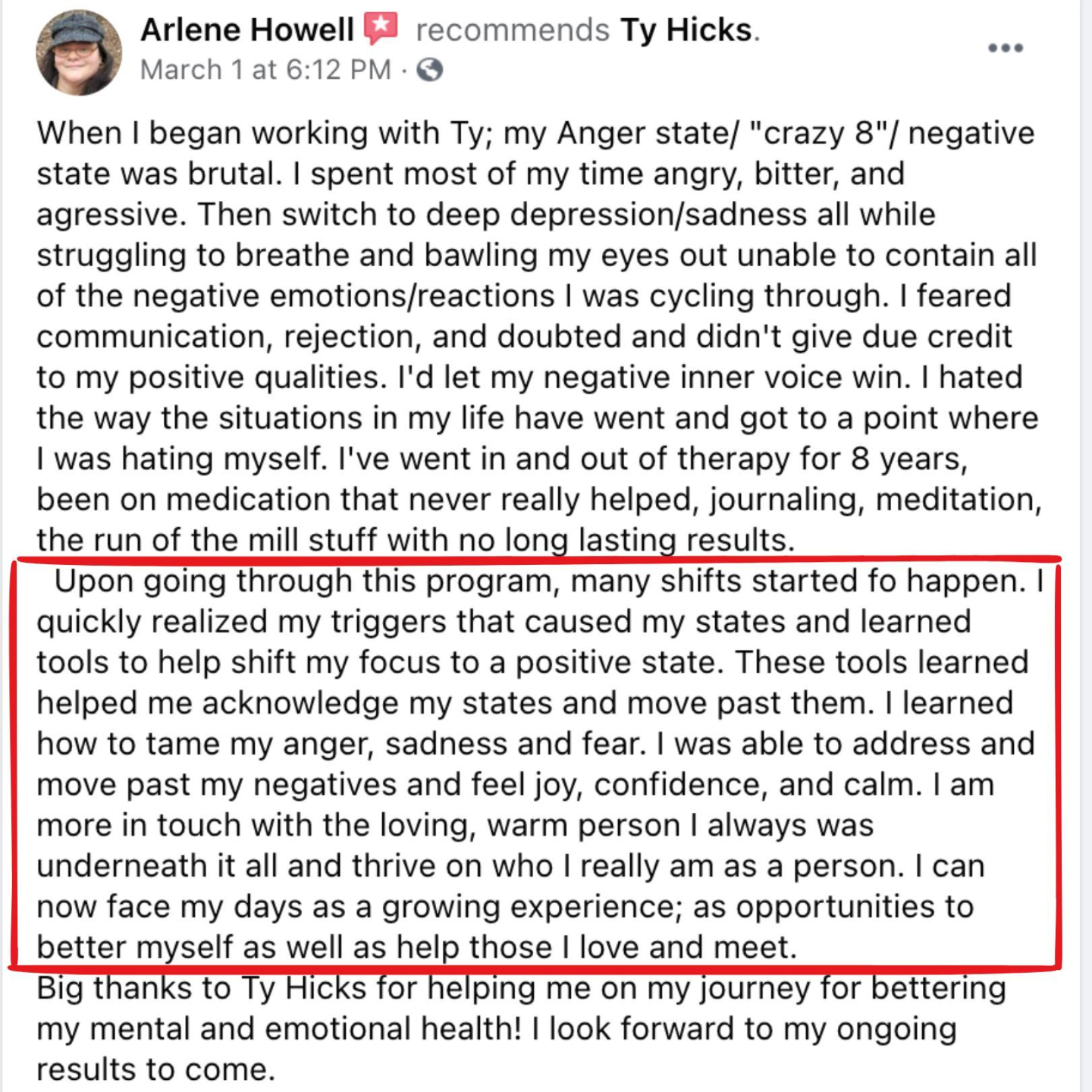
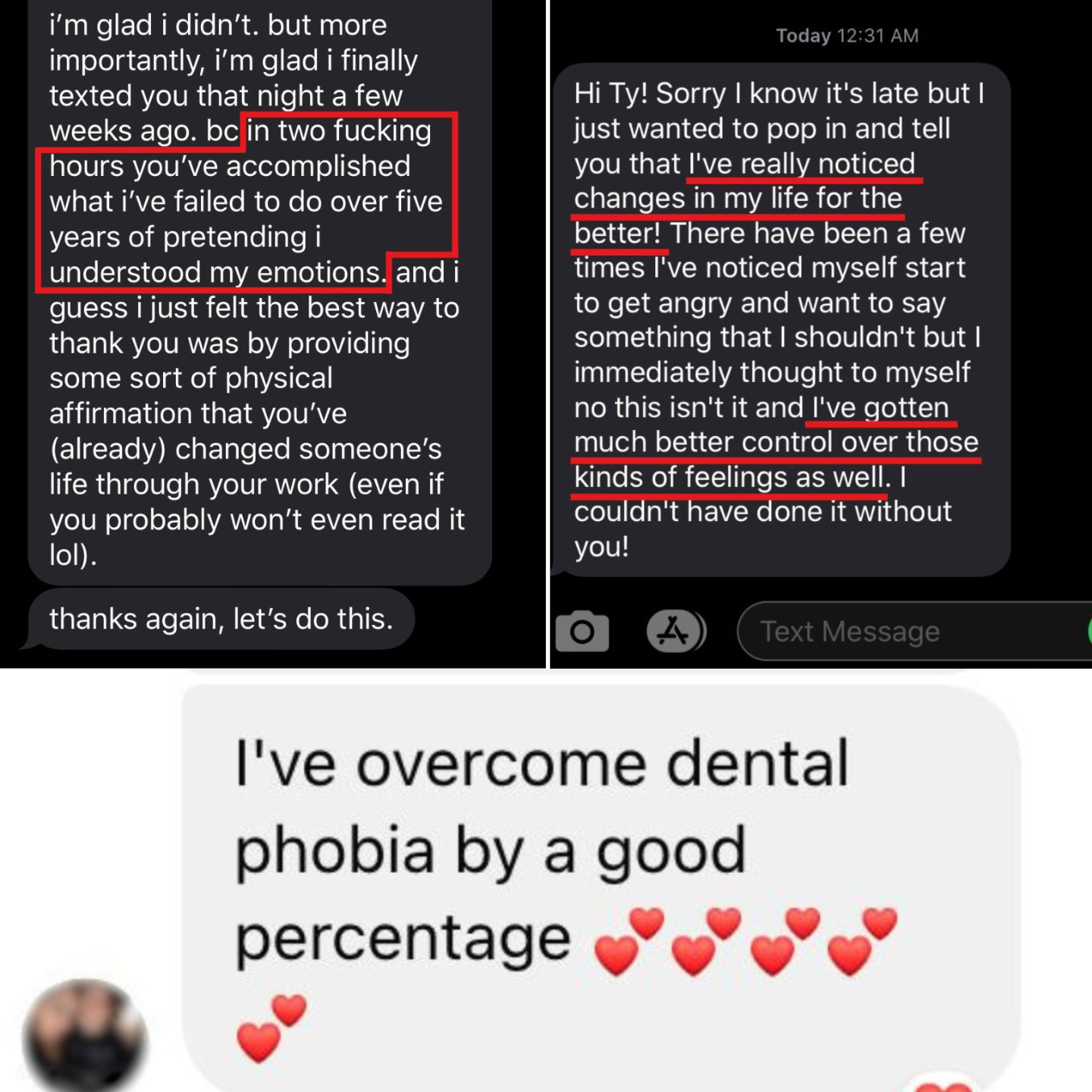
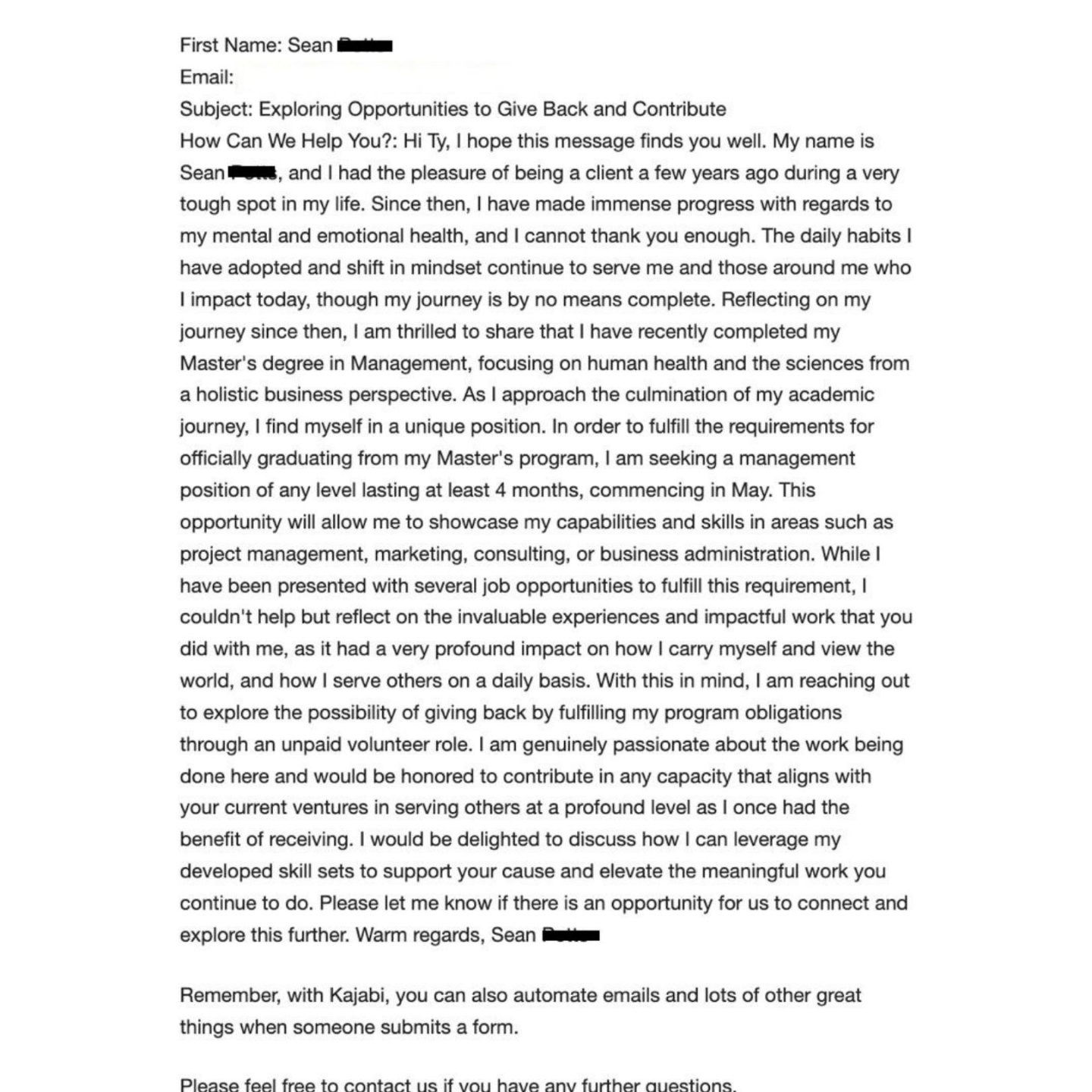
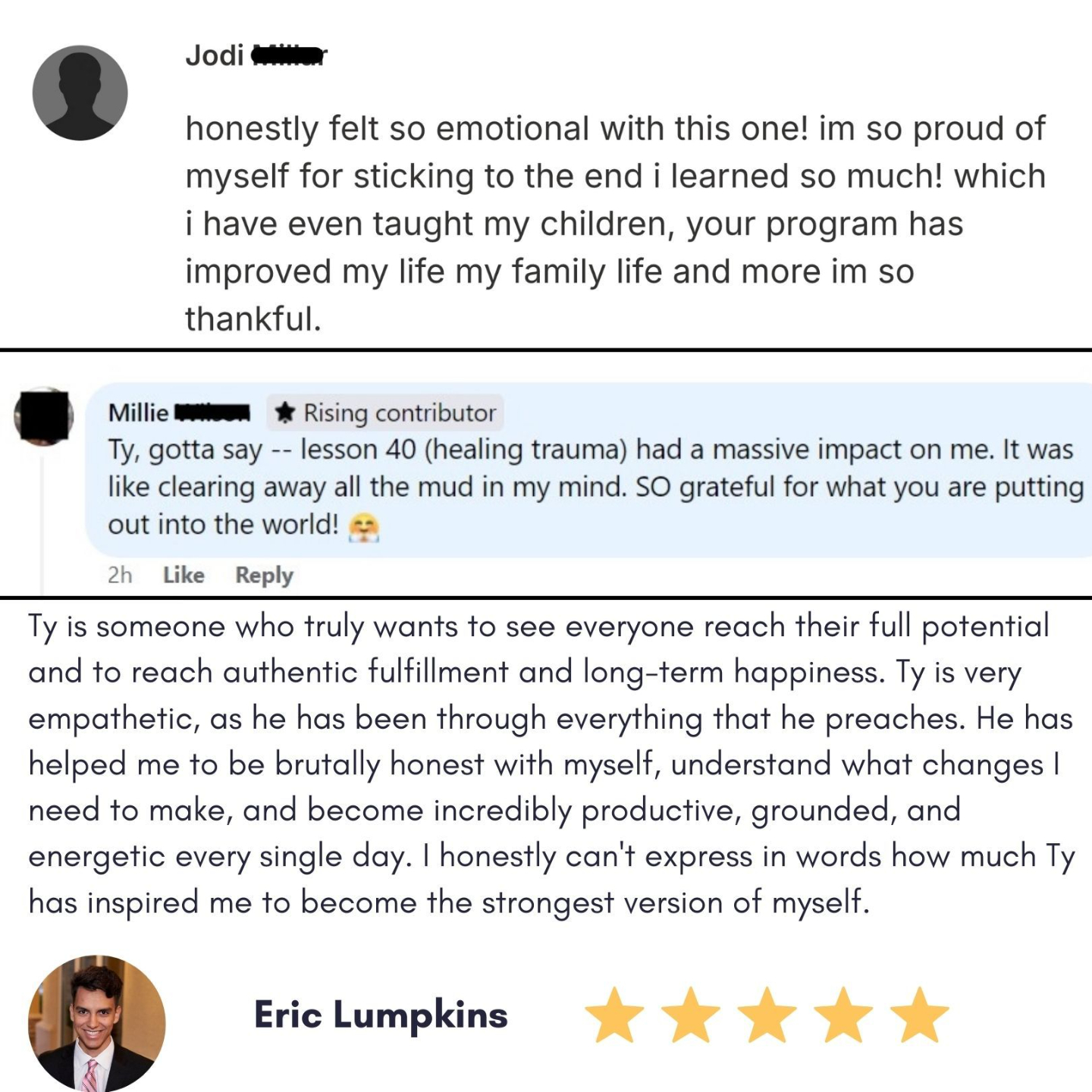
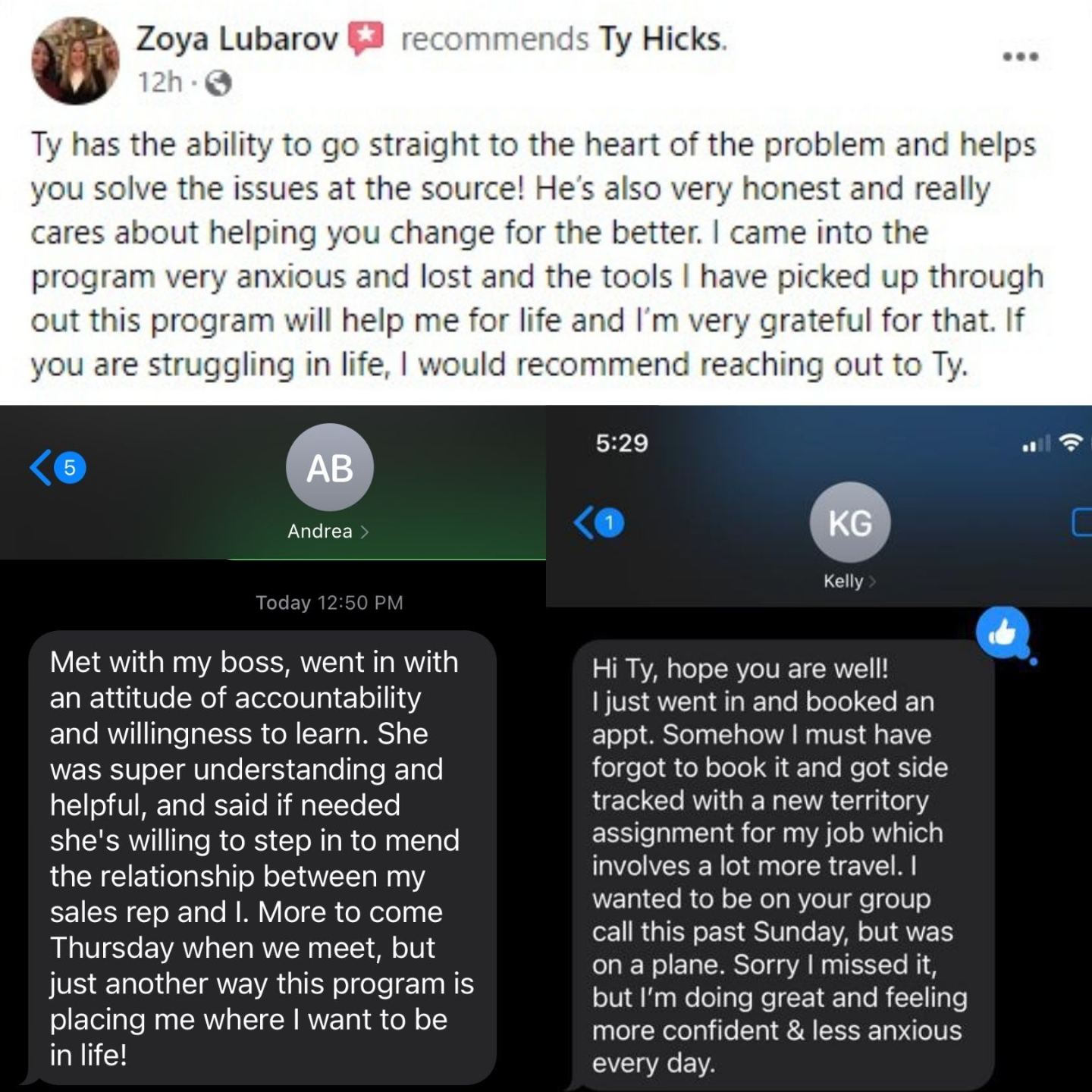
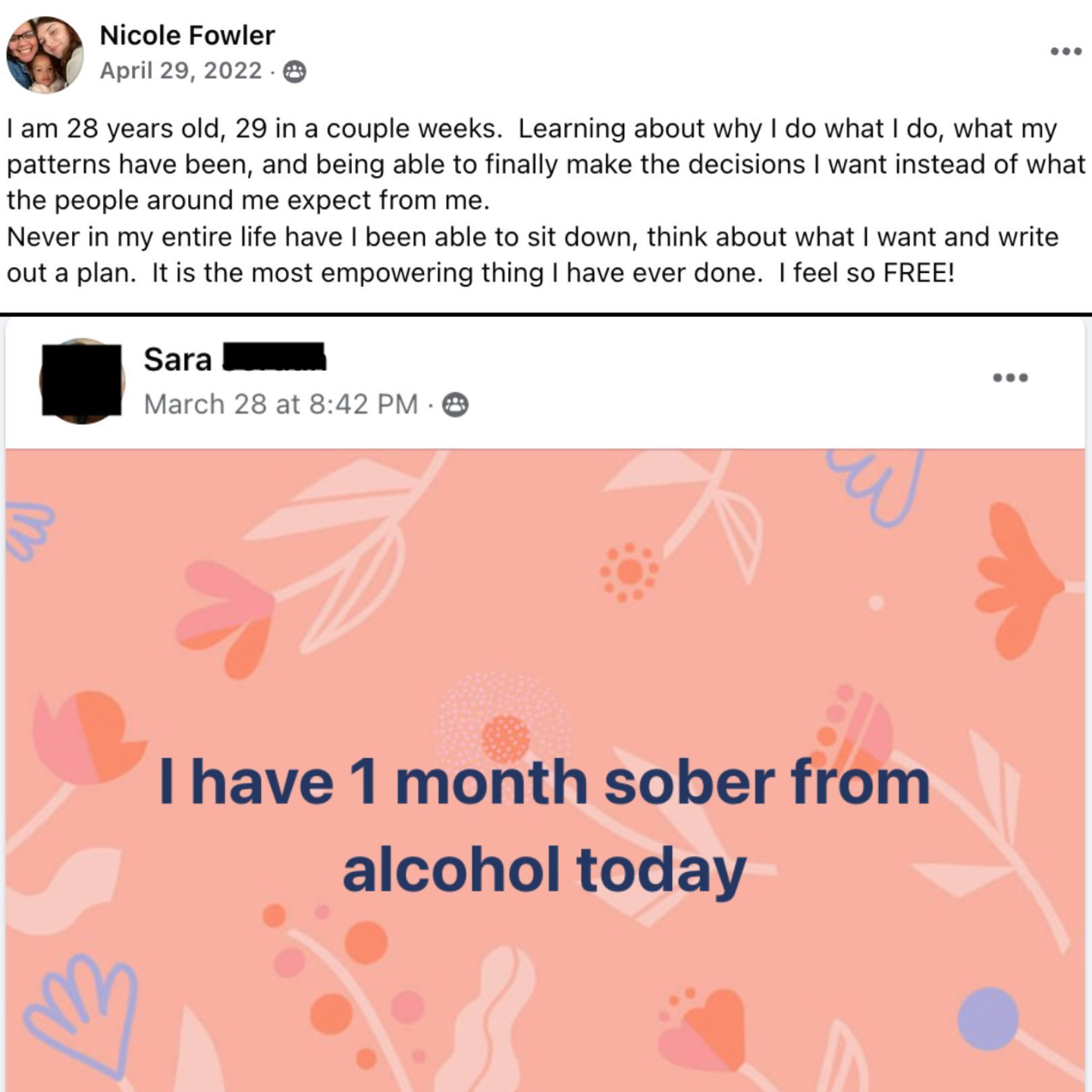
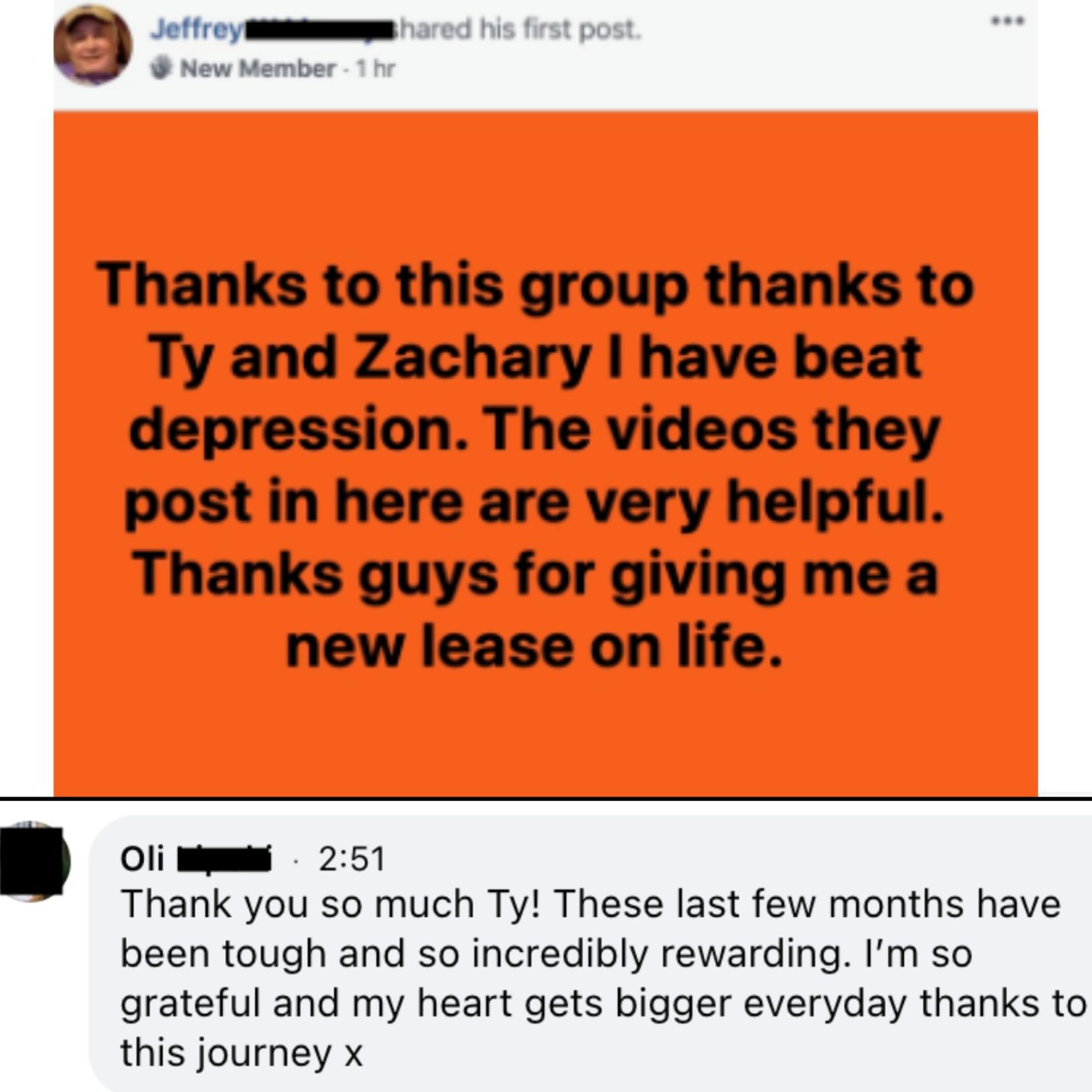
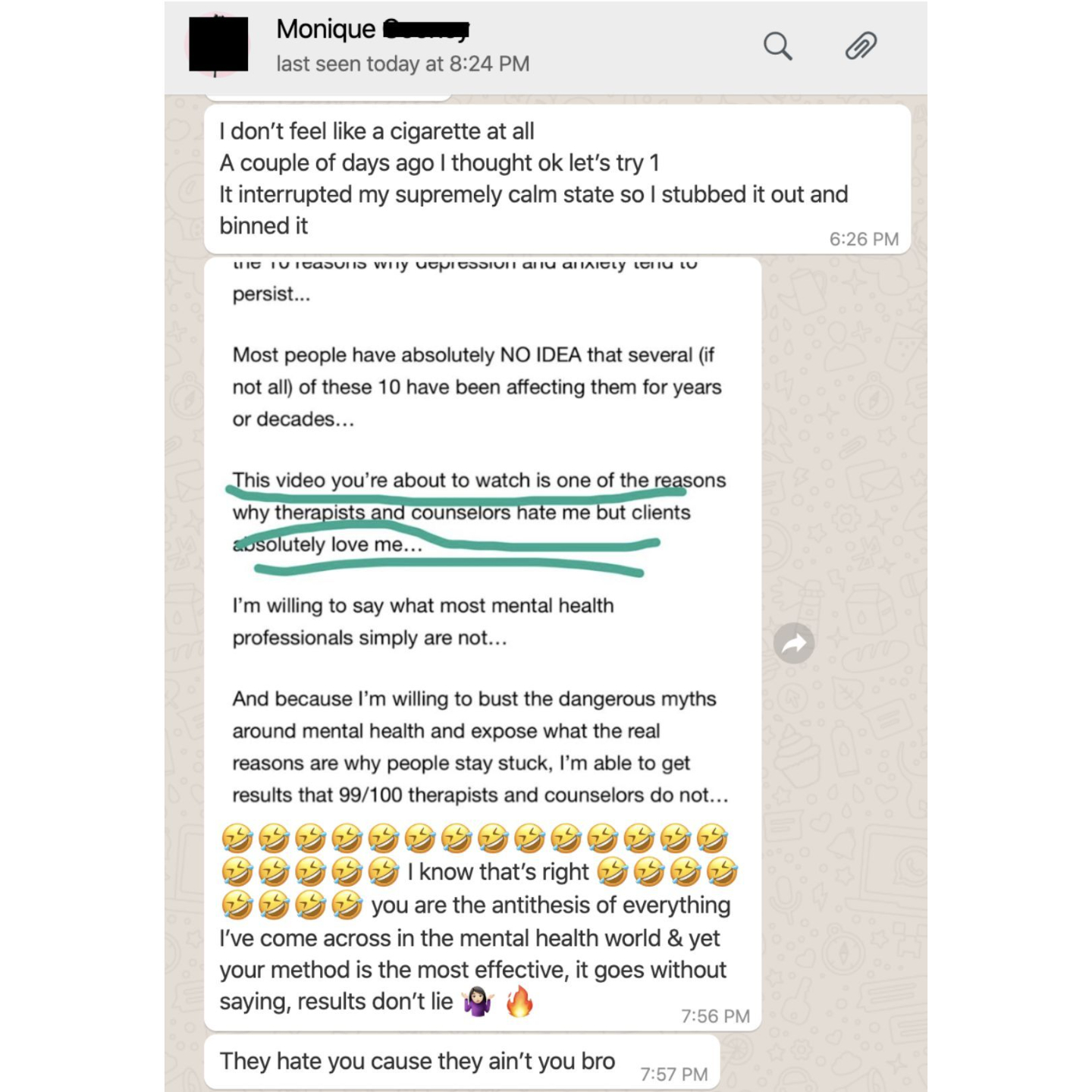
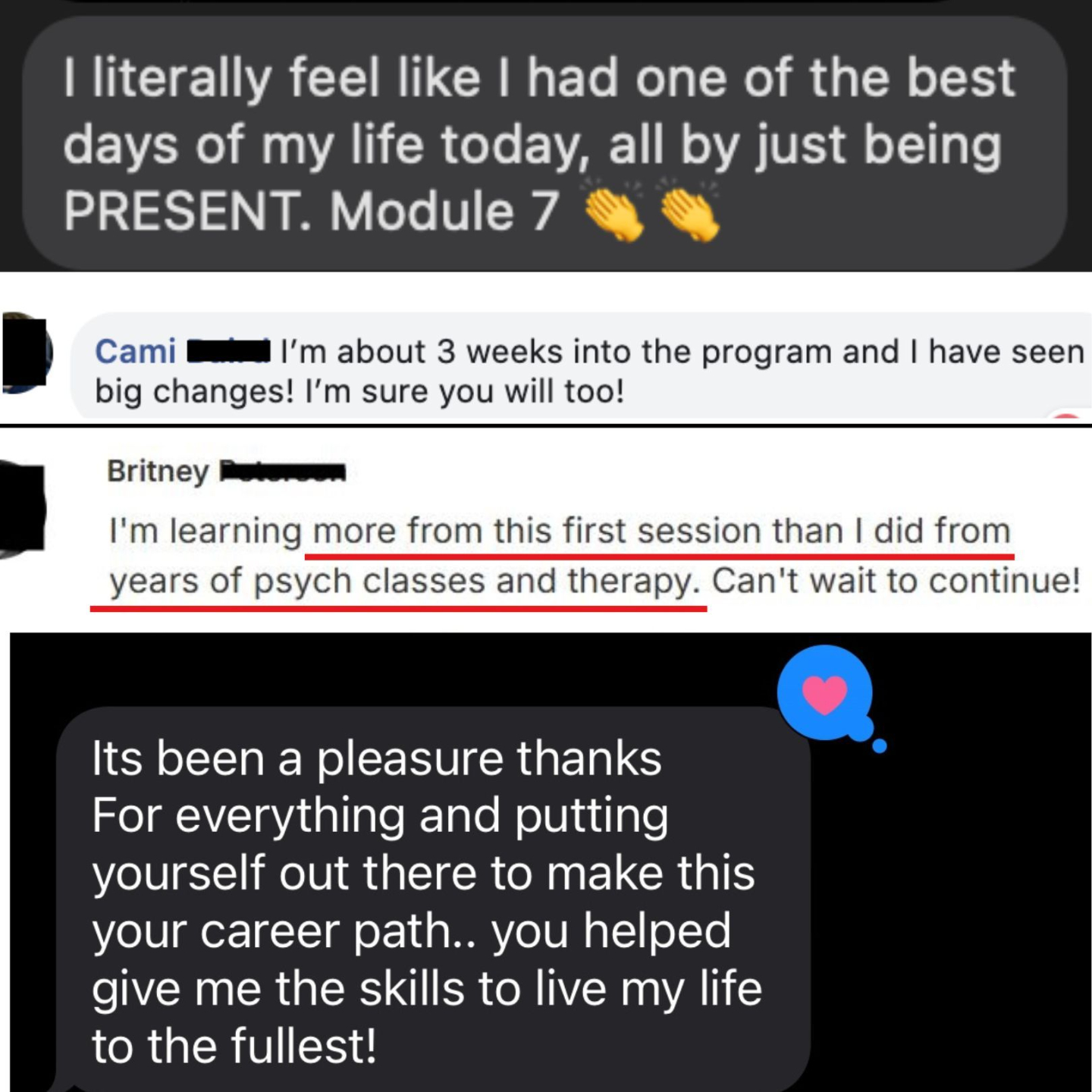
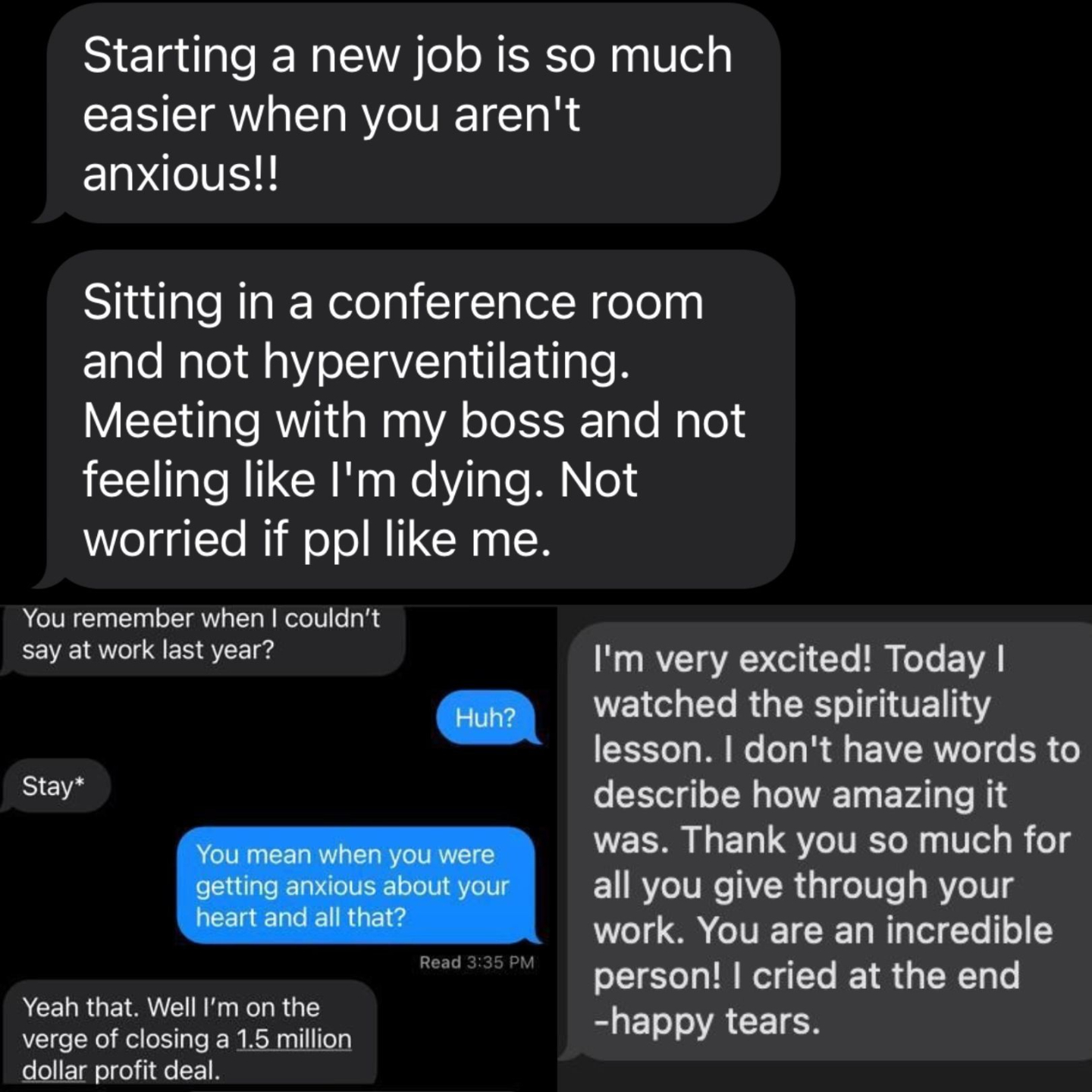
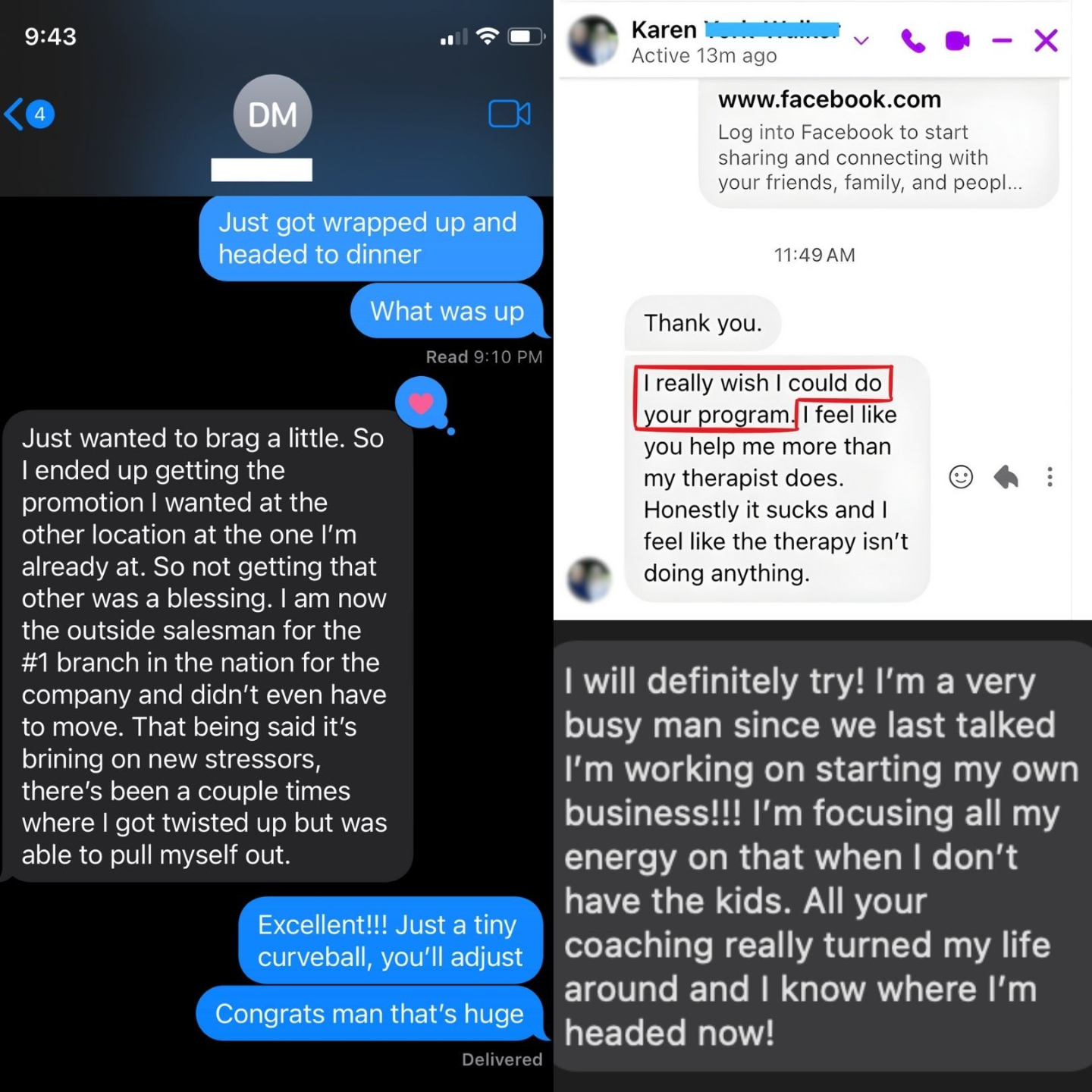
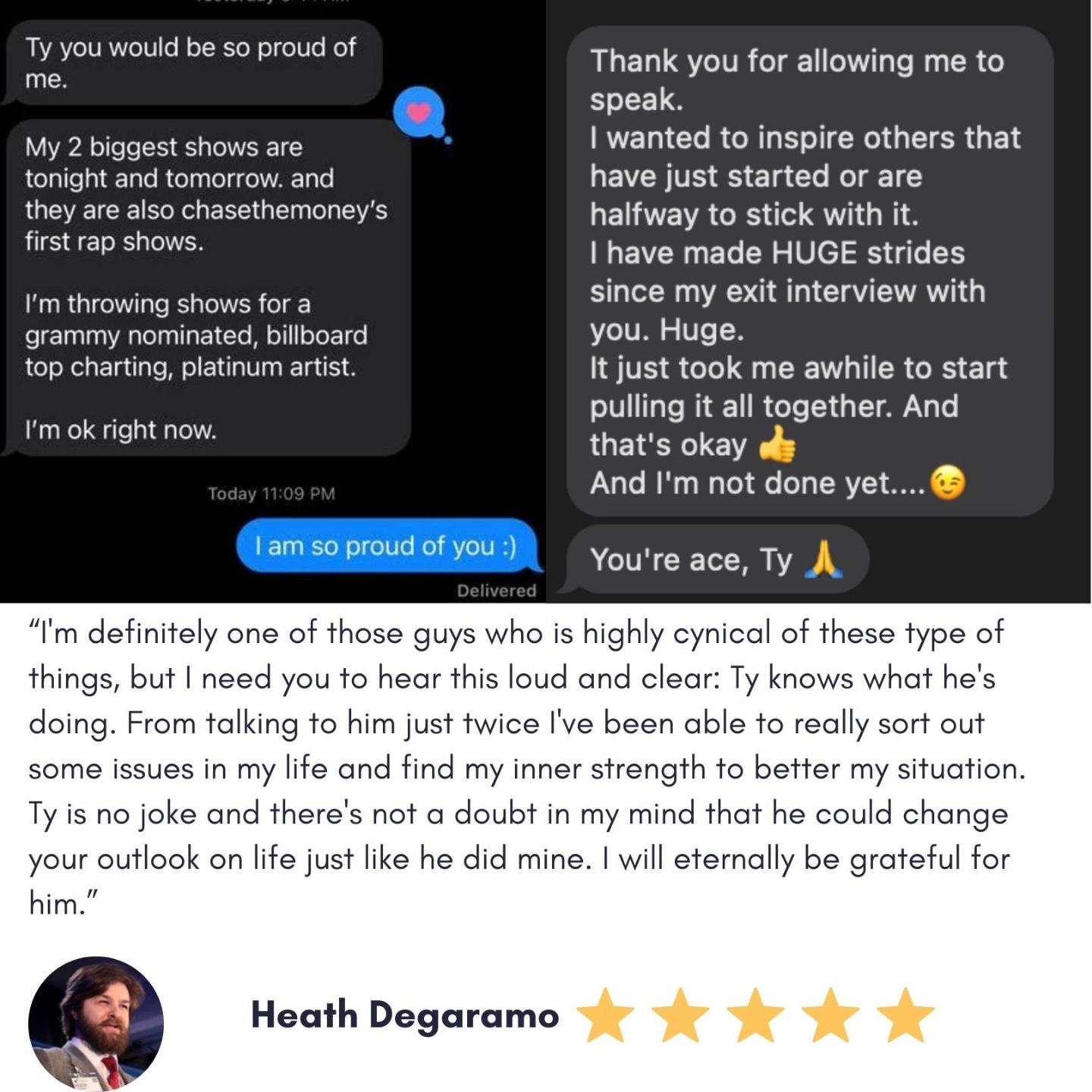
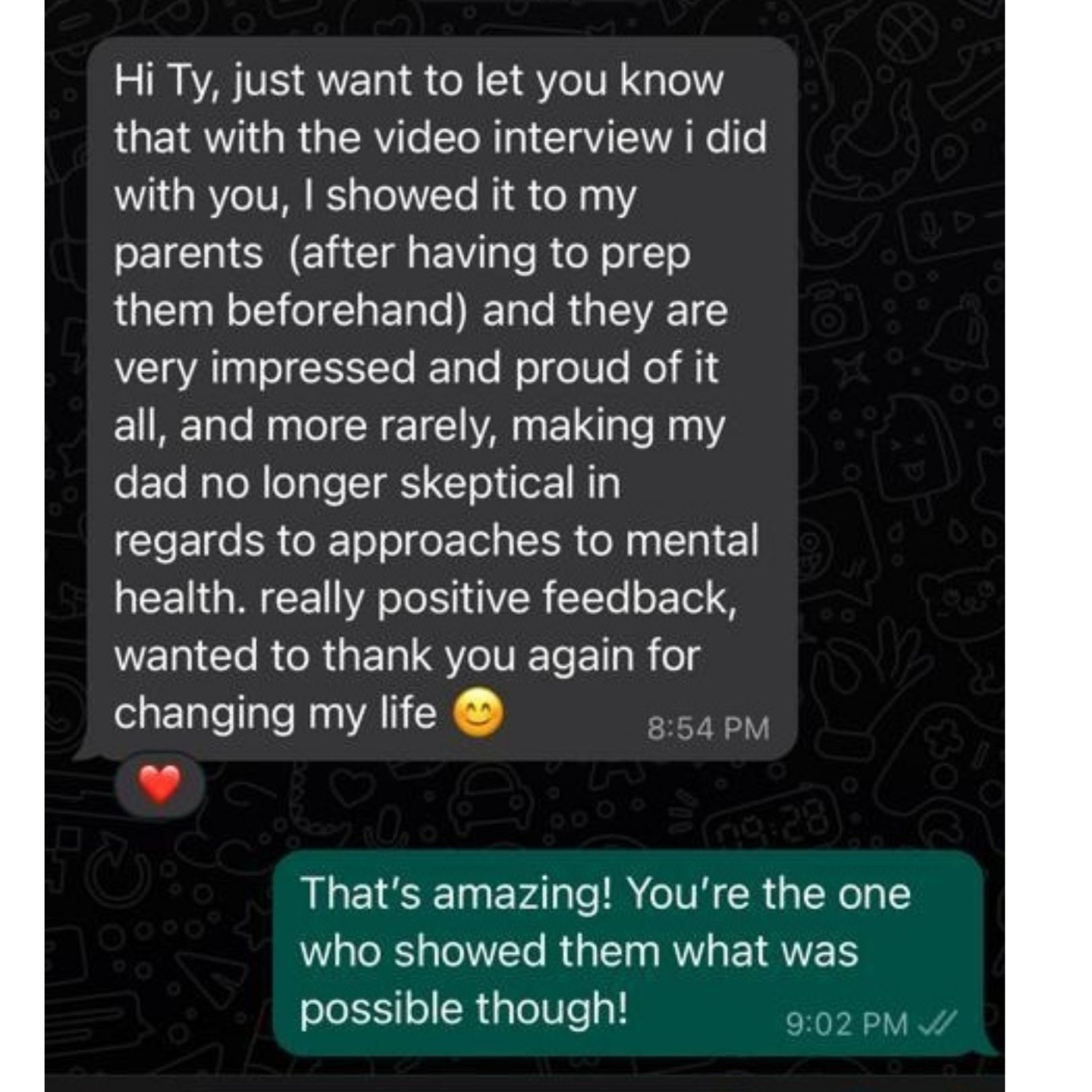
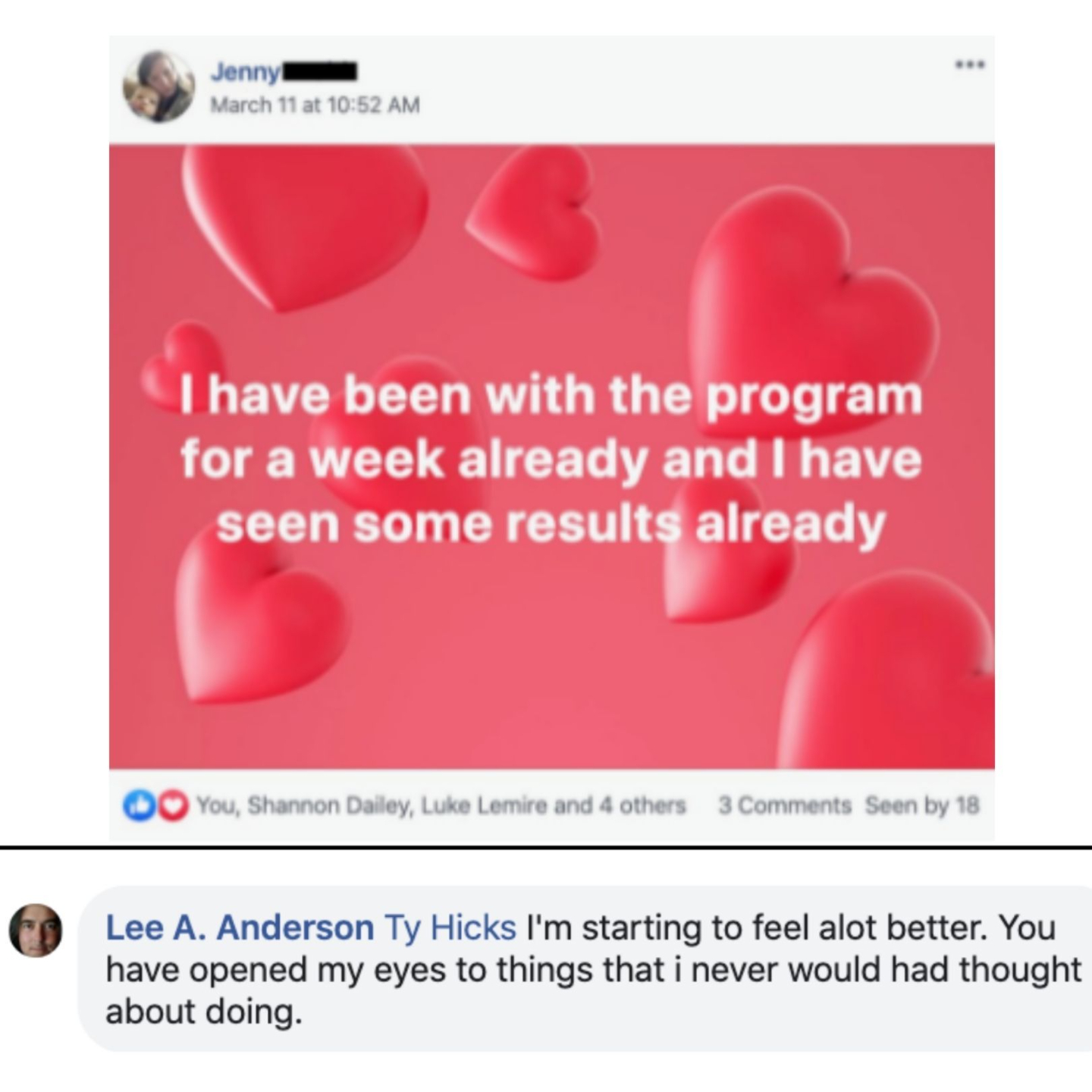
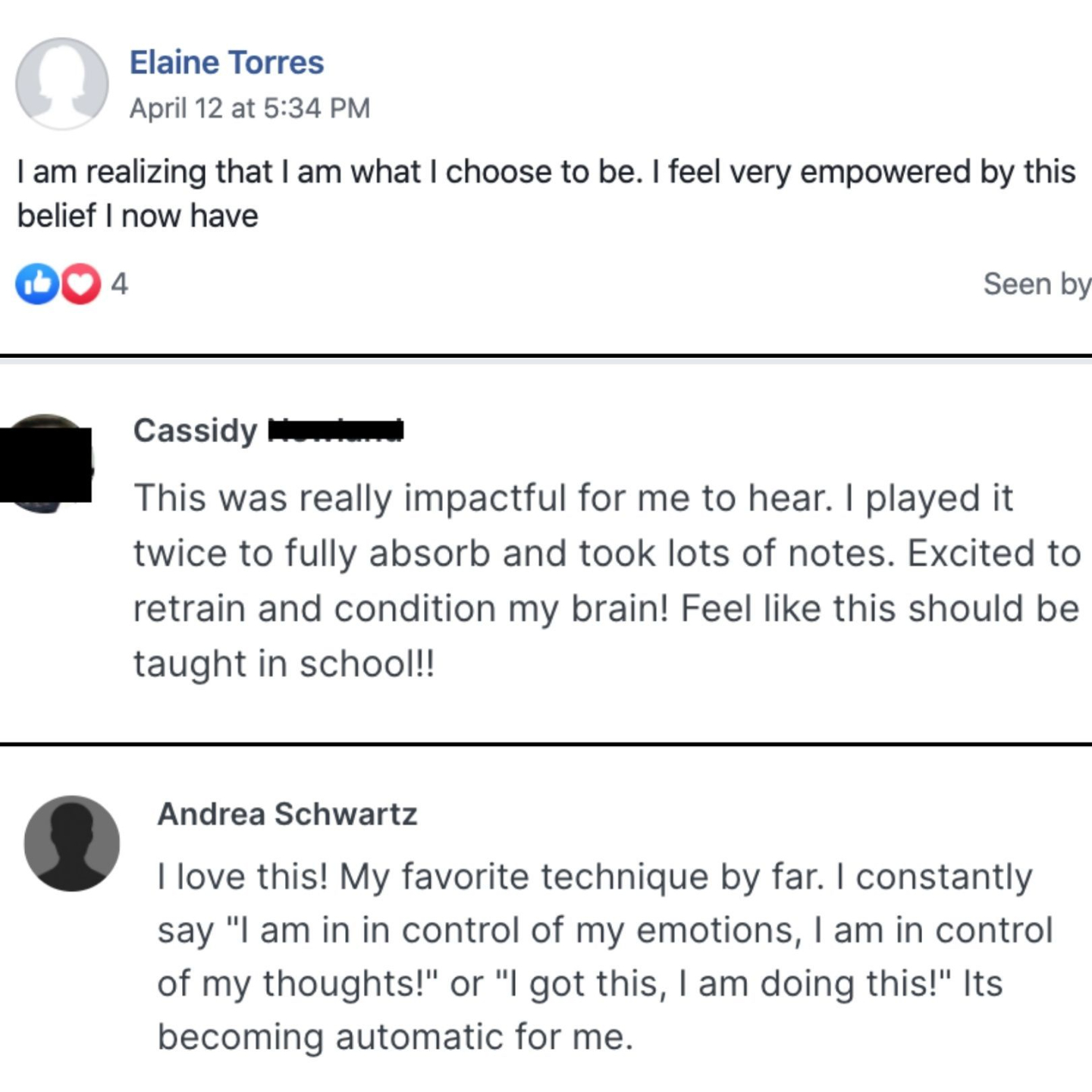
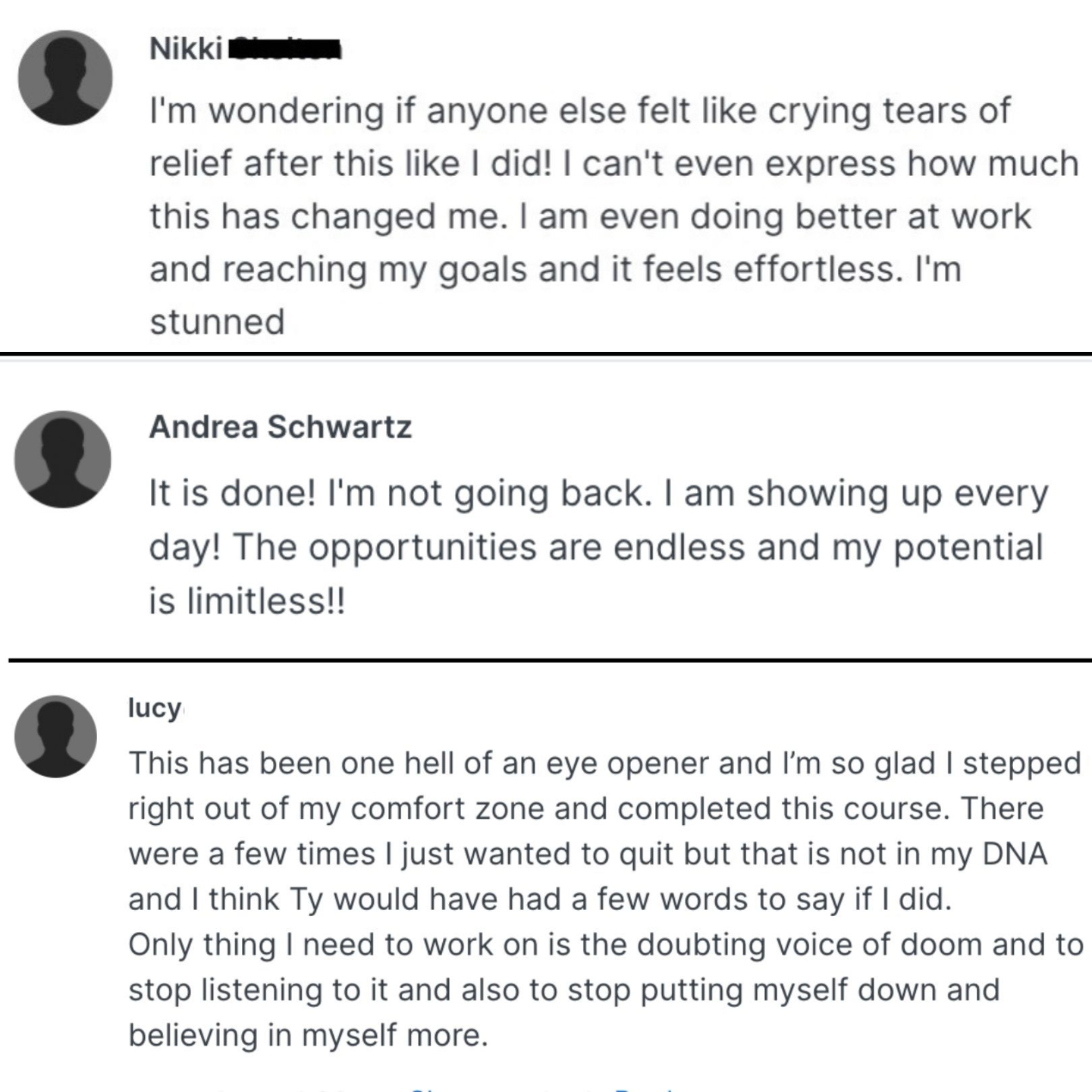
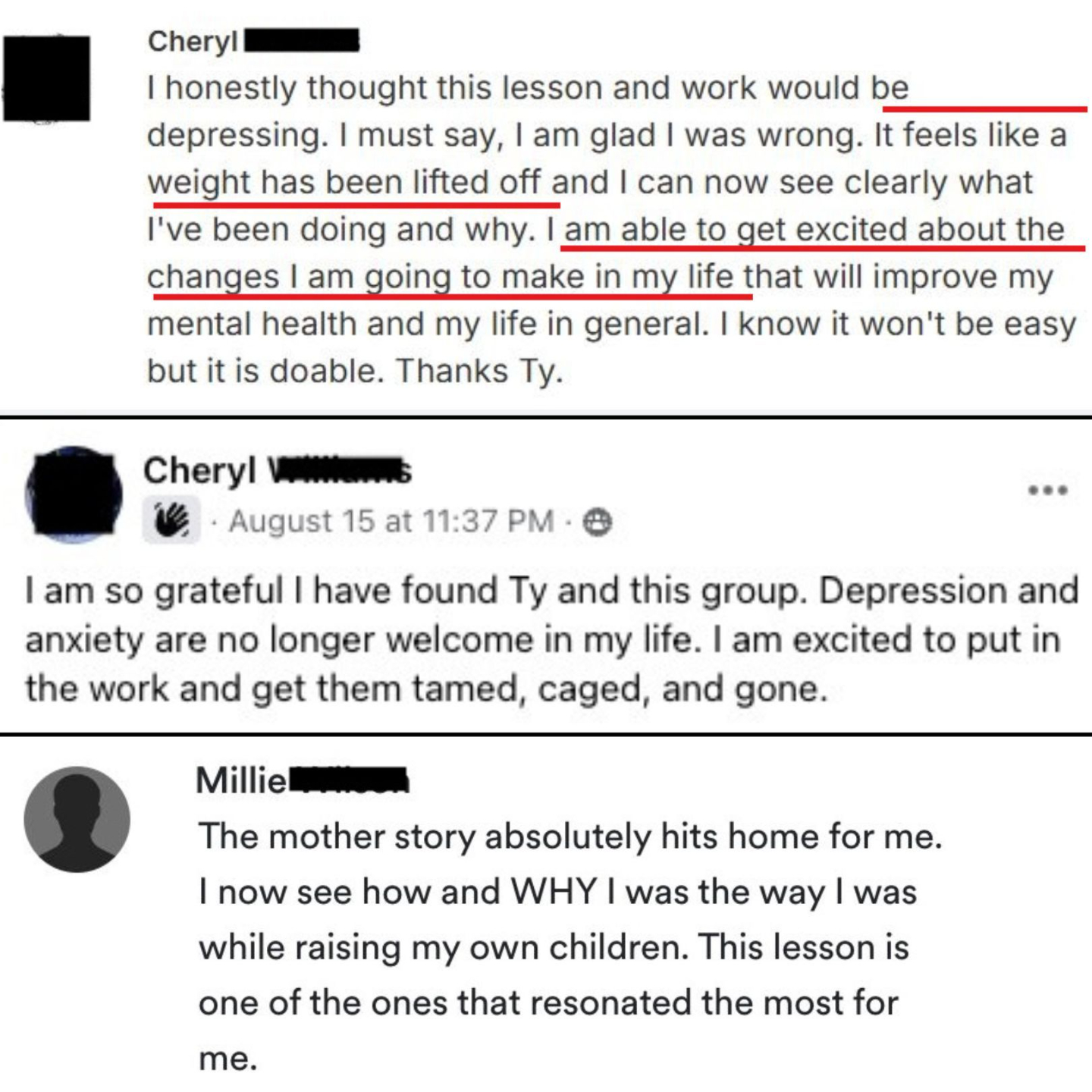
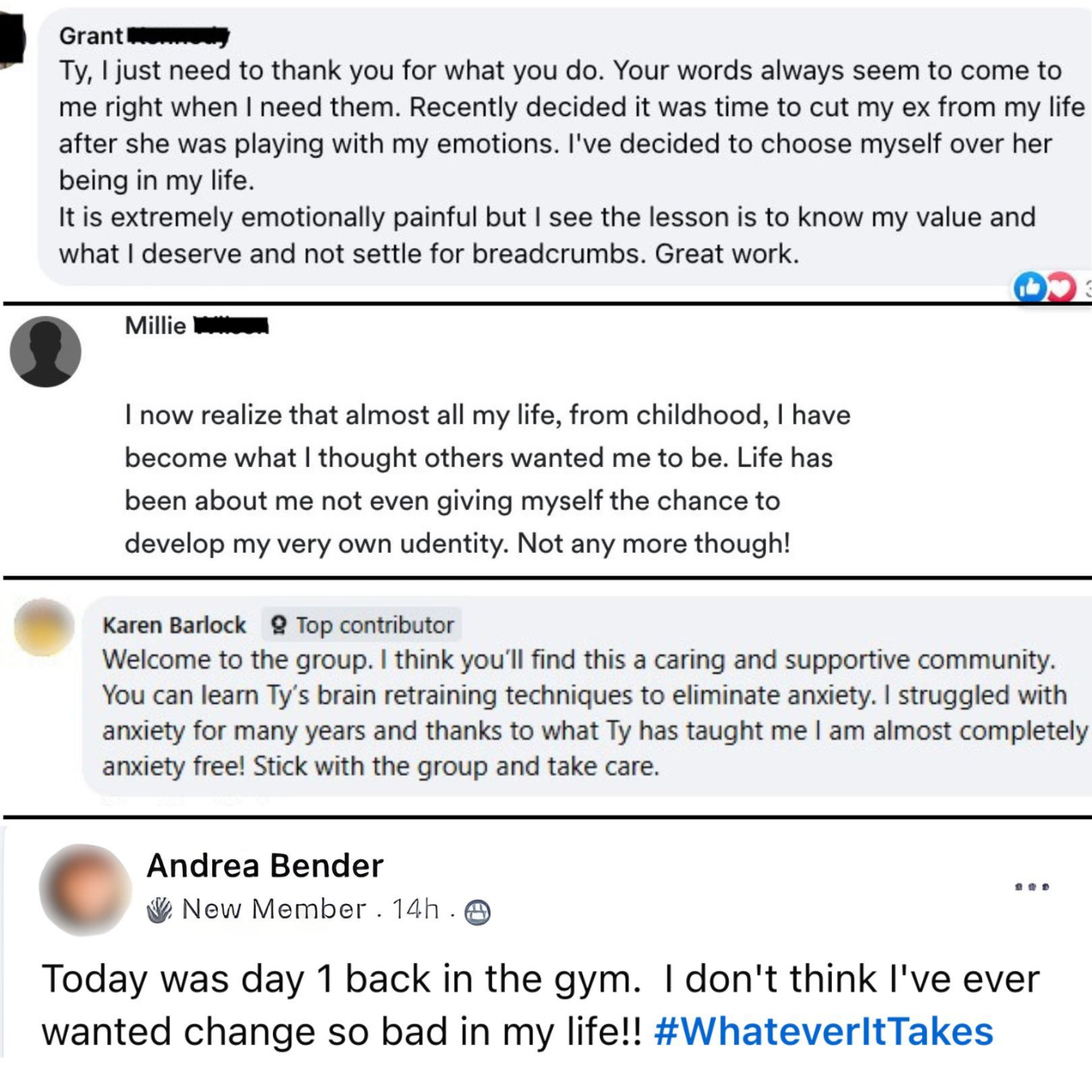
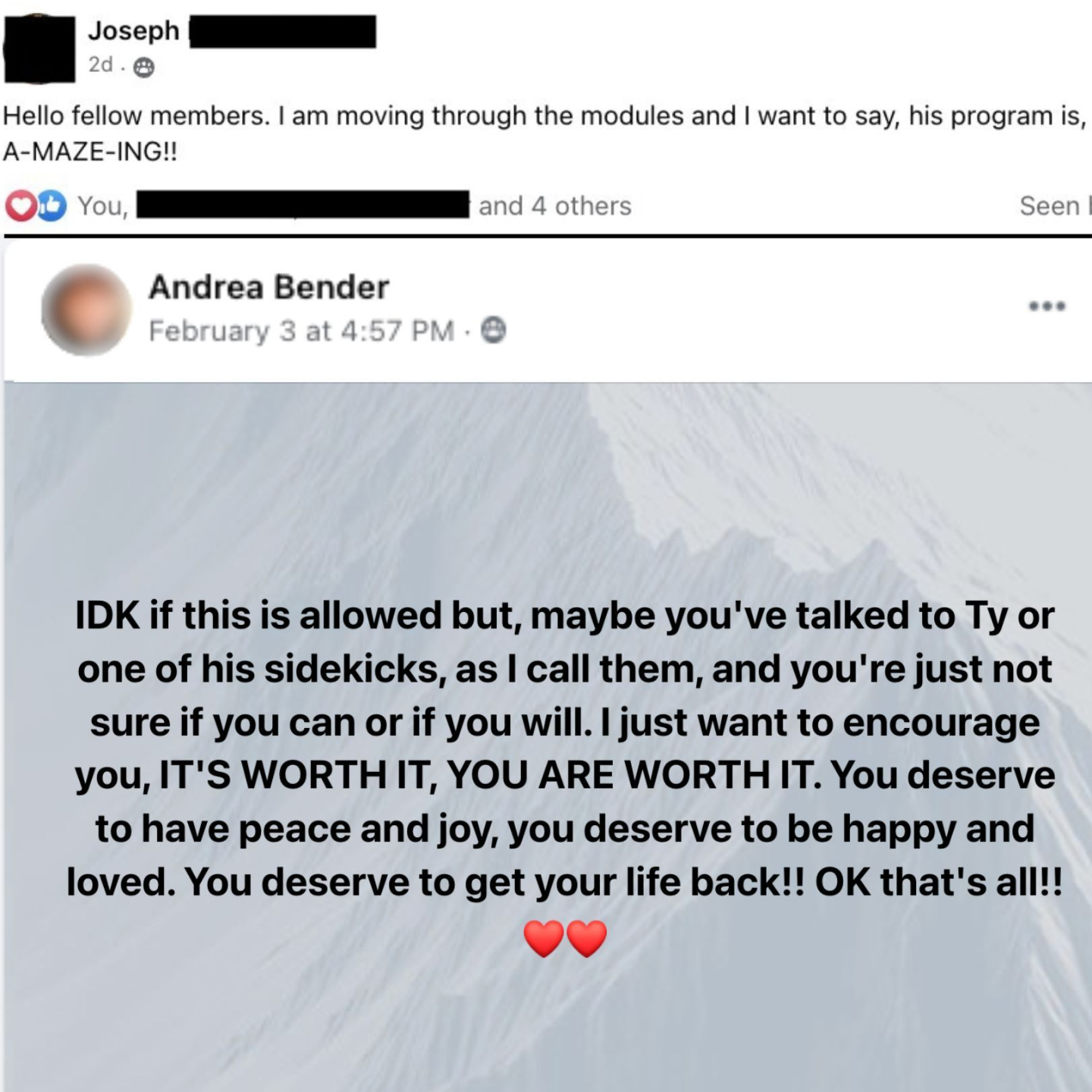
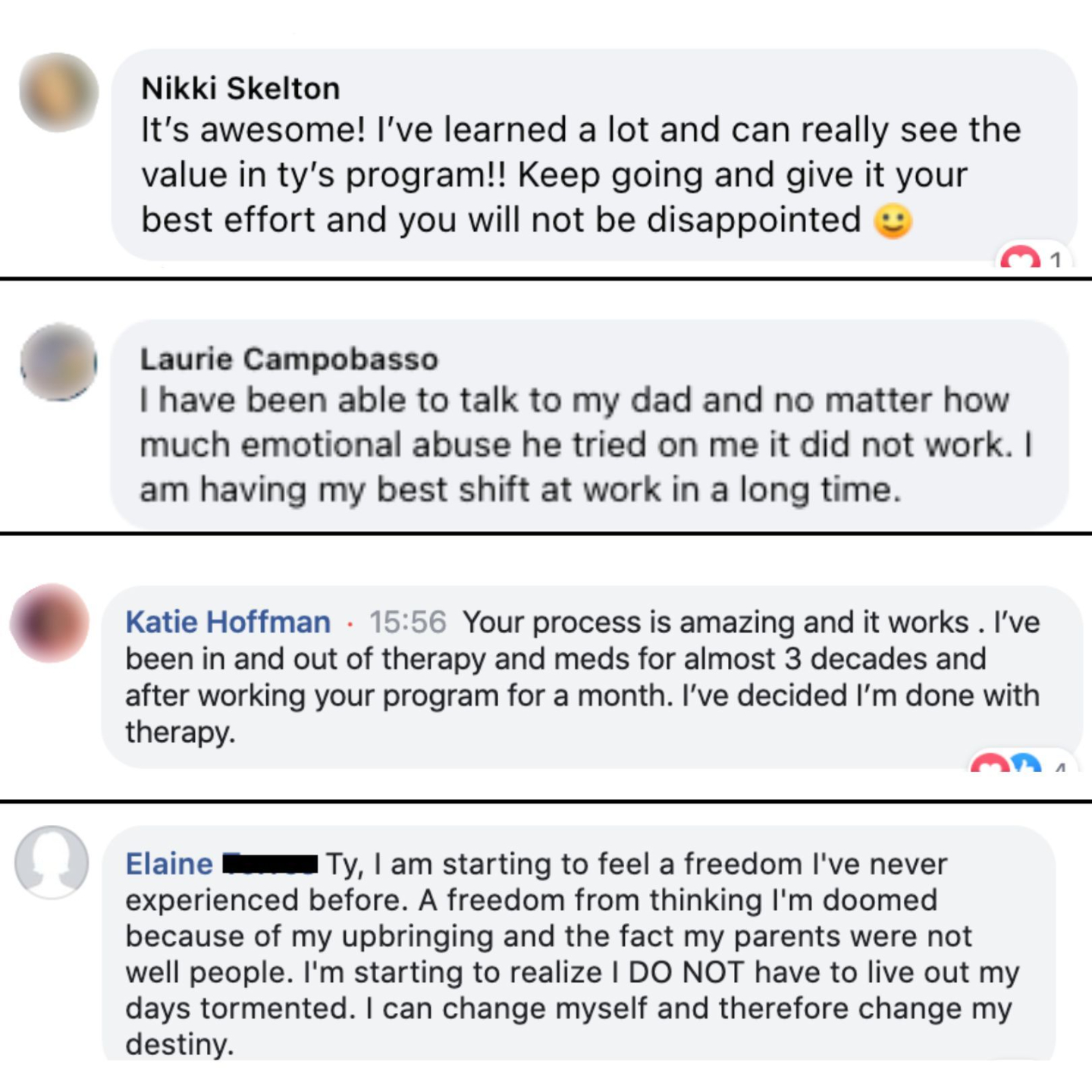
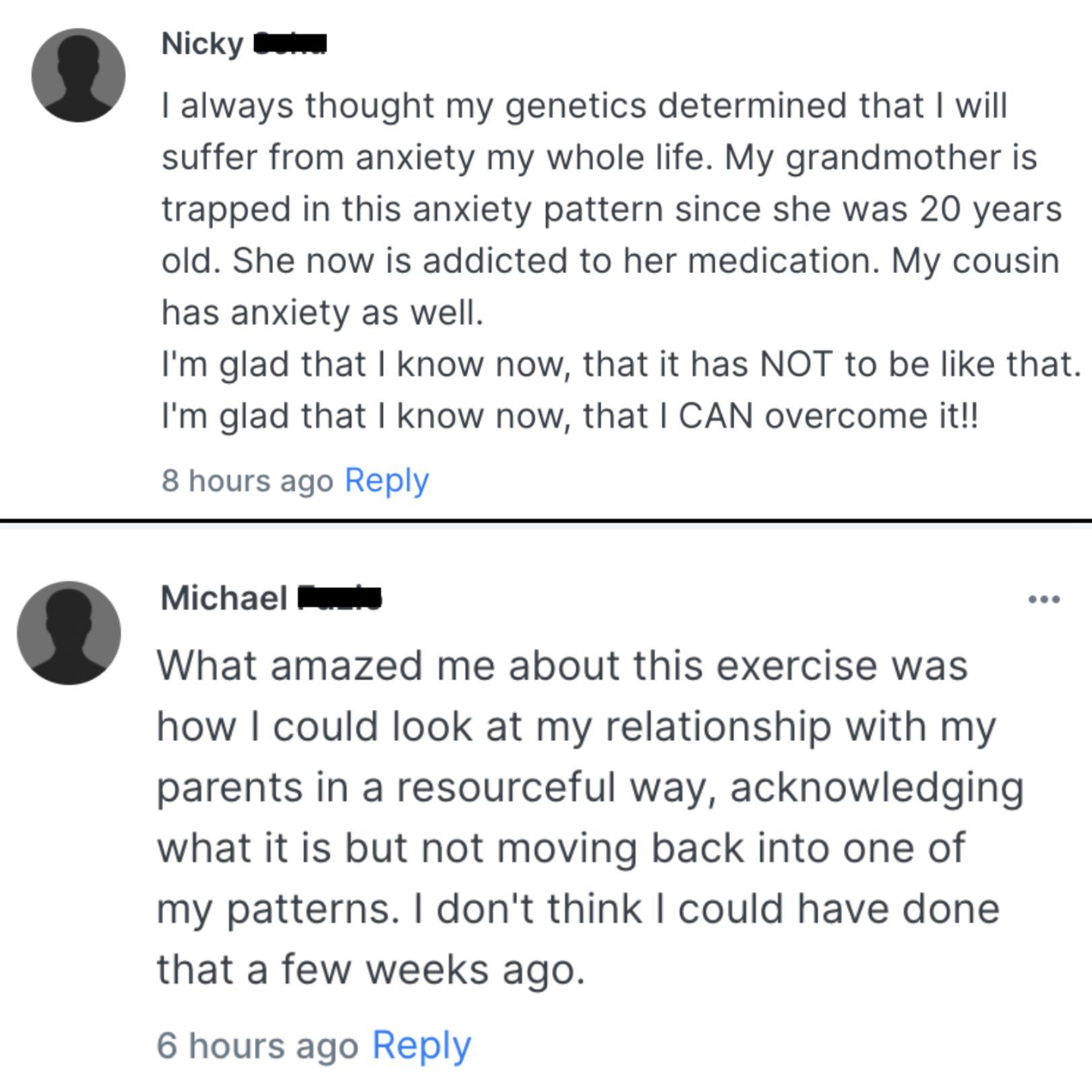
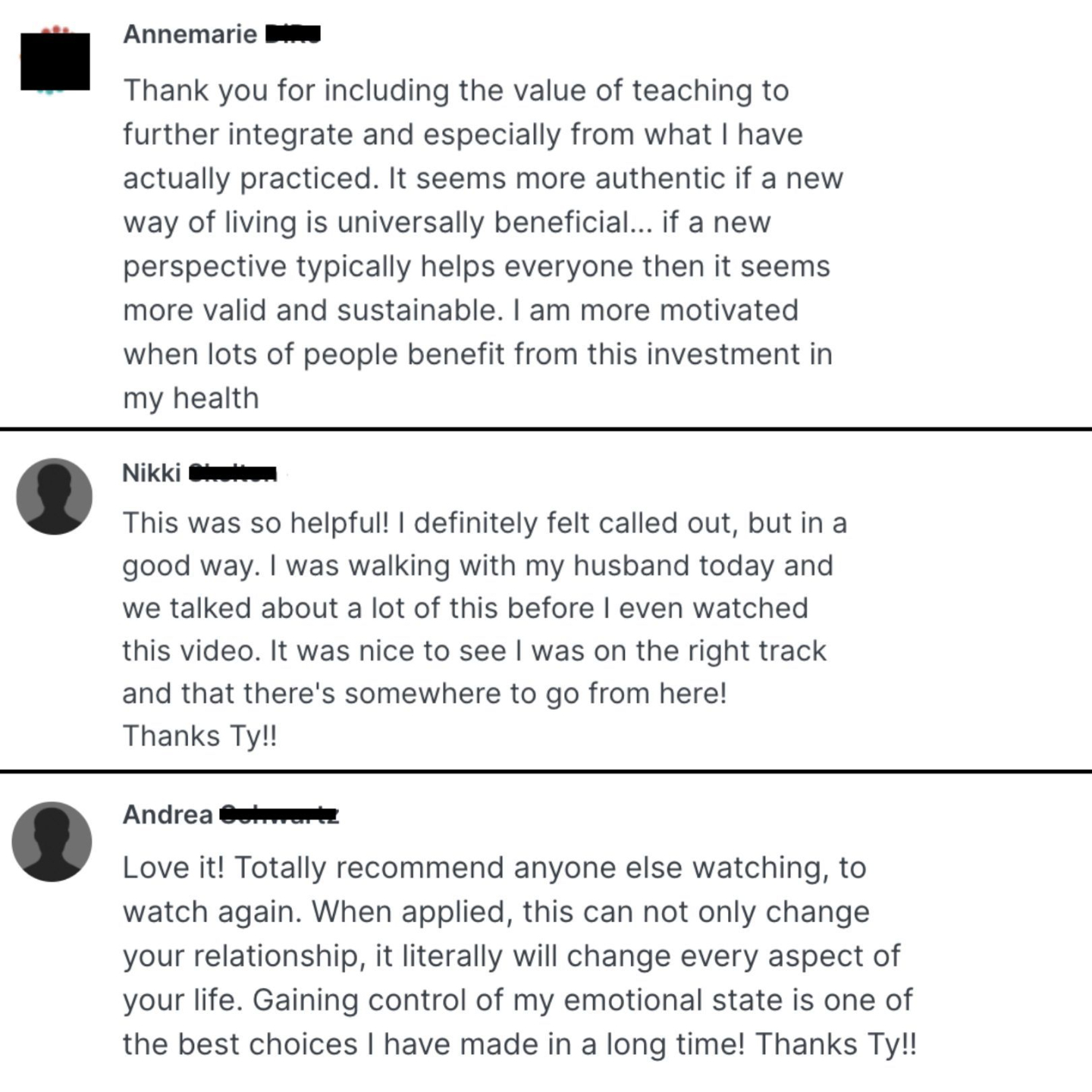
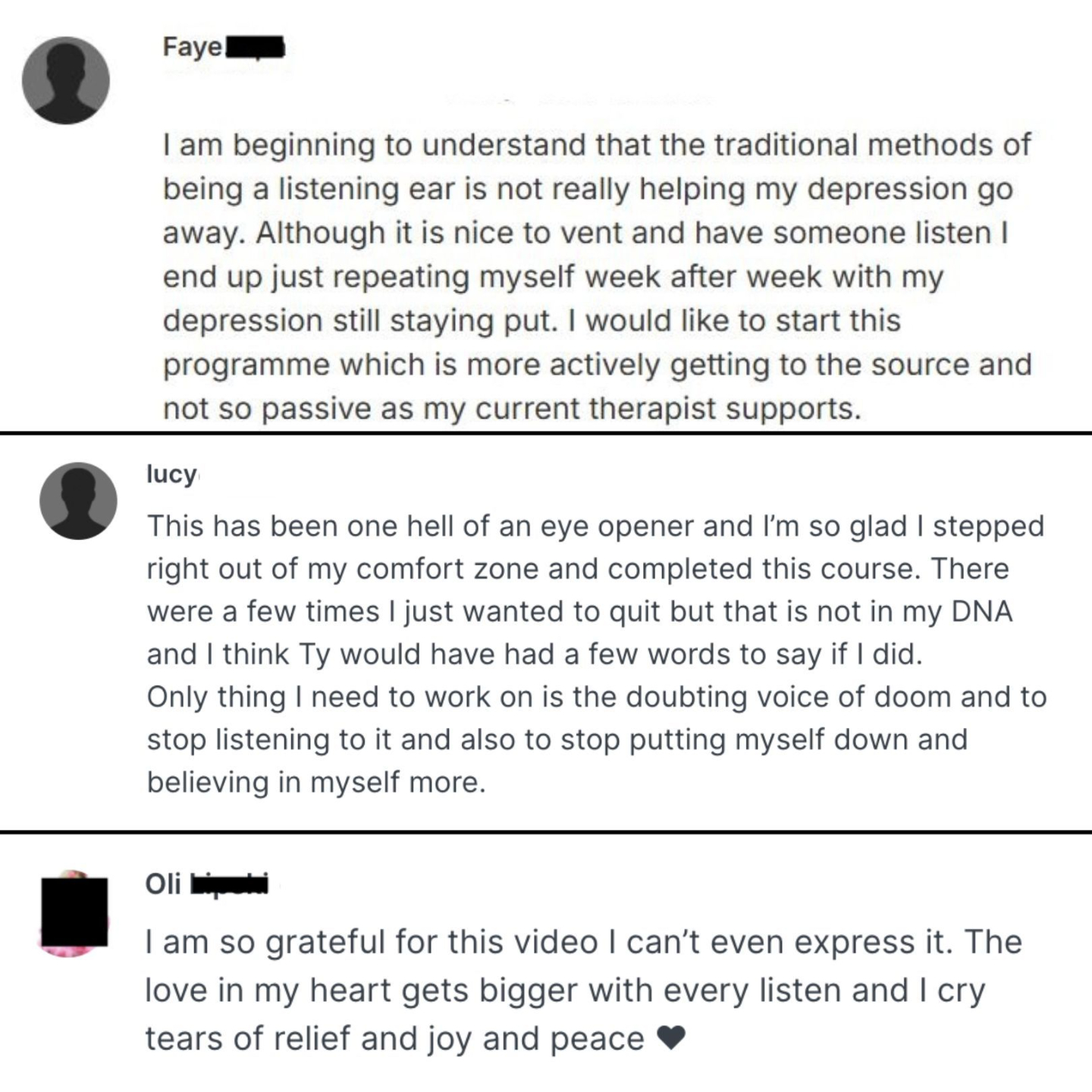
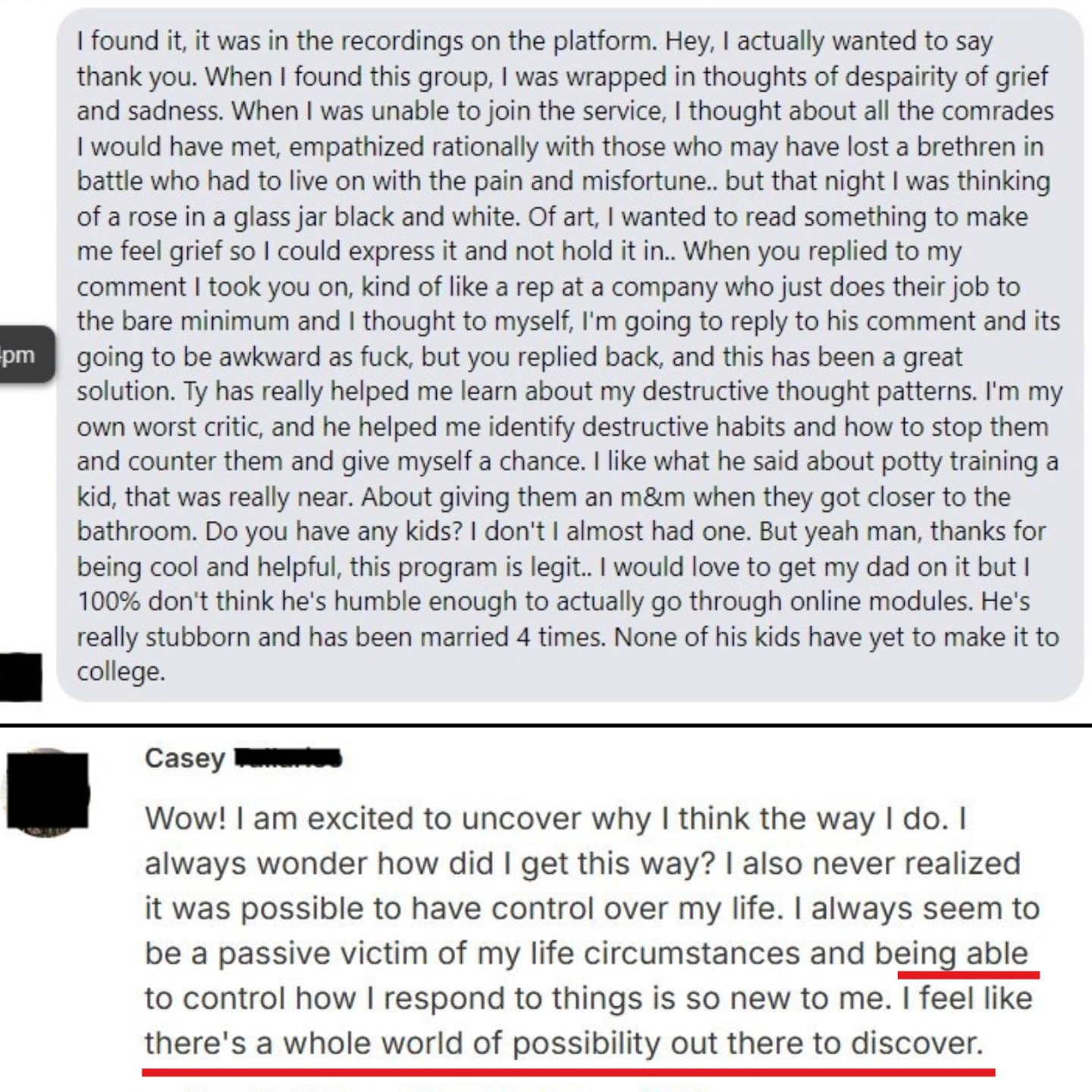
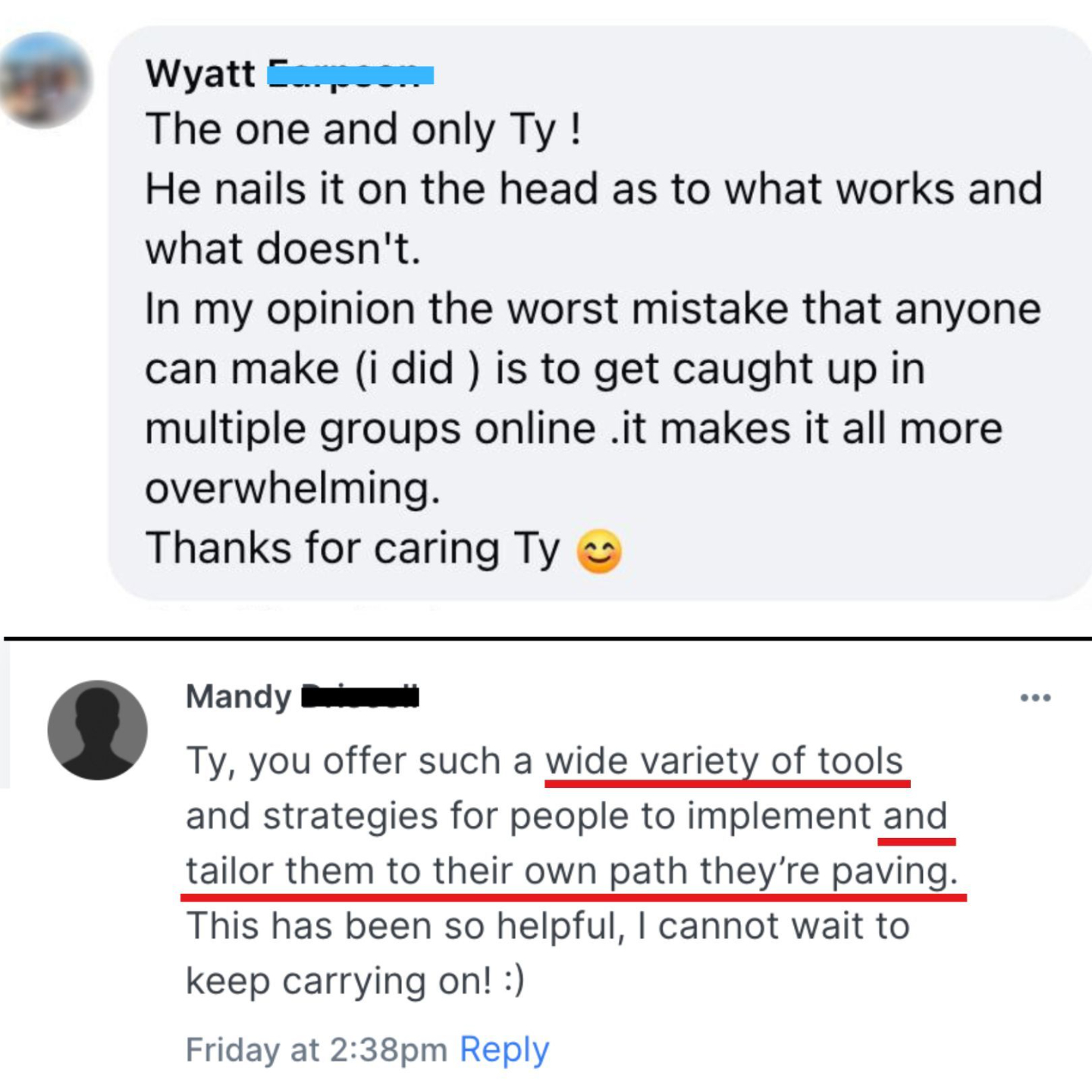
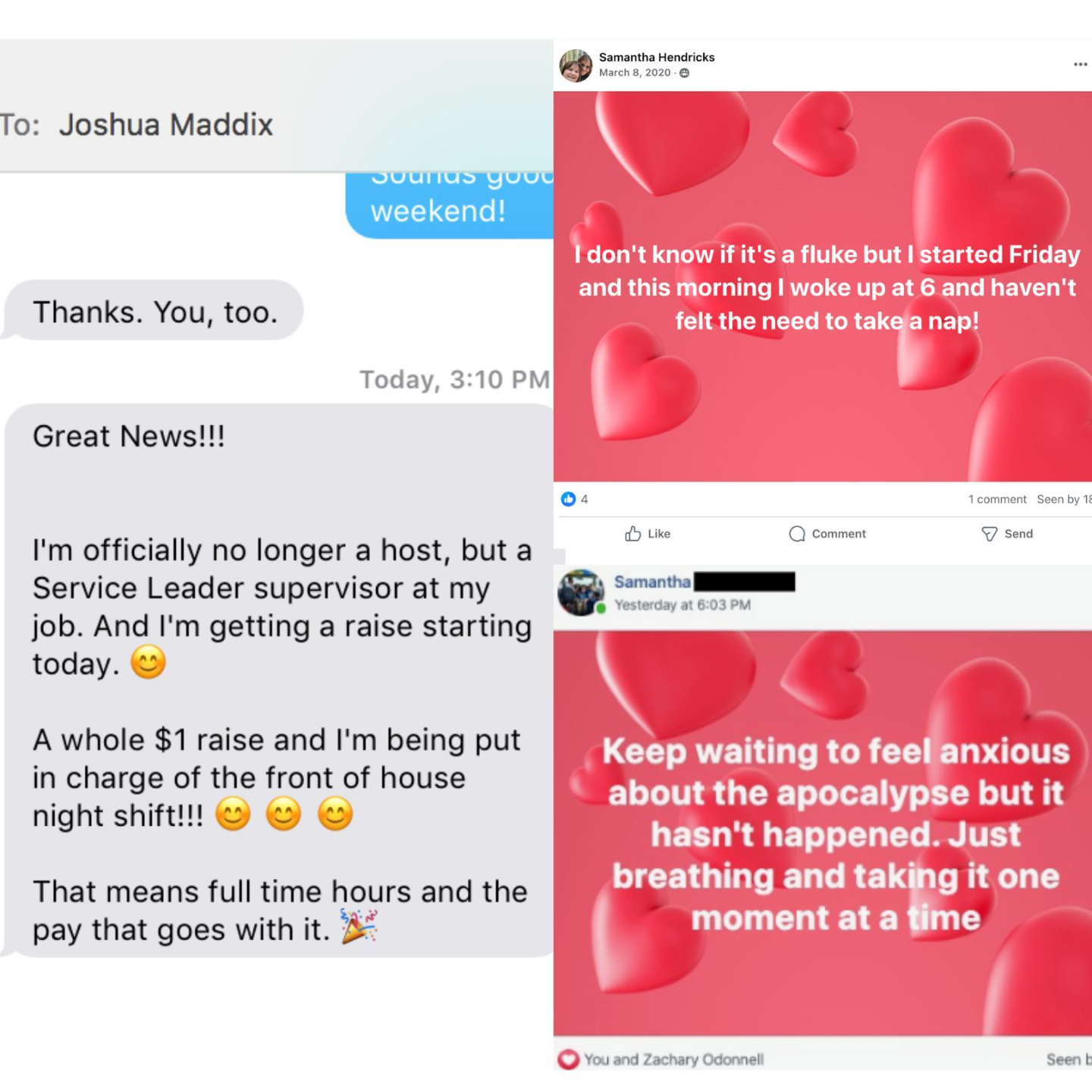
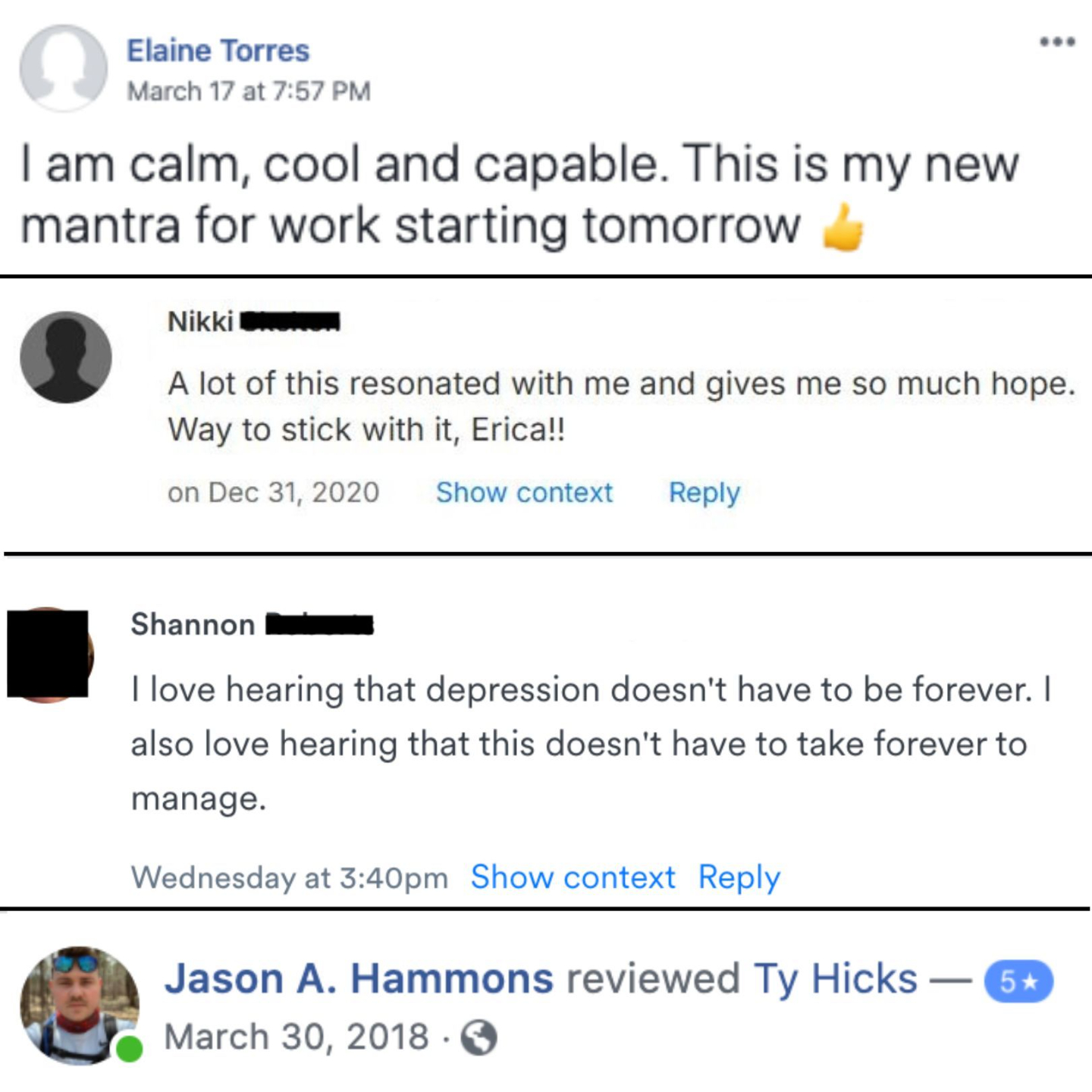
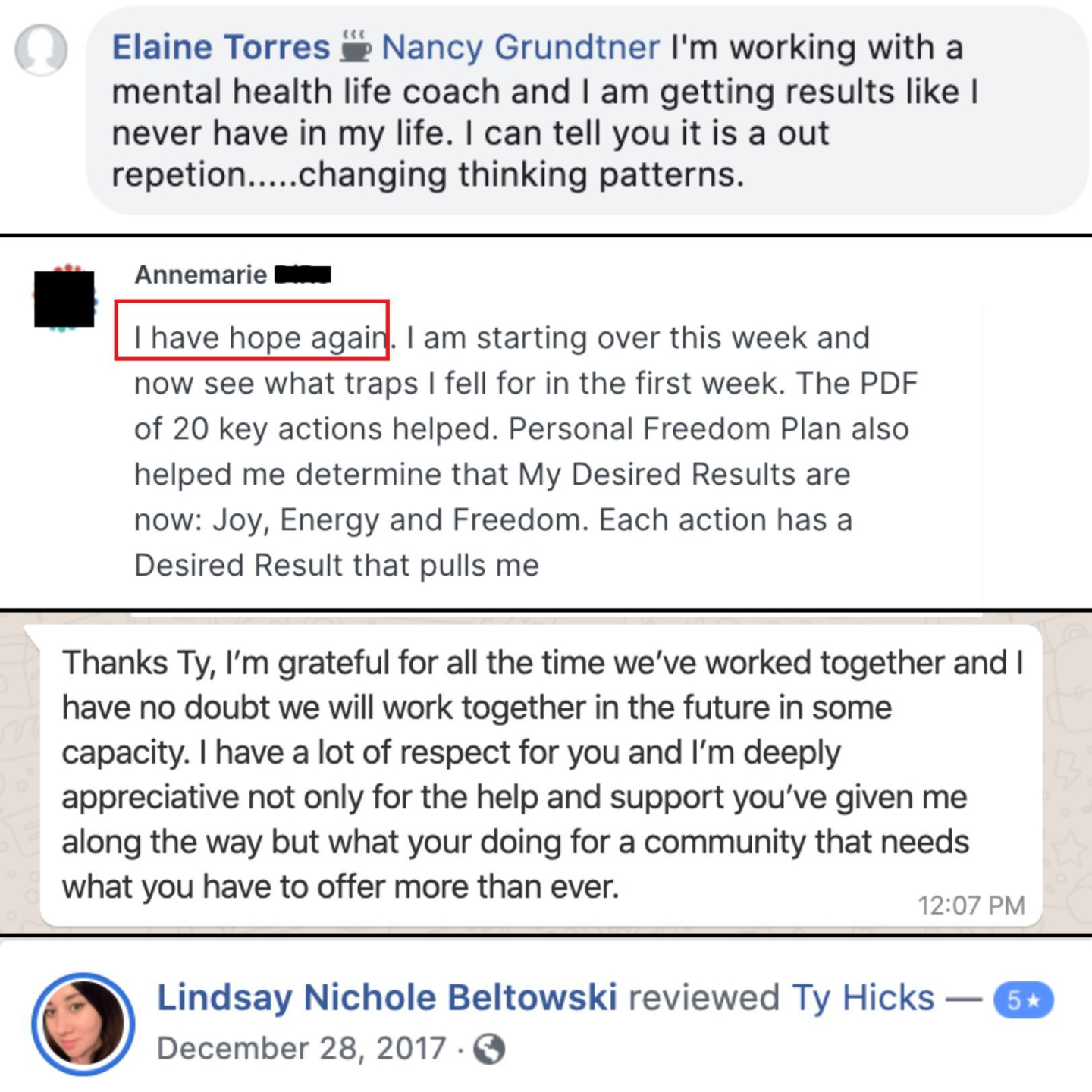
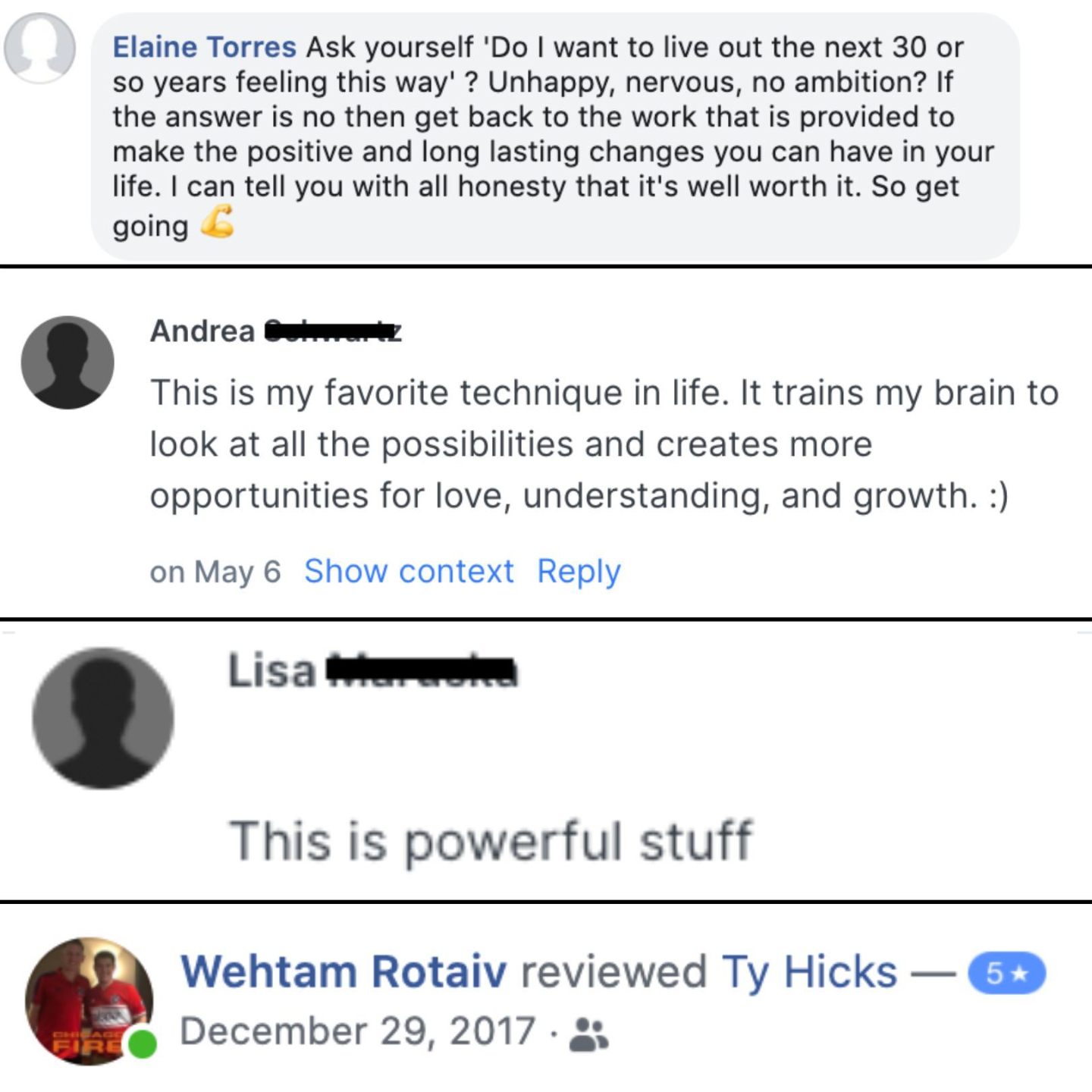
Hundreds and hundreds of honest stories from people like you.

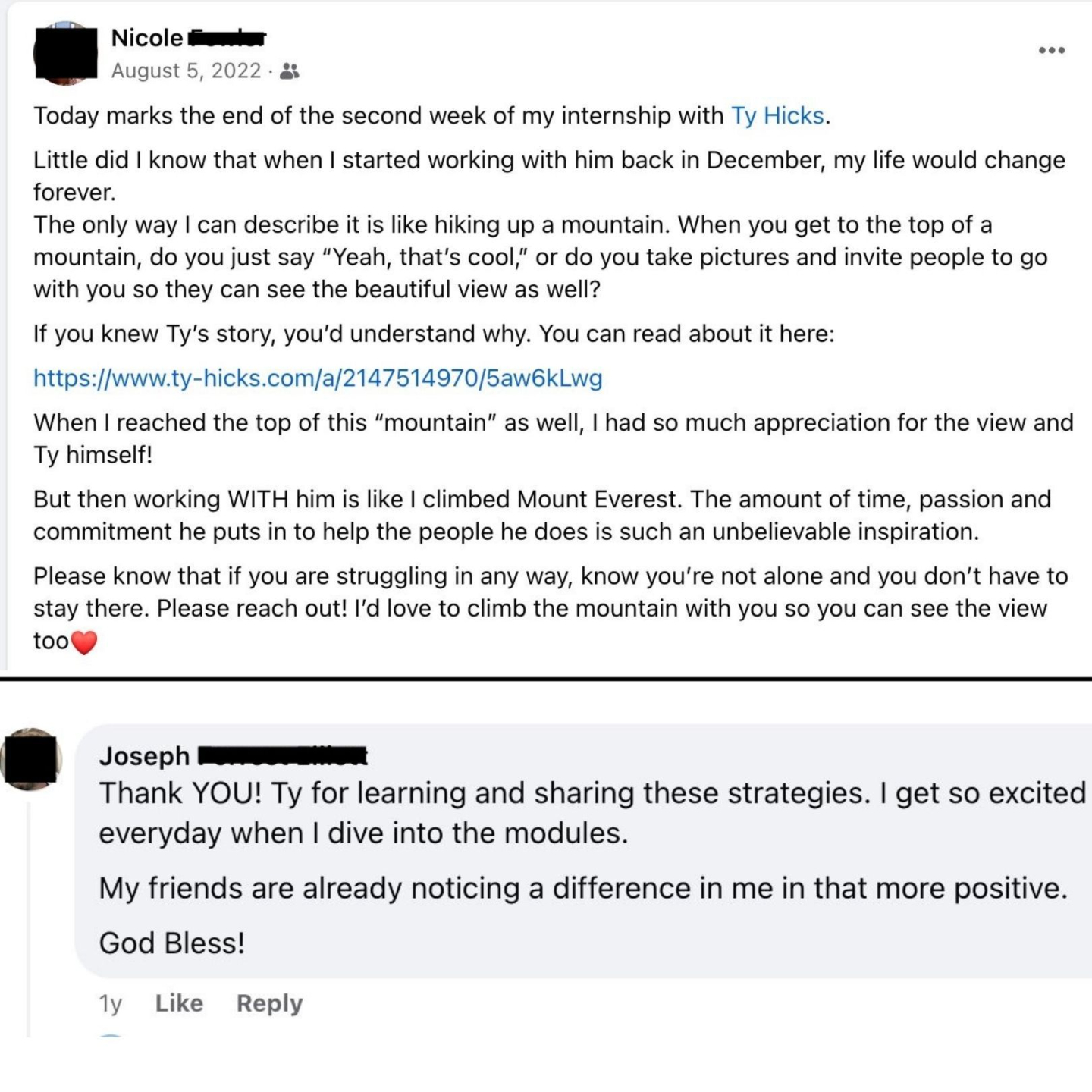
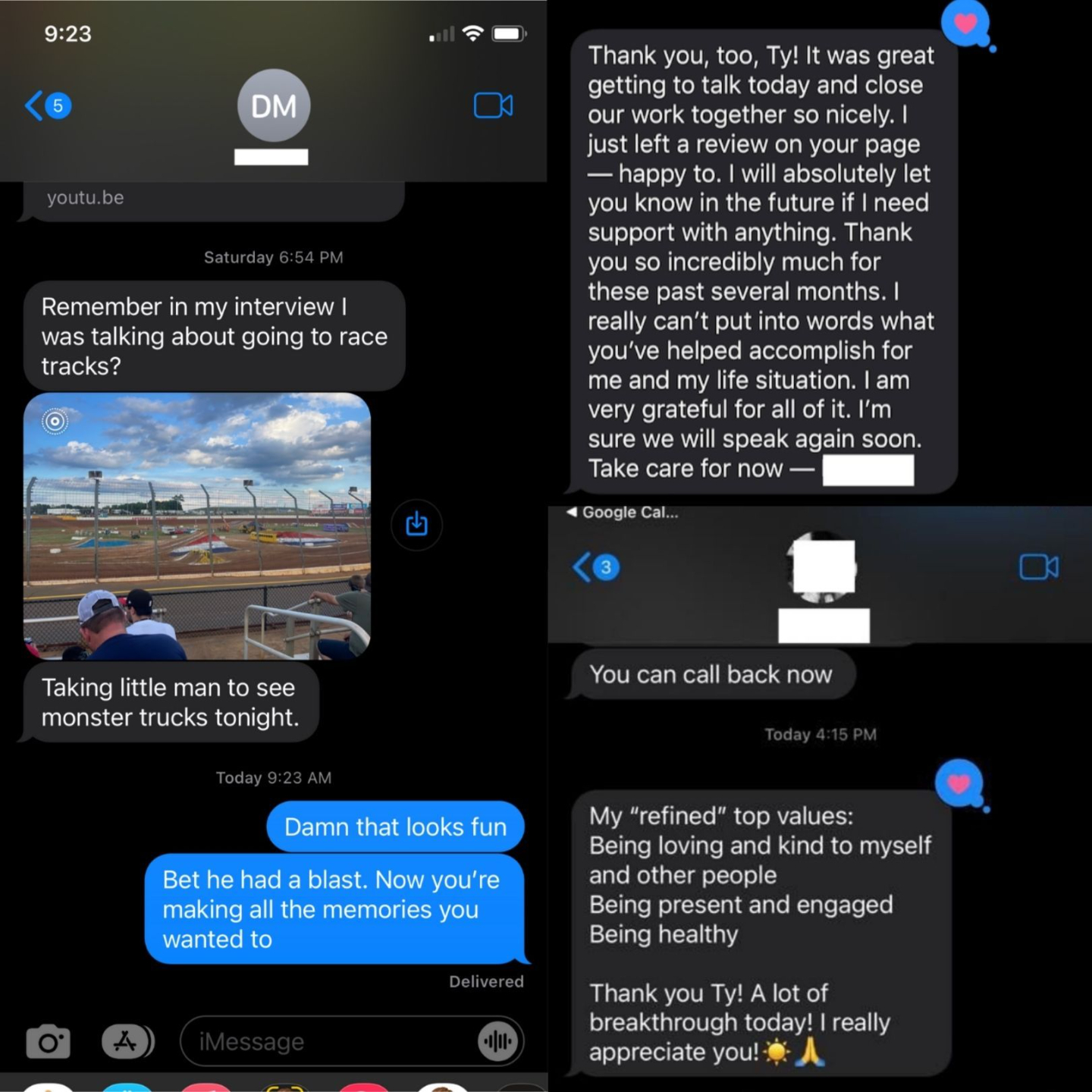
Here are just a few case studies showing what changes when we work on rewriting the rules of the game that are creating the anxiety.

612+clients helped
75%average anxiety reduction
90 daysaverage timeframe

Carrie

Before: Anxiety was making her increasingly irritable and reactive with her husband and kids. She felt like she wasn’t good enough or worthy of love, and she watched her marriage start to fall apart.

What we changed: The self-worth beliefs, subconscious rules, overreactions, and tendency to take things personally that were creating anxiety and conflict at home. She learned to stop putting her self-worth “up for negotiation” and lead with self-love instead.

After: Became calmer and far less reactive, rebuilt her connection with her husband, became more present with her kids, and started genuinely enjoying family life again.

Timeframe: 90 days of focused work.

Ben

Before: Was dealing with severe anxiety, panic attacks, depression, and eventually reached a point he describes as “rock bottom,” including becoming suicidal. He later realized many of the patterns had been conditioned for much of his life.

What we changed: The conditioned mental and emotional patterns underneath the anxiety and depression rather than only reacting to the symptoms. He learned to recognize that the way he had been thinking and feeling wasn’t simply “who he was,” but a pattern that could change.

After: Reached a point where he says that former version of himself simply isn’t who he is anymore. Most importantly for the homepage, his story provides long-term proof: he has remained free from the anxiety and depression that once dominated his life for years.

Timeframe: Long-term result maintained for years.

Haley

Before: Anxiety had made her world smaller. She stayed home most of the time, struggled to drive, relied heavily on her husband for transportation, and felt like anxiety had taken away her freedom and ability to make her own choices. She had struggled with anxiety since childhood and had been on antidepressants for about 10 years.

What we changed: The fear-of-anxiety cycle, need for certainty, and automatic thought patterns that made driving feel threatening before she even got in the car. She worked on identifying, interrupting, and replacing those patterns while learning to become more comfortable with uncertainty.

After: Reclaimed her independence and began driving freely again without the same anticipatory fear and overthinking. She became more confident, spontaneous, and comfortable making choices for herself again.
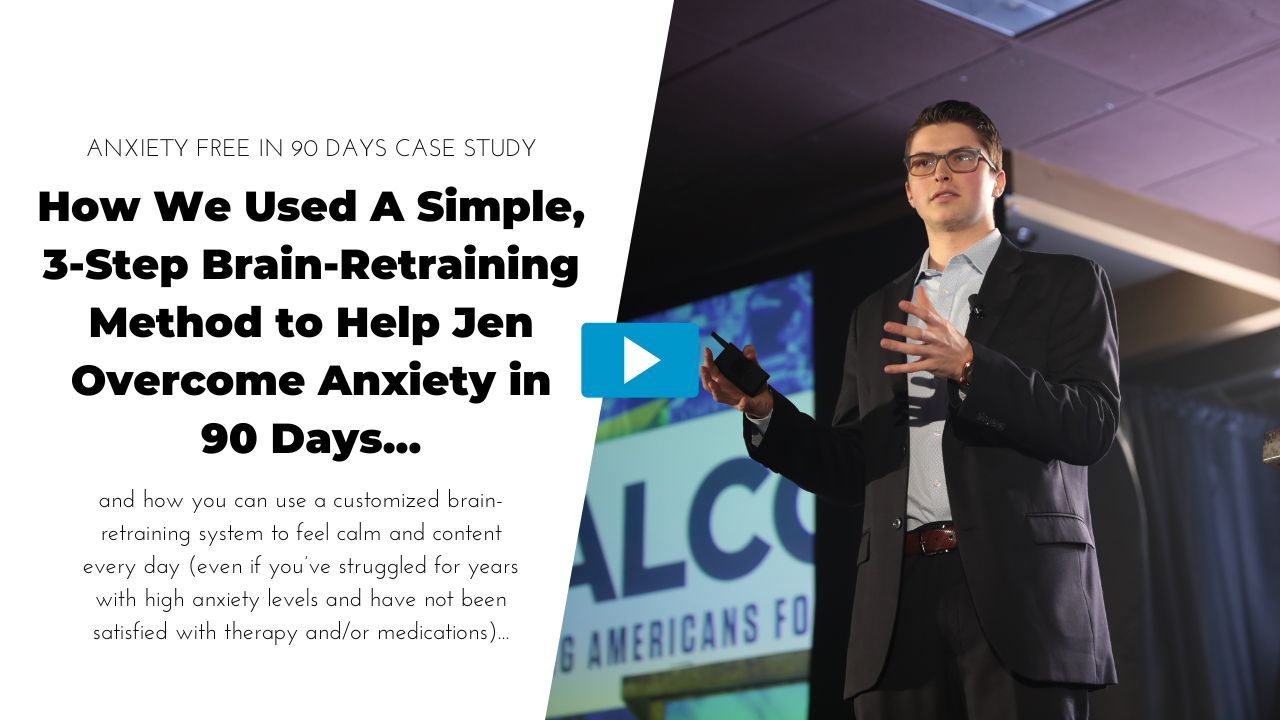
Timeframe: About 2 months of focused work.

Here's how to get started

Before we decide that we will work together, it is important that we determine that the Game of Life Rewrite Method is right for you. We also like to start a relationship out by giving you as much free value as we possibly can before we even decide that we are going to enter into a coach-and-client relationship. That's why I invite you to book a completely free, no-strings-attached 25-minute Anxiety Recovery Coaching Session.

What happens in the free 25-minute coaching session

People often tell me they got more out of the first half hour of this conversation than they got from years of traditional therapy.

Here’s how I approach it:

  • No pitch, no pressure. I’m not going to try to “close” you. The best way I can convince you I can help is by actually helping you in advance, for free.
  • We treat it like a real coaching session. For 25 minutes, I work with you the way I would with a paying client.
  • You bring what’s really going on. We’ll talk through what your anxiety looks like day-to-day, and what you’ve already tried.
  • We sketch out your subconscious Game of Life that is causing the anxiety. I’ll help you see it in plain language—the roles, rules, and patterns that have been keeping you stuck.
  • You leave with clarity. You’ll walk away with at least 2-3 clear insights about what’s actually driving your anxiety and how to start reducing it immediately.

If you feel ready to tackle the issue fully on your own at the end of that call, that's great! I will wish you well and send you on your way. It's still a win for us because you'll be more likely to refer others to use our tools in the future.

If you decide you want help mastering the Game of Life Rewrite Method, we will set up a free follow-up call to see if a coach-client relationship would be a good fit for your situation and talk through the details.

Book your free 25-minute Anxiety Recovery Coaching Session

Want to understand our method better?

Review the Game of Life Rewrite Method and see how beliefs, roles, actions, and results reinforce one another.

Review the method

Ready to get started?

Book your free session